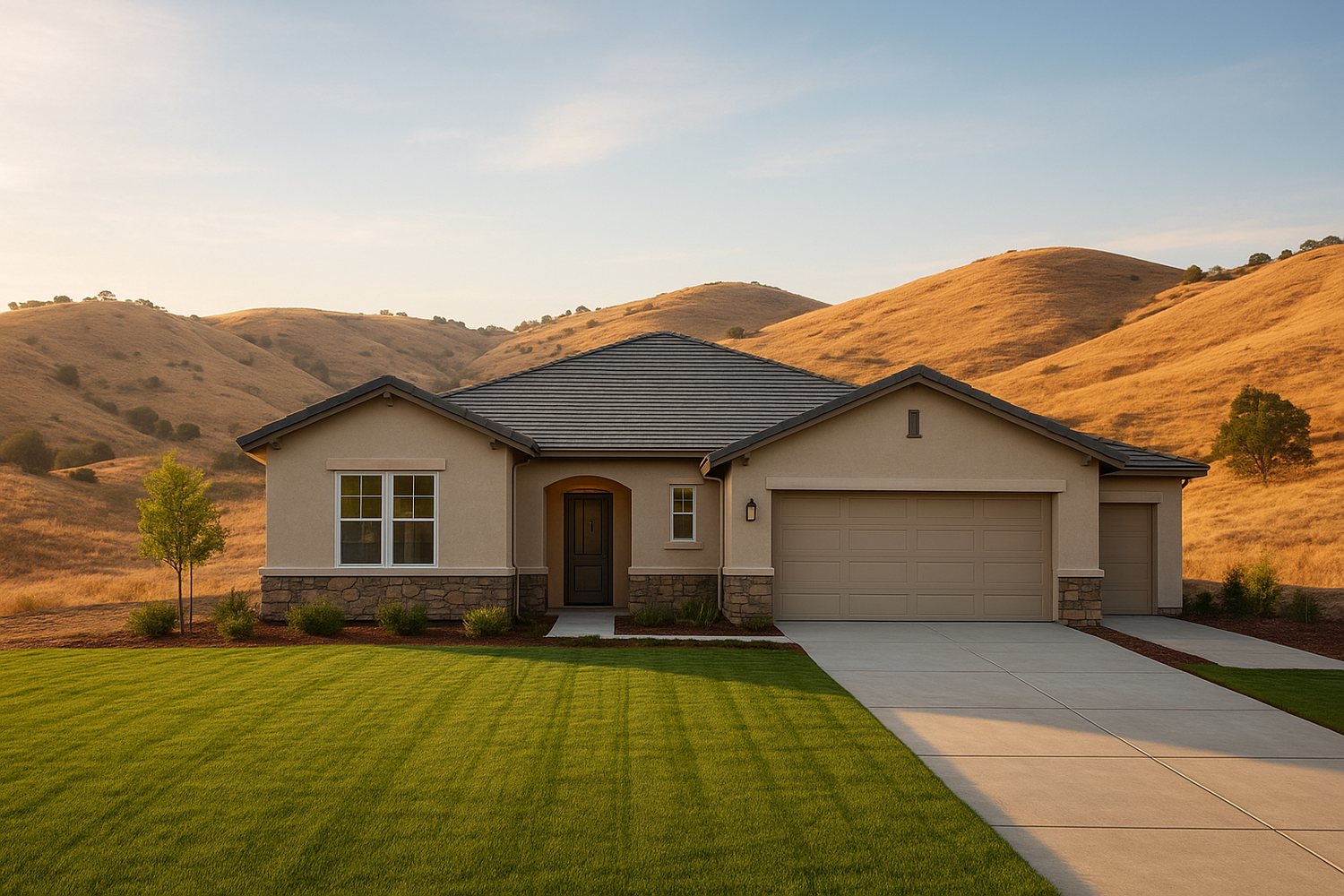
Designing with Turf and Water-Wise Plants for Real Water Savings
Explore how pairing high-quality artificial turf with water-wise planting reduces water use and maintenance while elevating landscape design in our region.
Transforming your lawn with artificial turf is a smart way to conserve water. Add water-wise planting for a landscape that’s both beautiful and practical.
Why Make the Switch from Lawn to Turf?
Water costs and drought-tolerant design needs have changed how many Placer, Sacramento, and El Dorado County homeowners think about their yards. Traditional lawns require significant irrigation, mowing, and upkeep. By converting lawn to artificial turf, you can save thousands of gallons of water annually.
Artificial turf is much more than a patch of green plastic. Today’s turf options look and feel remarkably close to natural grass, without the browning, bare patches, or mud. It’s designed for durability and low maintenance, even with active kids and pets.
Pairing turf with smart planting delivers even more benefits. Integrating turf areas with well-chosen, water-wise plants means less yard work, pleasing color and texture variety, and a truly region-appropriate landscape. Your outdoor space can thrive without draining resources.
Explore more details onLawn to turf conversion and water savingsfor informed decision-making in your landscape.
How Artificial Turf Conserves Water in Northern California
In Rocklin, Roseville, Granite Bay, and neighboring communities, outdoor water use can account for more than half of typical household demand—much of it for keeping grass alive. Artificial turf slashes that usage to practically zero.
Drought cycles are part of life in our area. Turf never needs watering, so your landscape stays green no matter how strict the restrictions become. Unlike lawn, which can easily stress or fail under mandatory cutbacks, turf is stable and reliable year-round.
Most homeowners also see a secondary water savings when they combine turf with water-wise beds and minimize or remove old, thirsty lawns altogether. The result is a visually appealing yard that reflects a commitment to conservation.
- No irrigation needed for turf areas
- Consistent appearance year-round
- Resilient during droughts and restrictions
Pairing Turf with Water-Wise Planting: Design Essentials
A well-designed yard uses turf as part of the overall palette, not as the whole picture. Strategic placement of turf patches—such as play areas, putting greens, or gathering spots—lets you anchor your design where it brings the most value.
Surround these turf zones with carefully selected plants that sip, rather than gulp, water. Think of groupings of native grasses, manzanita, deer grass, or blooming shrubs like ceanothus and salvia, which thrive in local soil and climate.
The key is transitions: blend the tidy look of turf with the natural forms and colors of water-wise plants for an inviting, layered landscape. Use mulch or stone between beds and turf to add contrast, keep weeds down, and further cut water needs.
- Define turf areas for function and impact
- Cluster drought-tolerant plants for easy care
- Add mulch or stone for style and weed control
Selecting Water-Wise Plants That Thrive with Turf
Local nurseries offer a great variety of plants adapted for low-water landscapes. Start by identifying sun and shade patterns, then choose plants that naturally thrive in those conditions. This ensures your new beds will establish quickly and need minimal irrigation beyond the first season.
Favorite picks for homeowners from Auburn to Folsom include rosemary, lavender, agave, California fuchsia, and native bunchgrasses. These pair beautifully with turf’s clean lines, softening the edges and introducing seasonal blooms or foliage color.
Mix heights and textures for visual interest. Taller accent plants or ornamental trees—placed with room to grow—frame turf areas and create shade, while groundcovers and smaller perennials fill in around edges for a cohesive, finished look.
- Select plants with similar low-water needs
- Use native and Mediterranean species
- Layer plants by height for structure
Practical Tips for a Seamless Turf and Planting Design
Keep maintenance in mind as you design. Use border materials like concrete curbing or natural stone to define edges between turf and beds—this keeps mulch, gravel, and soil in place, and makes mowing or cleaning a breeze.
Consider irrigation needs for planted beds during the establishment period. Drip irrigation is efficient and easy to tailor for new zones and can be adjusted or reduced once plants are mature.
Plan walkways or stepping stones between turf and plantings so guests (and pets) have clear paths without trampling delicate beds. This not only protects your plants but also creates intentional movement and flow throughout your yard.
- Use curbs or edging for tidiness
- Choose drip irrigation for beds
- Add paths or stepping stones to guide movement
| Feature | Artificial Turf | Water-Wise Planting | Combined Approach |
|---|---|---|---|
| Water Use | None (after install) | Low | Lowest overall |
| Maintenance | Minimal | Seasonal | Very low |
| Appearance | Consistent year-round | Seasonal change | Best of both |
| Wildlife Value | None | Supports pollinators | Supports pollinators |
| Design Flexibility | High for function | High for color/texture | Maximum choice |
See all availableArtificial Turf optionsto compare looks and performance for every style.
Artificial Turf and Water-Wise Planting: A Side-by-Side Comparison
When weighing your options, consider how artificial turf and water-wise planting each contribute to beauty and resource savings. Here’s a straightforward look at their main differences and how they can complement each other.
While turf offers immediate, evergreen coverage and zero irrigation, water-wise plants give dynamic color, pollinator support, and shifting seasonal interest. Both have clear advantages for design flexibility and water use.
Combining the two—instead of choosing one or the other—is often the best move for our climate: balance, variety, and a reliable, low-maintenance result.
Executing Your Lawn-to-Turf Conversion Project
Success starts with careful planning. Measure your existing lawn and identify which areas get used most. Prioritize those for turf, and visualize surrounding spaces for new planting beds or secondary uses like seating or play zones.
Work with a team that understands both hardscape and softscape needs. Installation should include proper turf base, bed preparation, and professional-grade materials to ensure durability and a clean finish.
Clear communication and attention to detail make a difference. Outline your goals, budget comfort, preferred plant palette, and any site-specific challenges so everyone is on the same page—saving time and money during the install.
- Plan turf location for optimal use
- Use quality base materials for turf installation
- Coordinate design elements from start to finish
Ready to Take the Next Step?
If you’re considering a transformation for your outdoor space, focus on the blend: premium turf plus regionally appropriate, water-wise beds. Your investment will pay off every time you look out the window—or open your water bill.
Reach out for experienced support from a team that understands the unique challenges of Northern California landscapes and the range of available materials. The right advice and execution make the process smooth and satisfying.
A practical, attractive, low-water yard isn’t out of reach—it just takes thoughtful planning and the right partner to bring your vision to life.
Ready to get specific?Request a consultationto talk through your yard’s possibilities.
Planning an artificial turf project?
Call or text 916-741-0633, or email sales@californiahardscapes.com with your address, a short description and a few photos, and we will arrange a consultation.