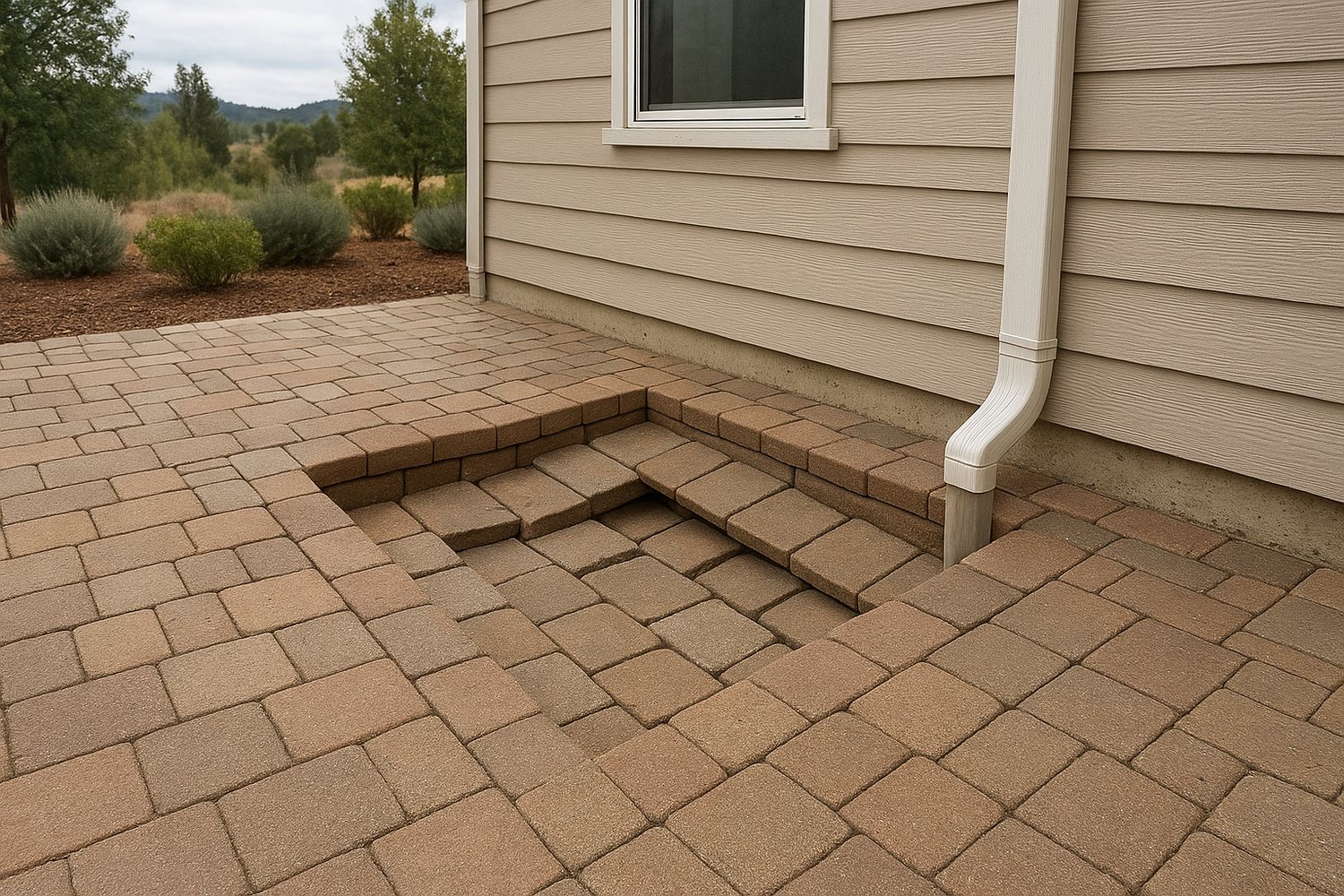
Understanding Paver Repair, Releveling, and Sealing for Your Patio
Discover what causes sinking or heaving pavers—and how professional releveling addresses the root issue for lasting results on your patio or hardscape.
Paver patios and walkways are a top choice for outdoor living in California’s climate, but shifting and settling sometimes happen. Knowing the real reasons behind uneven or loose pavers helps you decide when repair or releveling is the best solution—and what long-term peace of mind looks like.
Why Do Pavers Sink or Heave in the Sacramento Region?
Paver surfaces can sink, dip, or shift over time—and our local soil conditions have a lot to do with it. In areas like Rocklin, Roseville, Granite Bay, and Folsom, clay-heavy soils expand when wet and contract when dry. Rain cycles, irrigation, and even drought cause the ground beneath pavers to move or settle unevenly.
Plant roots under patios can add to the problem, slowly pushing up individual pavers or creating air pockets as roots decompose. Heavy use by vehicles or foot traffic puts extra stress on edges and joints, compounding settling. These changes might be slow but eventually become visible as low spots, tripping hazards, or puddles after rain.
Understanding the underlying causes helps you plan timely maintenance and know when releveling is needed. Left unaddressed, minor movement can turn into cracked pavers or drainage issues. Staying informed puts you ahead of bigger repairs later.
- Clay soils expand/contract through each season
- Roots and plant growth shift the ground
- Irrigation leaks or heavy rain exacerbate settling
For a deeper dive into specific solutions, see our comprehensivePaver repair, releveling and sealingpage.
What Happens During Paver Repair & Releveling?
Paver repair starts with identifying the areas that have shifted most. The process usually involves carefully lifting affected pavers and examining the base underneath. Any soft, eroded, or uneven bedding material is addressed—often by adding and compacting fresh sand or gravel.
Once the base is corrected, the original pavers are reset in their intended pattern and checked for proper alignment. Surrounding joint sand is refreshed to lock the surface together and prevent future movement. This careful rebuilding targets the root causes, not just the surface symptoms.
The result: your patio or walkway looks seamless, with level surfaces and improved stability. Because the repair uses existing pavers, the final appearance blends with the existing space, and costly full replacements are usually avoided.
- Lift sunken or uneven pavers
- Rebuild the base with compacted material
- Reset pavers and refill joints for stability
The Role of Sealing in Long-Term Paver Care
Sealing is an optional but valuable step after addressing any repair or releveling needs. Professional paver sealants form a protective layer above and between each paver. In environments like Auburn and El Dorado County, this helps reduce water penetration, minimizes staining, and locks in joint sand.
Sealed pavers resist weather impacts, weeds, and contaminants like oil or rust—common issues in outdoor cooking or driveway areas. Proper sealing also highlights color and texture, rejuvenating the appearance of both older and newer hardscapes.
Timing matters. Wait until pavers and sand are fully dry following repairs, then apply a penetrating or film-forming sealant suited to the local climate. With regular inspection, sealed hardscapes stay low-maintenance and durable for years.
- Sealing keeps moisture out and joints tight
- Improves resistance to weeds and stains
- Enhances appearance and color retention
| Issue | DIY Option | Professional Repair | Typical Result |
|---|---|---|---|
| A single loose paver | Reset & sand | Full base check, reset, new sand | Stable if base is firm |
| Widespread settling | Not recommended | Rebuild base & level surface | Long-lasting fix |
| Pooling water | Temporary patch | Correct grade, compact new base | Restored drainage |
| Weeds in joints | Weed removal, joint sand | Pre-treat, refill with polymeric sand, seal | Cleaner, weed-resistant |
| Edge shifting | Reset edge pavers | Rebuild edge restraint system | Strong, secure border |
Spotting Signs You Need Releveling or Repair
Watch for pavers that sit lower or higher than surrounding ones, or any area where water pools instead of running off. These are early signals that your patio or walkway needs attention, especially after a wet winter or a season of heavy use.
Loose or wobbly pavers, widening joints, and settling near edges also point to issues under the surface. If you notice sand or gravel washing out from under pavers, especially after storms or irrigation leaks, don’t wait. Minor issues often grow worse—and more expensive to fix—if ignored.
Taking action early saves time and disruption. Regularly sweeping and checking your paver surfaces lets you catch small movements before they turn into tripping hazards or major repairs.
- Uneven, raised, or sunken pavers
- Pooling water or poor drainage
- Washing out of joint sand or gravel
Releveling: DIY or Call a Professional?
Some minor repairs—like closing small gaps or resetting a single wobbly paver—can be handled by a confident DIYer. However, addressing widespread settling, correcting drainage, or rebuilding the base material is usually best left to professionals familiar with local conditions.
The right tools and materials make a difference. Power compaction and precise grading help ensure your base stays stable long-term. Local companies, like California Hardscapes, know which sands and gravels perform best in the region’s unique soils, ensuring a repair that outlasts seasonal weather swings.
Before starting a DIY fix, be realistic about the scale and safety risks—especially with patios supporting outdoor kitchens, firepits, or retaining walls. For anything more than a quick spot-fix, expert consultation pays off in longevity and peace of mind.
- DIY repairs suit very minor, isolated movement
- Professional work ensures proper drainage and grading
- Expert tools and materials boost durability
Explore more ways to elevate your yard by visiting ourHardscapes & Patiosoptions overview.
How Local Soil and Weather Influence Paver Performance
Many paver issues in this part of California come from our clay soils and extreme wet-dry weather swings. Soil movement in the Sacramento Valley, Sierra Foothills, and foothill communities can catch even the best-installed patios off guard.
Spring rains, irrigation runoff, and tree roots all affect the paver base over time. Well-constructed bases resist these challenges, but aging materials or overlooked installation details eventually allow shifting or settling.
Understanding these environmental pressures helps homeowners make informed choices about repair, releveling, and future prevention. Local expertise matters, because a solution that works in one region might not last in another.
- Clay and silt soils shift significantly with rain
- Root growth and decay under pavers cause movement
- Freeze-thaw cycles are rare but possible in higher elevations
Routine Maintenance to Protect Your Investment
Regular sweeping and removing debris prevent weed seeds from taking hold in joints. Rinsing spills promptly reduces the risk of stains, especially where barbecues or vehicles are involved. If you notice sand loss or shifting pavers, address them early before water can penetrate or freeze in gaps.
Annual checks for low spots or pooling, especially after storms or irrigation changes, keep your paver areas in top shape. A quick session of re-sanding or joint cleaning is often all it takes if caught early.
Well-maintained pavers offer decades of enjoyment and add value to your property. Combining simple care with professional help when needed keeps your patio, driveway, or pathway looking and performing its best.
- Sweep and clean regularly
- Address joint sand loss promptly
- Monitor after storms or irrigation changes
Choosing a Paver Pro with Local Knowledge
When considering repair or releveling, choose a company that understands the unique blend of soils, climate, and construction techniques in Placer, Sacramento, and El Dorado counties. Local knowledge makes a big difference in the longevity of your investment.
California Hardscapes, led by Marty—who has over three decades of concrete and outdoor construction experience—brings this practical perspective to every project. From the right base materials to proper compaction, expert oversight ensures the job is done for the long-term, not just the short-term fix.
Communication matters, too. Look for a pro that answers questions plainly, explains the repair plan, and provides insight into ongoing care. That’s the kind of service that helps you protect and enjoy your hardscape for many years.
- Experience with local soils and drainage is key
- Right base materials matter for longevity
- Clear, practical communication builds trust
Ready for advice on your project?Request a consultationwith California Hardscapes today.
Planning a hardscapes & patios project?
Call or text 916-741-0633, or email sales@californiahardscapes.com with your address, a short description and a few photos, and we will arrange a consultation.