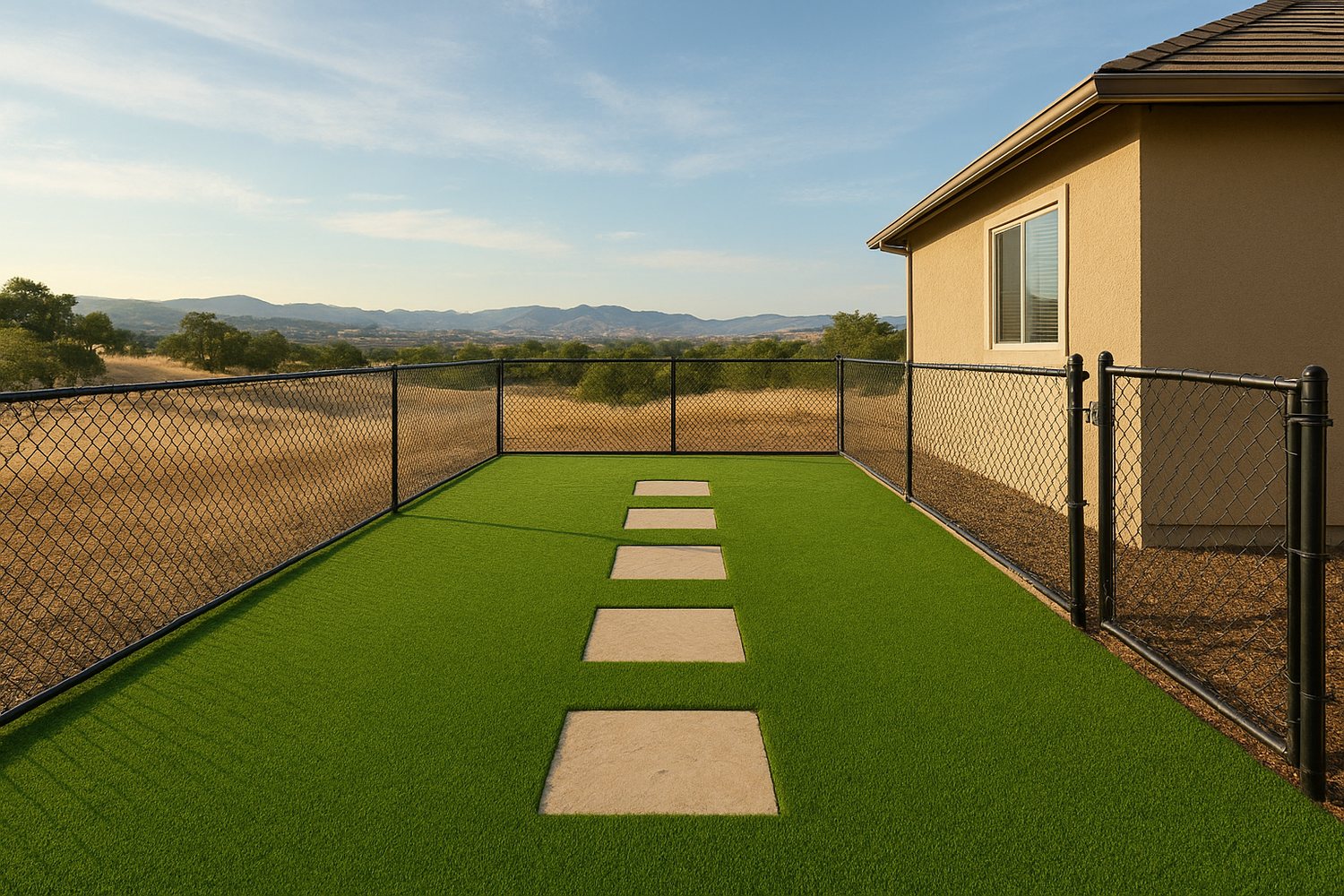
Pet-Friendly Turf: Comparing Infill Choices for Local Homes
Choosing the right infill can make or break the performance of pet-friendly artificial turf. This guide explains your best options for local conditions.
Pet-friendly artificial turf is a modern solution for homeowners who want a green yard that stands up to pets. But the real performance comes from what’s underfoot: the infill. In greater Rocklin and the surrounding communities, making the best infill choice depends on your pets, your routine, and our regional climate.
Why Infill Matters for Pet Turf
Infill is the unsung hero beneath artificial turf blades. For pet owners, picking the right infill can influence not just turf longevity, but also pet comfort and yard cleanliness. Infill provides blade support, shock absorption, and helps control odor—a crucial issue with active pets.
In the Placer and Sacramento area, hot summers and rainy winters mean your dog’s favorite bathroom spot gets a lot of action. The proper infill helps prevent matting, supports drainage, and keeps odors at bay. Not all infills perform equally well in these local conditions.
Your choice comes down to priorities: easing upkeep, odor resistance, or pet comfort. Understanding how each infill works will help you get a yard that stays fresh, feels comfortable, and looks great all year long for the whole household—including the furry members.
If you’re exploring the details of pet turf, learn more at our mainPet-friendly artificial turfpage.
Crumb Rubber Infill: Pros and Cons
Crumb rubber is made from recycled tires and was once the standard for turf systems. Its soft, springy nature means good shock absorption, which can be easy on dog joints. However, it tends to retain heat—a notable drawback during Roseville and Folsom summers.
Another concern with crumb rubber is odor. Pet urine can linger, and the material itself may trap smells. For homeowners prioritizing freshness and minimal maintenance, crumb rubber is often passed over for alternatives.
There are also aesthetic considerations: some find little black bits stuck in fur or tracked indoors. For most local pet owners, crumb rubber is only worth considering if your primary need is cushioning. For superior odor control and cleanliness, consider newer infill types.
- Good impact absorption for active dogs
- Heats up in summer sun
- Odor can build up over time
Silica Sand: Affordable, Simple, But Limited for Pets
Silica sand has long been used as turf infill because it’s simple, affordable, and helps keep blades standing upright. However, it lacks any odor control ability, and dog urine can eventually lead to bacteria or even turf discoloration.
In humid or rainy weather, clumping may be an issue and drainage can be compromised—especially in backyard spots favored by your pets. If your main concerns are minimal cost and structural support (and you’re prepared for extra cleaning), silica sand might work.
Most pet-loving households in this region find silica sand isn’t the best match for daily pet use. Sand may provide blade stability at a budget price, but pet owners often look elsewhere for hygiene and odor management benefits.
- Economical option for large areas
- Limited odor absorption
- Drains adequately but less ideal for heavy pet use
| Infill Type | Odor Control | Cooling | Maintenance | Cost |
|---|---|---|---|---|
| Crumb Rubber | Low | Poor | Moderate | Low |
| Silica Sand | None | Fair | High | Low |
| Zeolite | High | Good | Low | Medium |
| Antimicrobial | Excellent | Excellent | Low | High |
Antimicrobial and Zeolite Infill: The Premium Pet Choice
For pet turf in Rocklin, Granite Bay, or Auburn, infill with antimicrobial or natural odor-absorbing properties offers a clear upgrade. Zeolite is a mineral that traps ammonia from pet urine, greatly reducing turf odor and making cleaning far easier.
Some premium infills also include antimicrobial technology, which slows bacterial growth—crucial for busy yards and multi-pet families. These infills stay cooler on hot days and combine odor neutralization with effective drainage.
Upfront, these infills cost more than sand or rubber, but the payoff is lasting freshness, a more pleasant yard, and less maintenance. They’re a practical investment for homeowners who value a clean, odor-free outdoor space—season after season.
- Superior odor and bacteria control
- Natural cooling properties
- Minimizes need for frequent deep-cleaning
How Our Regional Climate Influences Your Choice
Northern California’s weather changes quickly—think triple-digit summer heat, followed by muddy winters. These big swings matter when choosing pet turf infill. Some materials heat up too much and become uncomfortable, while others struggle to drain after hard rain.
Antimicrobial and zeolite infills tend to handle local temperature extremes better. Rubber can scorch paws, and simple sand may compact under heavy use, making for a less comfortable play area.
Climate isn’t the only factor—where pets naturally gravitate (sun or shade), your cleaning routine, and whether you get winter puddles often can all point you to the best infill choice for your unique property.
Compare more choices at our overview ofArtificial Turf optionsfor local homes.
Durability, Upkeep, and Long-Term Satisfaction
Every infill type has a different impact on maintenance. Crumb rubber can get displaced by excited dogs. Sand compresses over time, requiring periodic top-up, especially in play-heavy areas.
Zeolite and antimicrobial infills tend to maintain their performance with less hands-on care. They support safe, regular hosing without promoting matting or bacteria. That can mean less scrubbing and deodorizing over the years.
Infill is a “pay now or pay later” decision: more affordable infills may need frequent maintenance, while a premium product offers hassle-free longevity. Matching your infill choice to your household’s energy level and cleaning preferences pays off long-term.
- Maintenance needs vary: plan ahead for active pets
- Quality infill improves turf life and appearance
- Investing up front reduces ongoing hassle
Cost Considerations and Value Assessment
Budget is always a consideration. Sand and rubber infills are less expensive up front, but may require more frequent replacement or cleaning—especially in pet zones. This is a key concern for families hoping to “do it once and forget it.”
Premium infills like zeolite involve higher installation costs, but often pay off through easier upkeep, reduced odor, and a fresher yard overall. Consider that cost isn’t just about the first year, but about daily use over five, ten, or more years.
It’s not just a material cost decision: it’s about how your outdoor space will serve both you and your pets—and what your peace of mind and clean home are worth in daily life.
- Upfront cost vs. long-term savings
- Premium infill lowers ongoing labor
- Assess value by lifespan, comfort, and cleanliness
Making the Best Turf Infill Decision for Your Home
There’s no universal best answer, but for most pet owners in this region, an infill with odor control and antimicrobial properties balances long-term value and day-to-day satisfaction. Start by weighing your climate, budget, and cleaning style.
If you have multiple dogs, or if your yard is the neighborhood hangout, lean toward the infill option that can keep up with that action. For dog owners with lower maintenance needs, simple solutions may still fit—just know the trade-offs.
It’s always smart to reach out for specific guidance. A conversation about your routine and your property makes the choice easier—so you can enjoy a beautiful, easy-care yard both you and your pets will love.
Ready to ask questions or talk specifics?Request a consultationwith a California Hardscapes specialist.
Planning an artificial turf project?
Call or text 916-741-0633, or email sales@californiahardscapes.com with your address, a short description and a few photos, and we will arrange a consultation.