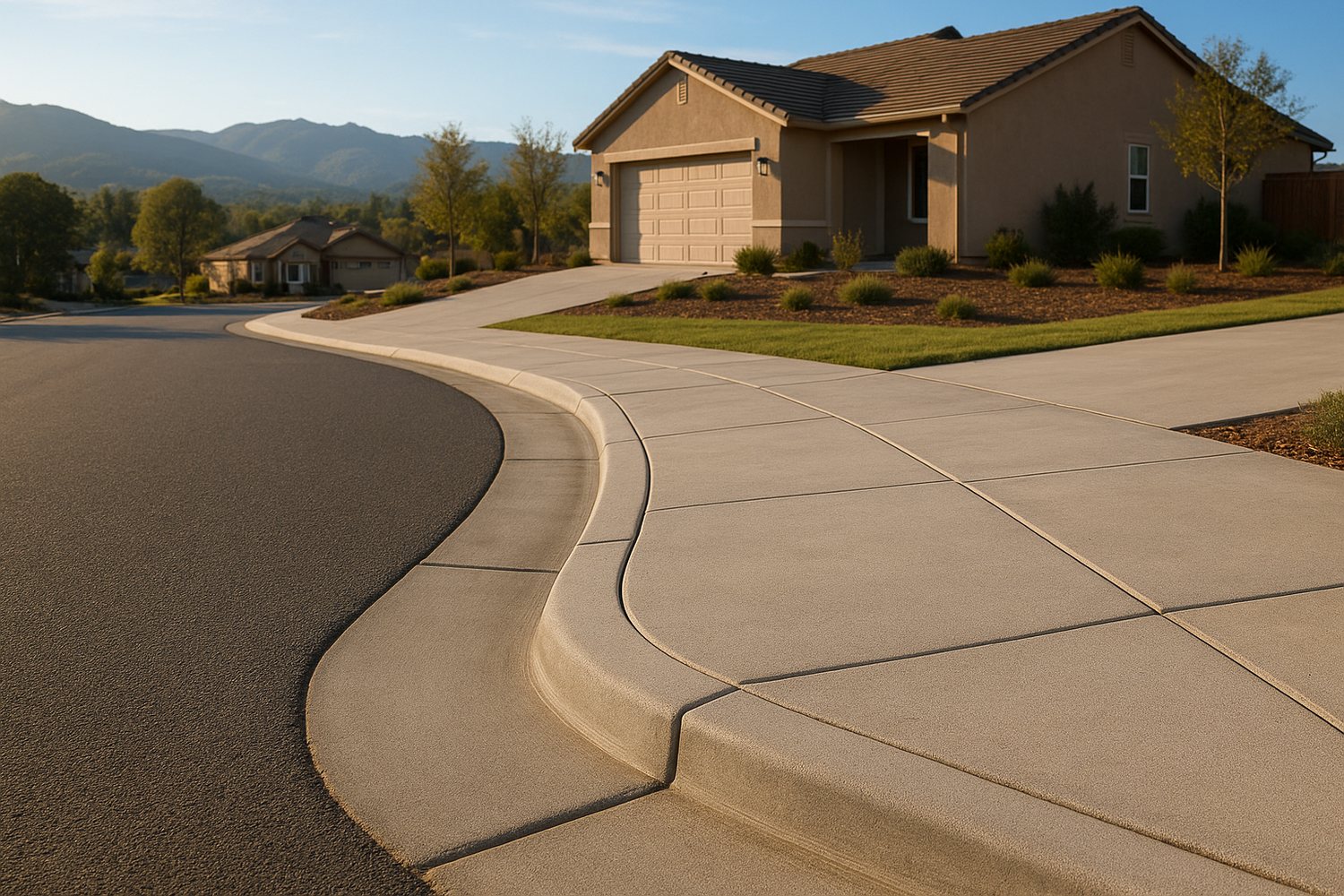
Planning Concrete Driveways and RV Pads in Placer and Sacramento Counties
Make informed decisions for your new concrete driveway or RV pad. Learn about sizing, access, and approvals for the Rocklin area’s needs.
Adding a concrete driveway or RV pad to your property isn’t just about extra parking—it’s an investment in convenience and value. Smart planning helps you avoid headaches later and ensures long-lasting results.
Why Add an RV or Boat Pad?
Many Northern California homeowners see the appeal in having room for their recreational vehicles, boats, or extra vehicles. But most driveways built with the original home don’t offer secure, convenient space for these bigger investments. Concrete RV pads provide smooth, durable surfaces—minimizing tracking dirt in and controlling dust.
A dedicated pad can preserve your main driveway, save your lawn from ruts, and keep your RV, trailer, or boat within reach. Concrete handles heavy wheel loads and our region’s temperature swings better than most alternatives. If resale is a concern, well-executed pads and widened driveways may increase curb appeal and buyer interest.
Keep in mind that unpermitted, poorly sited parking pads can cause problems down the line, from HOA issues to city violations. Working with experienced concrete professionals can help you plan, size, and build a pad that meets both your needs and local requirements.
Benefits of a dedicated pad:
Learn more details on ourConcrete driveways and RV padspage.
Determining the Right Size for Your Needs
Correct sizing is about more than just the length and width of your RV or boat. Most pads for standard RVs or trailers are 10–12 feet wide, but some need extra width for slide-outs or opening doors. Length should accommodate hitches and allow you to safely open tailgates or access storage compartments.
Also factor in maneuvering clearance and access paths. If you ever trade up for a larger rig, slightly oversizing the pad can spare you future hassle. For boats or toy haulers, be sure to account for tongue jacks, steps, and folded swim platforms.
Measure your planned vehicle, and add several feet in each direction for comfort and flexibility—not just for parking, but for loading, unloading, and routine walkarounds. Keep landscaping and fences in mind, so you’re not scraping mirrors or branches every time you come and go.
Things to consider when sizing:
Access: Planning for Smooth Entry and Exit
Safe, simple access to your new pad is as vital as the pad itself. Think through how your RV or boat will enter and exit—tight driveways, sharp corners, or steep slopes can complicate things. Evaluate your gate width and ensure approaches are wide and flat enough for comfortable backing in and out.
Local slopes are a unique challenge in areas like Auburn and Folsom, where grades can vary a lot from one property to the next. Designing concrete approaches with proper slopes and reinforcement prevents cracking and future settling.
When planning access, think about more than today’s needs. Will you carry gear to load? Does an existing fence, garage, or tree block your way? Proper layout from the start saves time and costly modifications later.
Access planning checklist:
| Feature | Standard Driveway | RV Pad (Light Use) | RV Pad (Heavy Use) | Boat Pad |
|---|---|---|---|---|
| Typical Width (ft) | 10–12 | 10–12 | 12–14 | 10–12 |
| Minimum Thickness (in) | 4 | 5 | 6 | 5 |
| Reinforcement | Wire mesh | Rebar or mesh | Heavy rebar | Rebar or mesh |
| Water Drainage Needs | Moderate | Essential | Crucial | Essential |
| Slip-Resistant Finish | Recommended | Needed | Required | Needed |
Approval and Local Regulations
No matter where you live—Rocklin, Granite Bay, Folsom, or surrounding communities—local rules dictate what you can build and where. Start with your city’s planning office or county building department to learn what’s required for driveway or RV pad installations.
Many neighborhoods have HOA rules on pad placement, visibility from the street, or surface materials. Getting proper approvals upfront keeps you in good standing and avoids correction orders or costly changes later. Plan for setbacks (distance from property lines) and check if you’ll need drainage improvements or tree protection.
Permits are not always required for minor additions, but most permanent new concrete pads or driveway expansions need some review. A professional familiar with Placer, Sacramento, and El Dorado County can help navigate these steps smoothly.
Typical requirements:
Concrete Thickness and Reinforcement Basics
RV pads and driveways handle far more weight than standard walkways. That means thicker concrete and stronger reinforcement. For most residential driveways, a minimum of four inches is standard—but six inches is common for dedicated RV or boat pads, especially for heavier vehicles.
Rebar or welded wire mesh provides reinforcement and reduces the risk of cracking under weight and seasonal expansion. Consider fiber reinforcement for added durability in areas prone to shifting soil or visible cracking.
Site preparation is just as important: prepping a compacted gravel base, checking for proper drainage, and choosing mixes suited for our climate help avoid future repairs. These aren’t corners worth cutting, especially for vehicles weighing several tons.
Concrete pad checklist:
See all options on ourConcreteoverview for outdoor surfaces.
Drainage and Surface Considerations
Don’t overlook water flow when adding hardscape. Pads that don’t shed water correctly can lead to pooling, icy spots in winter, or undermining of your foundation. Your concrete contractor should set up adequate slope and route water safely away from nearby structures.
Exposed aggregate or broom finishes provide traction in our frequent winter rains. Non-slip surfaces are safer when walking around a parked RV or boat. If you expect to work under vehicles or wash boats onsite, plan for mild downhill grades and nearby storm drains.
Landscaping around the pad can also help with runoff and soften the look. Adding a border of gravel or planting strip provides a buffer and helps direct water while reducing mud.
Key points for drainage:
Matching Style to Your Home and Neighborhood
A concrete driveway or RV pad doesn’t have to be a plain slab. In upscale areas like Granite Bay or Folsom, stamped concrete, colored finishes, or borders can be an option—so long as they meet HOA and local requirements. Consider extending primary driveway design elements to tie in new work.
Simple design choices, like a decorative saw cut pattern or a colored border, can make a big difference in curb appeal. This is helpful when blending a new pad with existing concrete or landscaping features.
Work with a contractor who understands regional aesthetics and is familiar with what’s permitted by local covenants and city codes. An experienced builder can help you balance style, function, and budget.
Options for custom concrete pads:
Choosing the Right Local Partner
The right contractor guides you through design, permitting, and construction and stands behind their work. Look for teams who know local soils and codes and communicate clearly about timelines and logistics.
California Hardscapes, managed by Marty—bringing over three decades of local concrete construction, sales, and management experience—offers hands-on knowledge for every type of residential concrete work, from initial layout to final pour.
Choosing a builder with deep roots in the community ensures your driveway or RV pad is built to last, meets approval, and truly fits your property. Good hardscaping is a long-term investment—start with a team you can trust.
Tips for selecting a contractor:
Ready to discuss your plans?Request a consultation by email.
Planning a concrete project?
Call or text 916-741-0633, or email sales@californiahardscapes.com with your address, a short description and a few photos, and we will arrange a consultation.