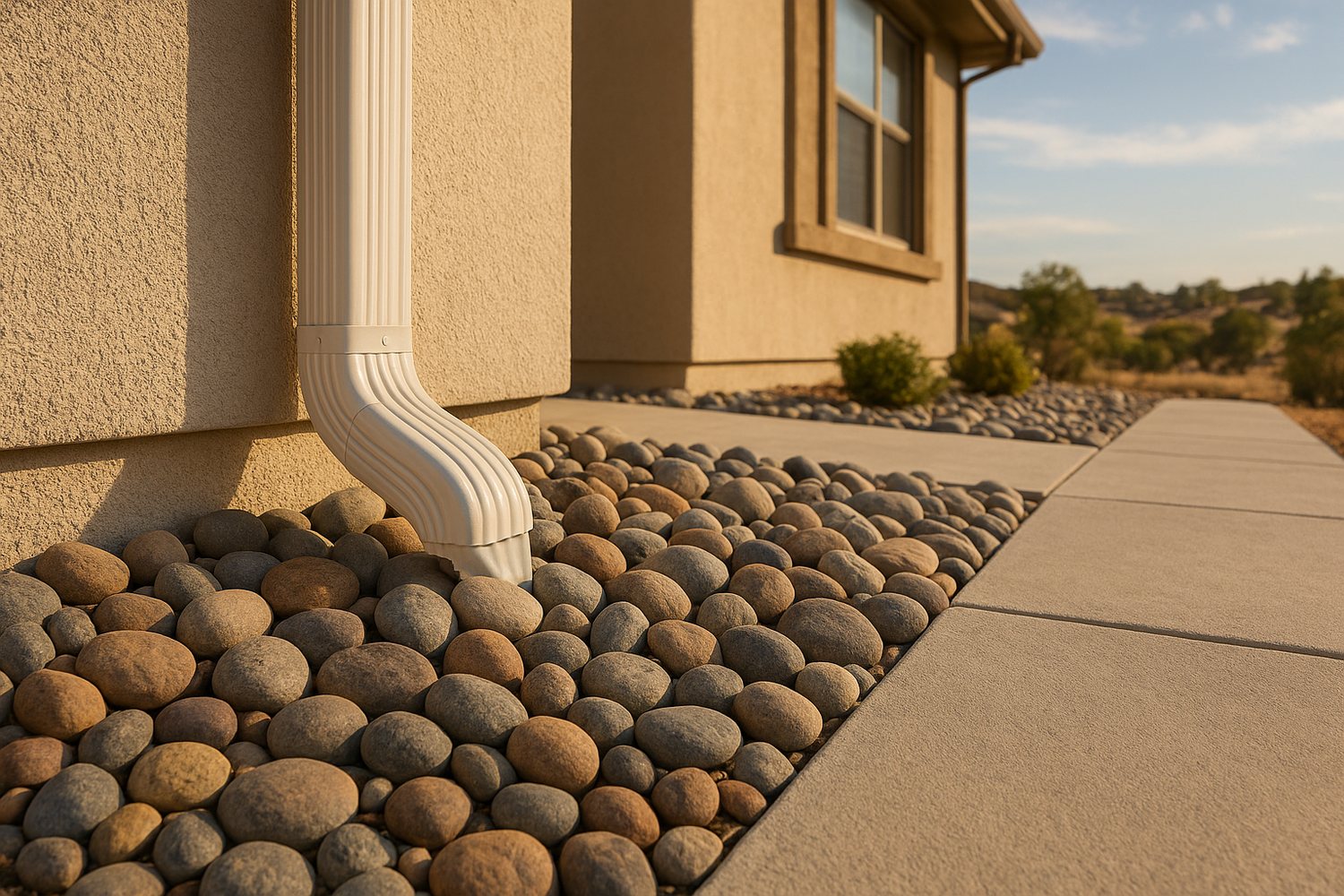
River Rock vs. Angular Gravel: What’s Best for Drainage?
Curious about drainage? Explore how river rock stacks up against angular gravel for home and landscape water management in our region.
River rock and angular gravel are popular choices for drainage projects in the foothills and valley communities. Each has unique properties and real impacts on water flow.
Why Drainage Matters in Our Region
With varied rainfall, clay soil, and sloped yards, drainage is a key concern for homeowners in Rocklin, Roseville, Granite Bay, Folsom, and Auburn. Poor drainage can undermine patios, pool decks, and even home foundations. California’s wet winters and rapid run-off demand landscape solutions that move water away from structures and control erosion.
Proper drainage helps prevent standing water, mud, and plant stress. It also keeps outdoor living spaces usable. The right material choice goes a long way in achieving these goals. River rock and angular gravel are both common tools for managing water where it matters most—next to walkways, pools, retaining walls, and planting beds.
Knowing which material fits your property and project is critical for long-term success. Even subtle differences in rock shape and type can determine how well water flows through your landscape during a heavy storm.
- Drainage helps protect structures and landscapes.
- Both material and installation method affect outcomes.
- Choose materials that fit soil, slope, and regional weather.
Learn about rock shapes, sizes, and local availability on theRiver rock and cobblepage.
River Rock: Natural Look, Steady Drainage
River rock is smooth, rounded, and often multicolored. It’s formed by natural tumbling in rivers and creeks, making each piece unique. In drainage systems, river rock promotes a steady, gentle water flow, letting moisture pass while minimizing glare and blending well visually with local landscapes.
Homeowners appreciate river rock for lining dry creek beds, French drains, or accenting patios. Its weight helps it stay put in fast-moving water or alongside patios in heavy rain. However, the rounded surface means water can travel more slowly, and rocks may shift if not properly edged.
River rock’s size range and texture also help deter weed growth, making it a low-maintenance choice. Its natural variation fits both rustic and modern outdoor designs in our foothill cities and beyond.
- Smooth, rounded appearance
- Promotes steady drainage
- Heavy enough to stay put in downpours
Angular Gravel: Fast Flow, Tight Fit
Angular gravel is freshly crushed stone, with jagged edges that interlock when installed. This tight fit promotes fast water flow and provides excellent filtration. It’s ideal for applications where rapid drainage and structural stability are priorities—think below retaining wall drains, sub-base for pavers, or in areas prone to clogging.
Because angular gravel compacts well and doesn’t shift as easily as river rock, it’s a first choice for base layers and heavily trafficked parts of the yard. Its irregular edges offer more surface contact, slowing weed growth but still allowing water through efficiently.
One consideration: angular gravel’s sharp edges may be uncomfortable underfoot or for barefoot play. It also appears more uniform in color and texture, which some homeowners prefer for a clean, modern look.
- Jagged, interlocking particles
- Excellent for rapid drainage
- Stable for structural applications
| Property | River Rock | Angular Gravel | Best Use | Maintenance |
|---|---|---|---|---|
| Drainage Speed | Moderate | Fast | Gravel: high flow, Rock: decorative | Minimal; occasional raking |
| Appearance | Natural, variable | Uniform, modern | Rock: beds & swales, Gravel: sub-base | River rock may shift |
| Stability | Heavy but can roll | Interlocks; stable | Hillsides, structure bases | Check after storms |
| Comfort | Comfortable barefoot | Rough, sharp | Family/foot traffic areas | Keep edges neat |
| Weed Resistance | Good, especially with fabric | Very good compacted | Both: with proper prep | Remove debris seasonally |
Performance Under Placer and Sacramento Weather
In our local climate, material choice can impact how your drainage system holds up year after year. During major winter storms, angular gravel’s tight packing prevents washout—even on steep slopes. It’s a go-to for projects where shifting soils demand extra stability.
In contrast, river rock is less likely to be carried away in fast water due to its size and weight, but can roll if not contained. Its rounded nature means slower drainage, which can be an advantage for gently sloping garden beds where you want to slow and disperse runoff instead of channeling it quickly away.
For areas needing both durability and appearance—like dry creek beds, border accents, or exposed patio edges—a mix of both may even be recommended. Proper installation and edge detailing are always key in our region’s clay-heavy soils.
- Angular gravel avoids washouts on hills.
- River rock slows runoff in gentle areas.
- Material choice matters for each use case.
Installation Techniques for Long-Lasting Results
Preparation is the backbone of any successful drainage project. Start by removing organic matter and creating a stable base—this prevents settling and clogging. In most landscapes here, a layer of landscape fabric goes beneath the rock to keep dirt and roots from mixing with your drainage layer while allowing water through.
For river rock, wide swales or trenches are usually dug deeper, with a solid border or edge restraint. This keeps rounded stones compact and prevents escape during high flow. For angular gravel, trenches can be shallower, as gravel will lock into itself, but good compaction is essential for best results.
Don’t overlook transitions: finished edges not only look better, but also hold the material in place through wet winters. California Hardscapes approaches every installation with care to regional details like freeze-thaw cycles and soil compaction.
- Start with a cleared, compacted base.
- Use landscape fabric to separate soil and rock.
- Border edging prevents rock displacement.
To see broad options for all rock and aggregate, visit ourMaterialsoverview.
Maintenance: What to Expect Over Time
Angular gravel typically resists shifting and compaction year after year. Occasional top-ups may be needed if any material is lost to foot traffic or landscaping work. Routine checks after storms will help identify any displaced pieces or clogged spots, especially near drains or planting beds.
River rock, while heavier and less prone to scattering in wind or rain, can still move if water isn’t properly channeled. Weeds are less common but may appear along the edges where soil can settle between stones. Occasional raking to redistribute rocks will keep things even.
Both materials require little beyond basic inspection—but in our local climate, regular fall and spring checks are wise. Removing leaf litter and checking for erosion or blockages will keep your drainage system running clear year-round.
- Angular gravel holds shape with little raking.
- River rock may need redistribution in high flow.
- Regular checks are key after seasonal storms.
A Practical Comparison Table
Here’s a side-by-side look at how river rock and angular gravel stack up for drainage around homes in the Rocklin, Roseville, and greater Sacramento area. Use this as a quick reference as you plan your outdoor project or consult with your contractor.
No material is one-size-fits-all. Consider your site’s slopes, soil type, any nearby plantings, and your own style preferences. Professional installation ensures whichever choice you make will perform over the long haul in our region’s demanding weather.
Remember, the right base preparation and edge detailing are just as important as your choice of material. If you have questions, a custom site assessment can help select the right option for your space.
Which Material Should You Choose?
Choosing between river rock and angular gravel comes down to function, style, and site specifics. For high-flow areas or places requiring structural stability—like under retaining walls or behind hardscape features—angular gravel is often better. For garden beds, border accent, and visible drainage swales, you might prefer river rock’s natural look and softer profile.
You can sometimes blend both: gravel for rapid drainage at the base, topped with river rock for looks where the surface will be visible. California Hardscapes has decades of experience tailoring these solutions to the needs and styles found in our diverse neighborhoods.
Still not sure which option fits your project? The right answer takes into account soil, slope, how you use your outdoor space, and your desired look. Our team is always happy to help you weigh the pros and cons for your specific situation.
- Angular gravel: faster flow, structural strength
- River rock: softer appearance, steady water movement
- Site-specific guidance is available
If you’d like professional advice for your property,request a consultation.
Planning a materials project?
Call or text 916-741-0633, or email sales@californiahardscapes.com with your address, a short description and a few photos, and we will arrange a consultation.