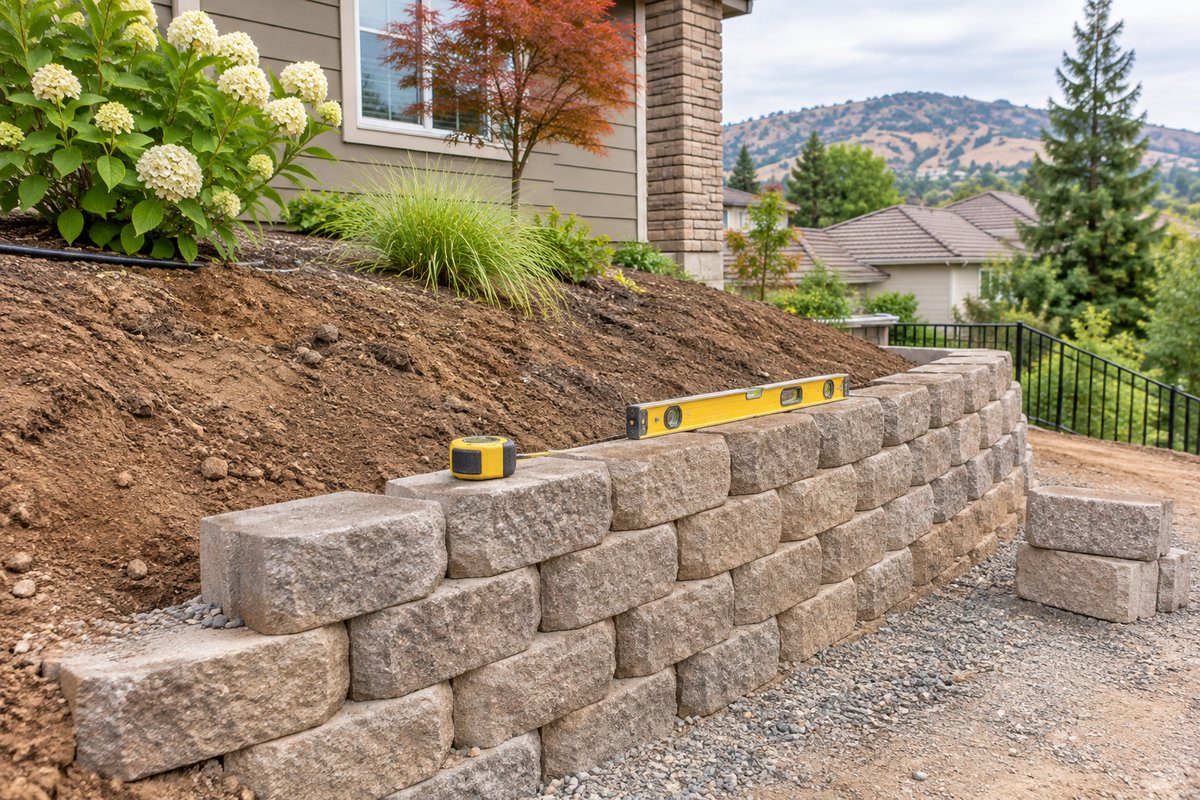
A Practical Guide to Planning Retaining Walls in Roseville, CA
Thinking about a new retaining wall or an upgrade in Roseville, CA? Practical steps on permits, HOA rules, soils, slopes, utility calls, local weather, and the right timing for success.
Retaining Walls in Roseville: Understanding Local Requirements
Every retaining wall project in Roseville, California starts with more than just a design idea. Homeowners face a series of regulations, approvals, and smart planning decisions that shape how, when, and what you can build. It’s important to recognize that each project is unique: some walls require more documentation, engineering, or city review than others. Homeowners’ Associations (HOAs) in Roseville neighborhoods may have their own guidelines on visible landscape features, finishes, and fence-wall combinations. City codes can affect wall height limits, setbacks, and special approaches needed for retaining walls on sloped or shared lots.
It’s best to check with both your HOA (when applicable) and the Roseville city office responsible for permits before any plans are finalized. This ensures your project follows local zoning, avoids costly modifications, and prevents construction interruptions. Retaining walls that serve as structural supports, such as those over a certain height or near driveways, often require engineering review. For specifics, contact city officials through their website and clarify HOA requirements with your management team at the same planning stage.
Scope and regulations may vary depending on wall size, materials, and function. Whether you envision a block retaining wall, boulder wall, or a multi-tiered landscape, factoring in all approval steps early will save time and frustration.
Safeguarding Utilities: 811 and Local Power Resources
One essential planning step is to call 811 before any ground is broken on your property. Underground utilities—including those serviced by Roseville Electric Utility—must be clearly marked out prior to excavation to avoid damage, dangerous outages, or delays. Homeowners are responsible for ensuring this step is completed, even if working with a licensed, bonded and insured contractor. Recognizing where utilities run allows your design to avoid service lines, coordinate with your chosen contractor, and maintain code compliance.
Electrical, gas, water, and communication lines often cross front and rear yards in Roseville’s neighborhoods. Marking these utilities in advance helps you and your contractor understand potential disruptions and adjust plans if needed. While utility location typically doesn’t change the design aesthetic, it can influence wall foundation placement and access.
This call-before-you-dig approach not only protects infrastructure but also the safety of everyone on your project. Make utility marking part of your pre-construction checklist to ensure a smooth start.
Soil, Slope, and Drainage: The Foundation for Success
The longevity and performance of any retaining wall—whether it’s a stone retaining wall or gabion wall—depend on adapting to the local soils and slopes. Roseville’s terrain features a mix of dense clay and granite-based soils. Clay expands and contracts as moisture changes with the seasons, potentially impacting wall stability and drainage. Granite soils tend to drain more efficiently but can require specialized footing for larger engineered retaining walls.
Slope conditions play a major role in wall type selection and installation methods. Steep slopes may benefit from stepped or engineered retaining walls that manage soil movement, while modest grades might allow for economical segmental block retaining walls or raised planter walls. Proactive drainage—using gravel backfill, geo-fabric, and weep holes—directs water away from the wall and reduces hydrostatic pressure from winter rain.
For all configurations, correct soil preparation and thoughtful drainage design are non-negotiable. These are integral reasons for involving licensed, bonded and insured contractors who understand Roseville’s landscape challenges. Taking shortcuts with drainage or soil compaction can jeopardize property value and safety over time.
Weather and Timing: Roseville’s Seasons Shape Your Plan
Roseville’s climate brings unique timing considerations for construction projects. With summer temperatures frequently topping 100°F and winter months bringing periods of heavy rainfall, scheduling your retaining wall project requires careful planning. Concrete work, mortar setting, and soil grading all have optimal temperature and moisture ranges for best results.
Start project planning by consulting the National Weather Service Roseville Forecast. Reviewing the 7‑day (or even monthly) forecast helps you pinpoint windows with stable temperatures, minimal wind, and dry conditions—especially important for poured concrete retaining walls and wall repairs. Midsummer installations may require early starts, shade tents, or additional curing precautions, while winter plans might need contingency days for rain delays.
Good project timing isn’t just about weather. It’s about matching construction schedules to your landscape maintenance needs, home events, and neighborhood quiet hours. Build flexibility into your plan for the best long-term outcome.
Planning for Utility Access and Lighting
Retaining walls often change how you access and use spaces around your yard. When planning, consider how new walls may affect access to water faucets, electrical conduits, or irrigation systems. Using experienced contractors ensures these elements are protected or rerouted during construction and integrated into the final design for function and aesthetics.
Landscape lighting and power outlets are frequently requested features at this stage. Roseville’s local electrical service provider, Roseville Electric Utility, offers guidance on electrical service adjustments and safety requirements for outdoor features. Early consideration avoids costly afterthoughts, whether you’re putting in a driveway wall or illuminating terraced walkways.
Front yard retaining walls, especially, can benefit from thoughtfully placed lighting for security and curb appeal. Taking time to plan lighting, access panels, or conduit runs before construction starts helps ensure a seamless, finished result.
Choosing Materials: Suiting Roseville Lots and Climate
Retaining wall material selection balances style, climate resilience, budget, and structural demand. Local homeowners often weigh the benefits of segmental blocks (economical, easy to match), boulders (natural, rugged), and gabion wall systems (filtering drainage, modern look). Poured concrete retaining walls offer unmatched durability and design flexibility for custom forms and finishes.
Terraced engineered retaining walls are ideal for larger grade changes and multi-level garden areas. Raised planter walls can introduce color and low-water landscapes that change with the seasons. Stone veneer and block options each respond differently to heat, cold, and periodic moisture; discuss maintenance implications with your contractor ahead of time.
Experienced contractors help match wall types to lot characteristics, long-term use, and Roseville’s weather extremes. Carefully choosing your materials upfront prevents regret and costly maintenance down the line.
Retaining Wall Repair and Upgrades: Protecting Your Investment
Aging or poorly built retaining walls are not just an eyesore—they can create real hazards if leaning, cracked, or failing during wet weather. In a city with temperature swings and winter rains, timely retaining wall repair can extend the life of existing features, improve drainage, and add value to your property. Repair might involve replacing isolated block sections, resetting boulders, or adding new drainage to older walls.
Newer solutions, such as gabion and segmental block systems, can also be integrated into upgrades for improved appearance and reliability. Don’t overlook the opportunity to refresh landscaping alongside a wall replacement or repair, especially if switching to lower-maintenance or water-wise plantings.
If you see signs of settling, bulging, or water collecting behind your wall, consult a retaining wall contractor. Addressing small issues now can prevent more expensive work later, especially given Roseville’s soil movement and seasonal moisture patterns.
FAQ: Roseville Retaining Wall Planning
What permits or HOA approvals do I need for a retaining wall project?
Project requirements vary by wall height, location, and neighborhood. Always check with your HOA and the Roseville permitting office for specifics on submittals, documentation, and inspections before you start.
How does soil type affect my retaining wall options?
Roseville has clay and granite-based soils. A licensed contractor will consider expansion, drainage, and stability concerns and can recommend the right wall type—such as block, boulder, or engineered walls—to suit your conditions.
When is the best time of year for building or repairing a retaining wall?
Spring and fall usually offer moderate temperatures and predictable weather for concrete, masonry, and landscaping work. Always check the local forecast before scheduling any project.
Begin the Process: Plan Smart, Build to Last
No matter your vision—whether it’s a modern block wall, a rustic boulder barrier, or a series of terraced planters—every lasting, beautiful wall in Roseville starts with solid planning. Review city and HOA requirements, involve only licensed, bonded and insured contractors, and respect each step from utility marking to final finish. Weather, soil, and functional design all play pivotal roles at every stage.
- Roseville Electric Utility for electric service information and safety
- National Weather Service – Roseville Forecast for project scheduling
Ready to take the next step? Request a consultation and bring your plans to life with retaining wall expertise for Roseville homes.
Planning a project in Roseville, CA?
Call or text 916-741-0633, or email sales@californiahardscapes.com with your address, a short description and a few photos, and we will arrange a consultation.