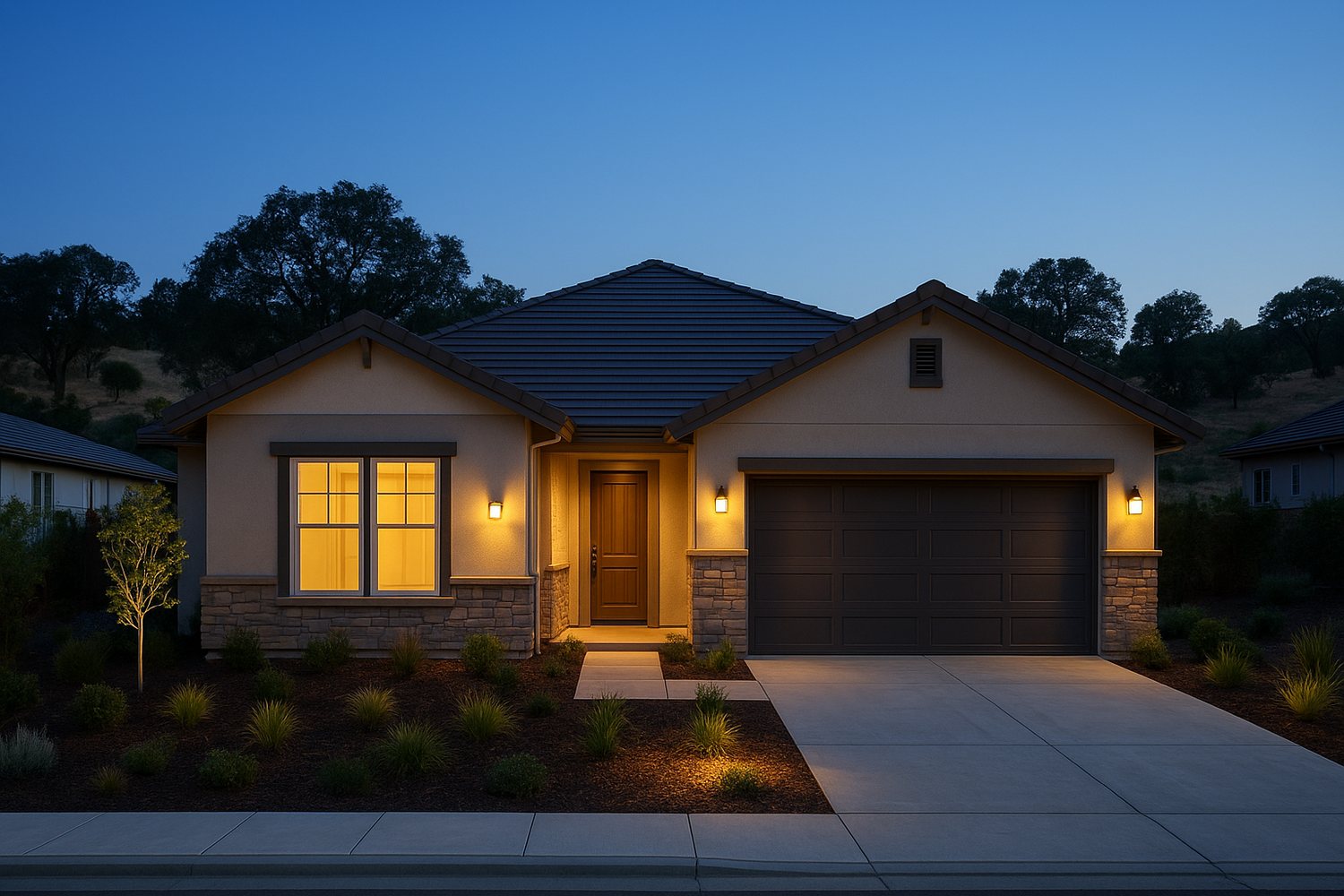
Planning Outdoor Lighting: Zones and Scenes with Smart Controls
Get to know how to plan outdoor lighting in Rocklin, Granite Bay, and nearby areas by zoning and creating custom scenes, for a practical and premium result.
Making the most of your outdoor space comes down to more than just fixtures—you need a layout that works for real life. Smart lighting controls built for zones and scenes can simplify how your outdoors looks and feels, every evening.
Why Zones Matter for Outdoor Lighting
Outdoor areas are rarely one-size-fits-all—neither should your lighting plan be. By dividing your space into lighting zones, you can control groups of fixtures independently. This means your patio can be cozy for dinner without your whole backyard lit up, or your paths can glow for safety while accent lights highlight key plants or features.
Homeowners in Rocklin, Roseville, Granite Bay, and neighboring communities know that each yard has its own character. Zoning adapts to that character, giving you the power to manage lighting for entertainment, relaxation, or security. It’s a practical way to avoid over-lighting or wasting energy.
Applying zones can help cut down on maintenance and electrical load, too. Start by mapping how you use each area—think entrance, pool, pathways, and landscape beds. With that roadmap, you can work with a professional to assign different circuits or smart controls for each zone, based on your lifestyle.
Explore more about smart lighting design and controls on ourSmart lighting controlspage.
Understanding Scenes: From Entertaining to Everyday
Smart lighting controls make outdoor scenes easy. A scene is a pre-set combination of lighting zones and brightness tailored to a specific activity or mood. For example, a ‘Dinner on the Patio’ scene might dim accent lights and brighten your dining area, while a ‘Nighttime Security’ scene switches path and perimeter lights on fully.
In Foothill communities like Auburn and Folsom, changing sunset times and seasonal needs mean you’ll want scenes you can adapt. Setting scenes helps you adjust your lighting with a tap—no fiddling with every switch. Scenes can be practical for everyday safety and convenience or styled for special occasions.
Start by considering your family’s routines. Do you enjoy summer parties, quiet evenings, or active kids’ play? By matching scenes to your real needs—not just aesthetics—you’ll get more out of your system and keep energy costs in check.
Matching Controls to Your Space and Needs
Not every system fits every yard. The controls you choose—switches, dimmers, smartphone apps, or voice assistants—depend on how you’ll use your zones and scenes. Busy families may like one-touch presets; those focused on security might want schedules or motion activation.
Outdoor climates in our region favor weather-resistant hardware and easy access, especially where sun, sprinklers, and dust are a concern. For homes with larger lots or multiple entertainment areas, wireless controls often make sense. Look for solutions that are durable, with simple interfaces you’ll actually use.
It’s wise to discuss options early in your planning. Understanding your household’s habits will help a pro recommend controls that deliver reliability and convenience, while keeping future expansion or tech upgrades in mind.
Designing for Placer, Sacramento, and El Dorado Conditions
Smart outdoor lighting must be built for real California weather. Summer highs, winter storms, and occasional foothill winds mean fixtures and controls should have solid ratings for outdoor use. Look for products designed for wet and dusty environments, with enclosures that protect wiring and connections.
Our local surroundings also influence how zones and scenes function. Pool lights may need separate scheduling in Granite Bay, while a Folsom hillside may benefit from accent lighting that handles both fog and dusk visibility. Local codes may require dark-sky compliant fixtures or define where lights should point.
Work with contractors who know the microclimates and regulations that affect installations in each Placer, Sacramento, and El Dorado neighborhood. That way, your lighting performs as planned in every season, and you avoid compliance headaches later on.
- Moisture and dust resistance are key.
- Consider wildlife and light pollution codes.
- Choose controls with local weatherproofing features.
How to Map Your Lighting Zones
Begin with a site plan—either a sketch or a digital layout. Mark areas for key activities: entryways, BBQ zones, pool, play spaces, garden beds, and main paths. Note existing power sources and any future landscaping or hardscape projects.
Group fixtures in each functional area into a logical zone. Each should share a purpose and be controllable together. For example, path lights on one circuit, poolside accents on another, or garden uplights on a third. This approach keeps energy use efficient and lets you tailor lighting for each task.
Share your zone plan with your contractor. They can help you choose which zones should be on separate switches, which need dimmers, and where you might want smart control panels for easy scene selection. The result is a plan that fits how you’ll really use your space.
Want to compare your options? See the full range ofOutdoor Lightingsolutions we offer.
Thinking Through Lighting Scenes
Scene planning goes hand in hand with zoning. Picture a few common activities—hosting friends, family dinners outside, kids’ evening swims, or simple walkway safety. Decide which zones must be included and how bright or soft each area should be for these activities.
Keep it simple with three to five main scenes to start. You can always add seasonal or special-event scenes later. Balance security with ambiance; scenes should feel comfortable without flooding the entire yard with brightness.
Smart controls let you save these scenes and activate them with a button or app. Make adjustments in real life—test a scene after dark to see if it feels right, then dial back or brighten as needed until it matches your lifestyle.
- Simple labels (like ‘Dining’ or ‘Swim Night’) make scenes easy.
- Test and tweak each scene at night for best effect.
- Limit number of scenes to avoid confusion.
| Control Type | Best For | Pros | Potential Drawbacks |
|---|---|---|---|
| Wired Systems | Large/complex yards | Reliability, No signal issues | Limited flexibility for future changes |
| Wireless Systems | Retrofits, flexible layouts | Easy expansion, minimal wiring | May have range or interference issues |
| Hybrid | New installs, full renovations | Stable power, app or voice control | Higher initial complexity |
| Mobile App Integration | Tech-comfortable households | Remote access, schedule scenes | Dependent on WiFi/connectivity |
| Voice Assistant Integration | Hands-free control | Convenience, quick scene changes | May require extra setup/training |
Comparing Smart Lighting Control Types
There are several types of smart outdoor lighting controls, each with benefits for zones and scenes. Wired systems typically offer reliability and can handle larger properties with complex layouts. Wireless systems, whether WiFi-based or proprietary mesh networks, provide flexibility for retrofits and expansions.
You’ll also see hybrid systems, which use wired power but offer wireless control. Integration with voice assistants is an option for households looking for hands-free convenience, especially for activating scenes. Compatibility with mobile apps is almost standard, making it easy to adjust lighting from indoors or on the go.
When planning your system, weigh reliability, ease of use, and future expandability. Ask your contractor which system matches both your yard size and your comfort with technology.
Setting Up for Success: Installation and Fine Tuning
A smooth installation starts with a clear plan for both zones and scenes. Share your routines, safety priorities, and must-have features with your contractor so the cabling, controls, and fixtures are installed where they’ll make the biggest impact.
After installation, take time to adjust and test each zone and scene once the sun goes down. Walk your property and try each control—are pathways bright enough, is the patio comfortable, do key features look as you imagined? Adjust dimmers and scene settings for season and occasion.
Regular checks and small tweaks help your system keep pace with changes in landscaping or how you use your spaces over time. Good planning, sturdy materials, and familiarity with our local conditions set you up for years of trouble-free outdoor enjoyment.
- Test controls after dusk for accuracy.
- Schedule seasonal adjustments with your contractor.
- Document scenes and settings for easy updates later.
To get started with a tailored lighting plan,request a consultationwith a California Hardscapes expert today.
Planning an outdoor lighting project?
Call or text 916-741-0633, or email sales@californiahardscapes.com with your address, a short description and a few photos, and we will arrange a consultation.