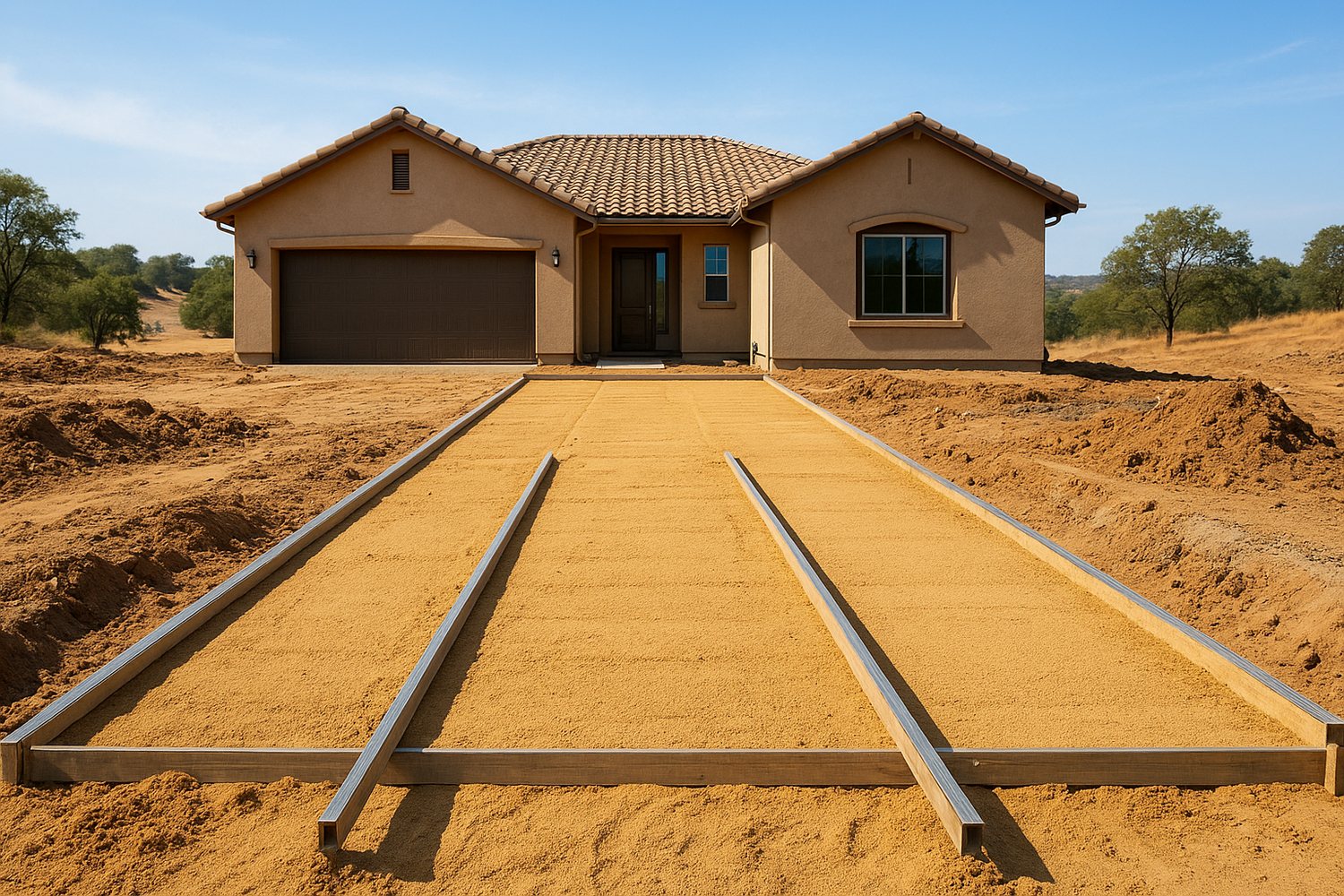
Why Sand Choice Matters for Paver Hardscapes
The sand under and between your pavers does more than you might think. Here’s why the right type matters—and how the wrong sand can lead to big problems.
Not all sand is created equal when it comes to building beautiful, lasting hardscapes. Choosing the right material prevents headaches down the road.
The Hidden Role of Sand in Hardscape Projects
You might not give much thought to the sand beneath your patio or walkway, but it’s working hard behind the scenes. The right sand stabilizes pavers, supports weight, and allows for just enough flexibility to handle daily use. When you walk across your patio, it’s the sand layer distributing that load—protecting both your pavers and the base below.
For homeowners across Rocklin, Granite Bay, and nearby communities, soil quality and water movement make sand choice even more important. Inconsistent or waterlogged sand can wash away or become a haven for weeds or ants. Picking sand that works with your soil and local climate helps your investment last.
Many hardscape issues, from uneven patios to shifting pavers, often trace back to the wrong type of sand. The lesson: material selection is not just a detail, but a decision that shapes the life and look of your outdoor spaces.
- Stabilizes pavers across seasons
- Prevents weed and ant infestation
- Helps water drain properly
For more tips and material advice, visit ourSand for hardscapespage.
Why Not All Sand is Alike
Contractors and DIYers might think sand is just sand, but that’s far from true in hardscape projects. The sand used under and between pavers should have specific grades and qualities. Washed concrete sand is different from fine masonry sand, and neither matches playground or fill sand found at home centers.
If you use sand with grains that are too fine, they compact poorly and shift under pressure, leading to sunken or wobbly pavers. On the other hand, overly coarse or unwashed sand won’t lock in place and can allow water to undermine the base. Local soil conditions in Placer and El Dorado counties make getting this balance exactly right.
Some sand types also contain clay, silt or organic debris, which can trap moisture and feed weeds. Understanding sand types helps you avoid later headaches—and loss of curb appeal.
- Masonry sand: too fine for longevity
- Fill sand: often unwashed, muddy
- Washed concrete sand: the stable, reliable choice
Paver Failures Caused by the Wrong Sand
Nothing ruins an outdoor investment faster than loose, rocking or separated pavers. The wrong sand choice is a common culprit. When subpar sand shifts, water can erode both the base and surface, weakening the installation. Small depressions soon become tripping hazards.
Fine sands and sands with excessive silt encourage weed growth between pavers, especially in our temperate Northern California climate. Left unchecked, these weeds force pavers apart and compromise the edge restraint required for a tight finish. Ant colonies also take advantage of these open seams.
In poorly-drained or clay-rich yards, sand that holds moisture can freeze and expand or simply wash away during seasons of heavy rain. Over time, this leads to settling, unevenness, and sometimes costly demolition and repair.
- Sunken or heaving pavers
- Persistent weeds and ants
- Premature base erosion
| Sand Type | Use | Pros | Cons | Best For |
|---|---|---|---|---|
| Washed Concrete Sand | Bedding Layer | Good drainage, stable | Requires correct compaction | Under pavers |
| Polymeric Sand | Joints | Weed/pest resistance, hardens with water | Needs proper installation | Filling paver gaps |
| Masonry Sand | Incorrect | Smooth, easy to sweep | Too fine, shifts easily | Not recommended |
| Fill Sand | Incorrect | Cheap, ample supply | Dirty, poor compaction | Not recommended |
| Play Sand | Incorrect | Uniform, soft feel | No interlock, attracts moisture | Not recommended |
Which Sand is Right for Northern California Hardscapes?
For most paver projects in Rocklin, Roseville, Folsom, and the Sierra foothills, washed concrete sand is recommended for the bedding layer. Its irregular granules interlock tightly but permit drainage, maintaining stability over time. For the joints—the gaps between pavers—polymeric sand provides durable weed resistance and hardens with moisture.
Homeowners should avoid generic fill or masonry sand. These do not compact as well and cannot withstand our region’s wet winters and scorching dry summers. Washed concrete sand is locally available and trusted by experienced contractors for this very reason.
Polymeric sand, when swept into joints after laying the pavers, will activate with water to seal the surface from weeds and pests while remaining flexible. Always follow manufacturer instructions for best results and long-term performance.
- Bedding layer: washed concrete sand
- Joint filler: polymeric sand
- Avoid play, fill, or masonry sand
How Climate and Soil Make Sand Choice Critical
Northern California’s mix of clay soils and changing weather makes sand selection especially important. In low-lying areas of Folsom or Auburn, poor drainage can cause fine or dirty sand to trap water, leading to instability. Hardscape sand needs to drain—but not migrate—with our seasonal rain.
Expansive clay soils shrink and swell, putting pavers under more stress than in sandy coastal areas. Compacted, angular-grain sand resists shifting as clay moves, which is why a bedding layer of clean, washed sand outlasts softer alternatives.
Local experience matters. Contractors who’ve worked through wet winters know which sand mixes withstand the elements. Cutting corners with the sand layer often leads to repairs after just one or two storm seasons.
- Use washed, angular sand for best compaction
- Watch drainage near slopes or retaining walls
- Consult local experts for soil-specific advice
Explore all your options with our complete list ofMaterialsfor hardscapes and outdoor construction.
What to Ask When Choosing Sand for Your Project
Not sure what sand your hardscaper plans to use? Asking a few key questions up front can save substantial hassle. Ask whether the sand is washed, what source it comes from, and whether it’s appropriate for both bedding and joint use.
It’s smart to request the product spec sheet or to see a sample before installation. Experienced teams in this region will use washed concrete sand as their bedding layer of choice. For joints, verify they are using polymeric sand for the best weed and pest resistance.
Remember, contractors like those at California Hardscapes can explain their sand selections based on Northern California’s unique soils and climate. Don’t be shy—quality professionals will welcome your interest.
- Is the sand washed and graded?
- What’s the source of the material?
- Is polymeric sand used in joints?
Signs It’s Time to Replace or Fix Sand Under Your Pavers
If you notice your pavers rocking, forming dips, or weeds pushing through joints, it may be time to inspect your sand layers. Early intervention can prevent wider failure and keep your outdoor spaces looking sharp. In Northern California, heavy rain and irrigation leaks accelerate sand washout and instability.
Look for visible gaps between pavers, standing water along edges, or ant activity in the joints. These are early red flags that the bedding or joint sand is failing—or may have been the wrong type initially. Professional contractors can often retrieve and replace sand without a full overhaul.
Promptly fixing joint and bedding sand preserves both the function and appearance of your investment. Homeowners should consider a yearly check, especially after major rains or extreme heat.
- Loose or rocking pavers
- Visible sand washout
- Increased weeds or ants
Getting the Most from Your Hardscape Investment
Choosing the right sand is a small detail that has a big impact. When bedding and joint sands are well selected, your patio or walkway looks sharp, performs reliably, and stands up to local weather year after year. For homeowners in Rocklin, Auburn, and surrounding communities, this small step prevents future repairs and frustration.
Partner with contractors who have a track record of using the correct materials for our region. It’s worth asking about their experience—and the types of sand they prefer—so you know your project’s hidden layers are built to last.
If you have questions about your options or suspect a past project used the wrong materials, a consultation can quickly pinpoint issues and prevent bigger problems. The right materials save both time and trouble over the long term.
- The right sand lasts longer between repairs
- Local expertise makes a difference
- Routine checks keep hardscapes safer
Not sure which sand is right for your project?Request a consultationwith California Hardscapes for practical, experienced advice.
Planning a materials project?
Call or text 916-741-0633, or email sales@californiahardscapes.com with your address, a short description and a few photos, and we will arrange a consultation.