8 Subtle Signs Your Yard Has a Drainage Problem
Homeowners in our region can spot landscape drainage issues early with these telltale signs. Noticing problems now helps prevent bigger headaches later.
In our local climate, hidden landscape drainage problems can cause costly damage before you even notice them. These eight red flags will help you spot trouble early.
Persistent Standing Water After Rain
The most obvious sign of poor yard drainage is water pooling in low spots long after a storm has passed. In Rocklin, Roseville, and nearby areas, our hardpan soils don’t absorb water quickly. This can leave puddles or soggy ground in your lawn or planters, especially after heavy winter rains.
While some small puddles are common after watering or storms, pay attention if the same areas stay mucky or waterlogged for more than a day. Standing water is more than a nuisance: it compacts soil, damages plant roots, and can attract mosquitoes.
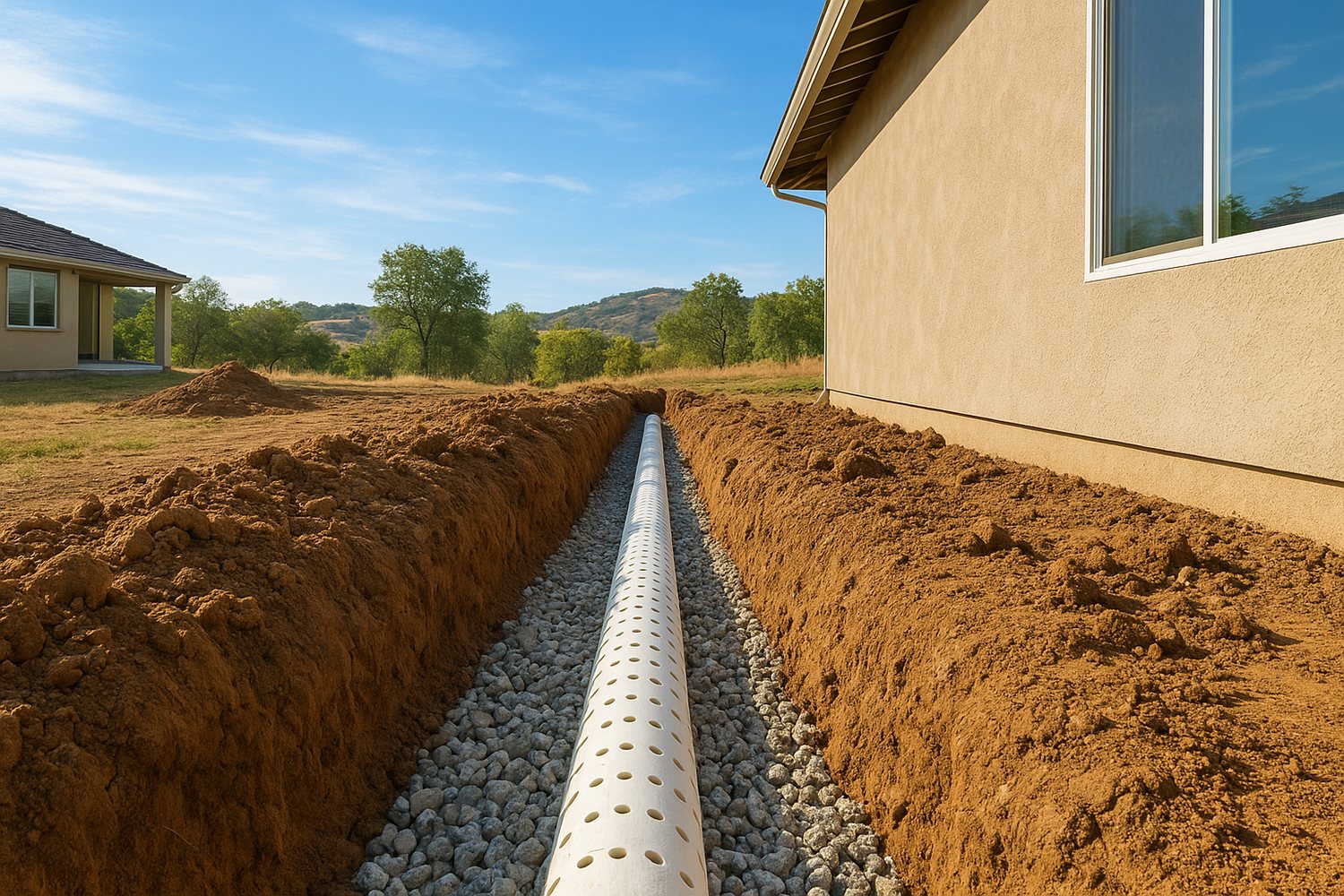
Persistent wet patches mean water isn’t draining as it should. Creating swales, installing French drains, or re-grading an affected area are common landscape drainage solutions Marty and the team have seen work locally.
- Water remains on the surface for 24+ hours
- Grass feels soggy or spongy underfoot
- Plants in the area may wilt or rot
Want to learn more? See ourLandscape drainage solutionspage for details tailored to the local area.
Water Stains Along Home or Patio
If water regularly flows toward your house or patio, you may see stains or signs of mildew on concrete or siding. These visible lines or discolorations form where water stands or repeatedly washes against outdoor surfaces.
In the foothill communities near Sacramento, directing runoff away from structures is key. Over time, repeated wetting can damage stucco, shift foundations, or create unwanted algae growth on hardscapes.
Check after storms or heavy irrigation for wet marks that linger higher up on walls, or green and dark gray patterns on concrete. These clues mean you should address drainage near vulnerable parts of your property.
- Discoloration or streaks on walkways or walls
- Algae or moss growth on patios
- Efflorescence (white deposits) in brick or masonry
Erosion and Exposed Roots
Visible soil movement after rain is another red flag. When water doesn’t soak in or flow properly, it may carry away topsoil, mulch, or decorative gravel from landscaped beds and pathways—especially on sloped properties.
Exposed plant roots, shallow ruts in plant beds, or bare patches where mulch used to be can all hint at unchecked water flows. In Granite Bay and Folsom, periods of intense rain make this a common seasonal problem.
Minor erosion is normal, but if you’re losing ground or roots are laid bare repeatedly, your yard likely needs better drainage control. Boulders, retaining walls, or stabilizing ground covers are practical fixes for many local landscapes.
- Bare roots at tree or shrub bases
- Soil or mulch collecting downhill
- Gullies or channels forming after storms
| Sign | Possible Cause | DIY Solution | Professional Solution |
|---|---|---|---|
| Standing Water | Compacted soil | Aerate, surface drains | French drain, regrading |
| Erosion | High-volume runoff | Add mulch, ground covers | Retaining walls, swales |
| Yellow Plants | Overwatering, poor drainage | Improve soil, adjust irrigation | Soil amendment, site redesign |
| Stained Walls | Runoff toward house | Clean gutters, extend downspouts | Install catch basins, grading |
Plants Struggling or Turning Yellow
Checking the health of your plants can give insight into yard drainage. If you notice leaves yellowing, wilting, or an increase in fungal diseases, it may be due to roots sitting in waterlogged soil.
Many landscape plants, especially Mediterranean varieties popular in Auburn and El Dorado County, need well-drained earth. Constant moisture prevents roots from getting air, leading to root rot and stressed vegetation.
Observe if problem spots correspond with soggy areas or visible pooling. If these symptoms are limited to certain parts of your yard, it’s worth investigating the local drainage pattern and considering professional advice.
- Patches of yellow or limp leaves
- Mushrooms or mold growing in lawn
- Unexplained plant decline despite proper care
Soggy or Sinking Patio and Walkway Areas
Hardscaped areas like patios and walkways are designed to shed water, not collect it. If you spot puddling on these surfaces or notice edges that appear to be sinking, excess water might be undermining the base material below.
In our local region, shifting or heaving concrete can be caused by repeated wetting and drying cycles. Over time, this not only damages your hardscape investment but can create trip hazards as surfaces become unlevel.
Investigate sunken spots, cracked grout, or “floating” pavers and flagstones after rainy periods. Addressing the underlying drainage problem often preserves both safety and appearance in your outdoor living areas.
- Subsidence or dips near patios
- Visible gaps at the base of walkways
- Cracking or lifting of concrete slabs
Explore your outdoor space’s full potential by browsing ourLandscapingoptions overview.
Mosquitoes and Unpleasant Odors
Persistent wet areas often attract pests like mosquitoes, which lay eggs in standing water. Even a shallow puddle left after watering or rain can be enough for these insects to breed, especially in the warmer months throughout Placer and Sacramento counties.
Besides pests, waterlogged soil can develop a musty, rotten egg smell due to anaerobic bacteria. If you notice strong odors in certain parts of your yard, it may be a sign of poor drainage causing a lack of oxygen below ground.
Both problems are not just nuisances—they can undermine your outdoor enjoyment and even your health. Eliminating persistent dampness is the most effective solution.
- Lots of gnats or mosquitoes near wet spots
- Foul, earthy, or sulfur smells in the landscape
- Dampness never fully dries up between rains
Driveway or Street Runoff Issues
Sometimes the source of your drainage trouble isn’t on your property at all. Water running onto your yard from driveways, roads, or uphill neighbors can create areas of excess runoff or pooling near entryways.
Watch for muddy strips or washouts along your driveway, or water flowing across sidewalks after only moderate rain. This is common in neighborhoods built on hillsides or near natural slopes.
Installing trench drains, adjusting grading, or adding catch basins are practical methods to handle incoming runoff and route it safely away from your home and landscaping.
- Erosion lines parallel to the driveway
- Water sheeting across sidewalks
- Heavy runoff accumulating near garage or entry
What to Do if You Spot These Signs
If you notice one or more of these drainage warning signals, don’t ignore them. While some fixes are simple DIY projects, others may call for professional assessment to prevent significant property damage.
Take photos of problem areas during and after storms; look for patterns on both sunny and rainy days. Be ready to provide details if you consult a landscaping professional—they’ll be able to recommend solutions that suit your yard’s specific soil and slope conditions.
Drainage matters just as much as plant selection for the lasting health and beauty of your property. Prompt action leads to less mess, lower repair costs, and preserves your investment in the outdoor spaces you enjoy.
- Document problem areas in all seasons
- Consult with pros for persistent issues
- Address drainage early for best results
Ready for a yard that handles rain with ease?Request a consultationwith the California Hardscapes team today.
Planning a landscaping project?
Call or text 916-741-0633, or email sales@californiahardscapes.com with your address, a short description and a few photos, and we will arrange a consultation.