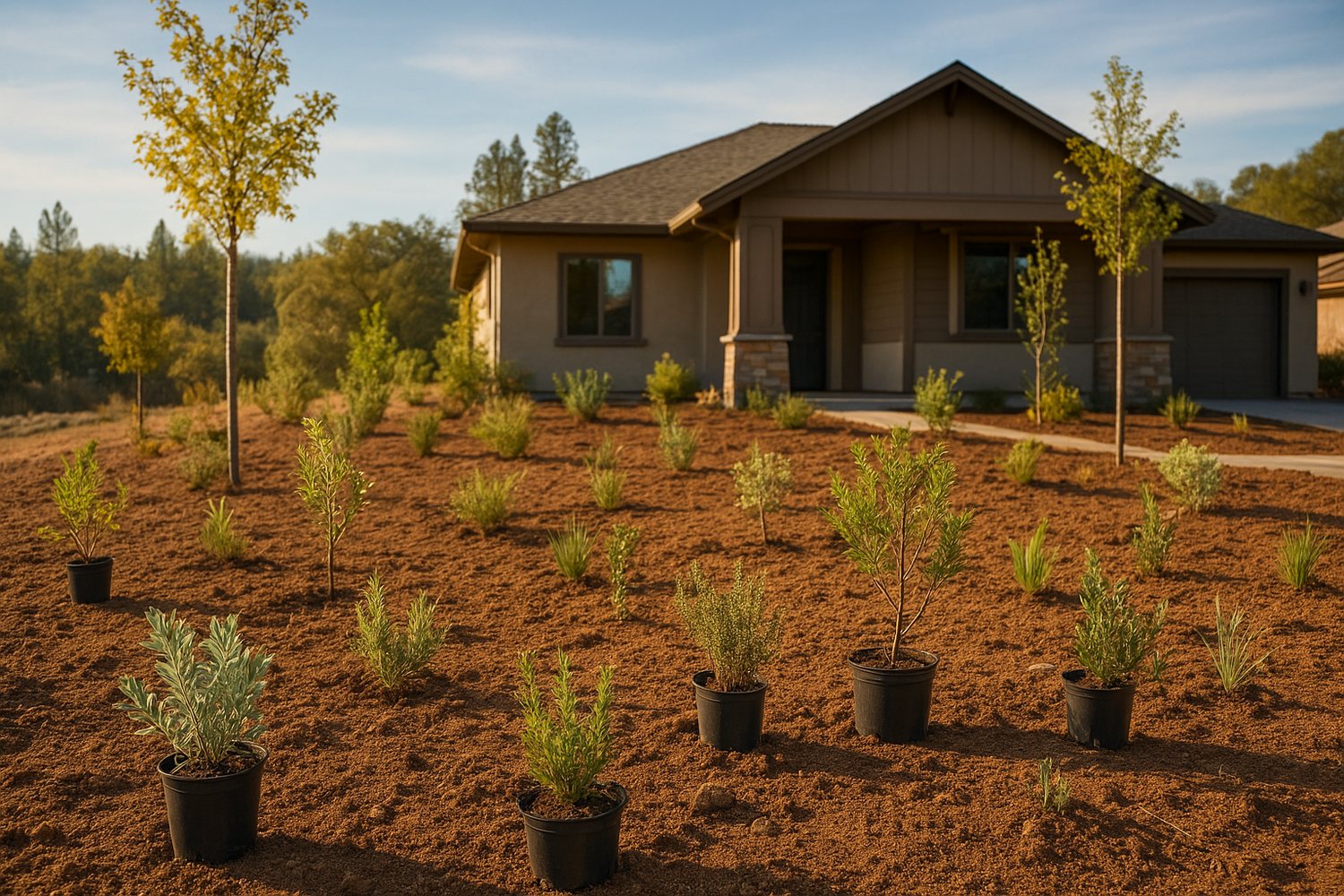
Why Fall is the Best Time to Plant California Native Gardens
Learn why fall is the ideal season to plant California native gardens, with practical steps for homeowners in Rocklin, Roseville, Granite Bay, Folsom, Auburn, and surrounding areas.
Thinking about a native plant garden? Fall’s unique climate and soil conditions in Placer and Sacramento counties make it the prime time to get started.
Why Natives? Benefits for Local Homeowners
Native plants are well-adapted to California’s Mediterranean climate, which means they thrive with less maintenance and water than traditional lawns or non-native ornamentals. For homeowners in towns like Rocklin and Folsom, this translates to less work and more resilience during hot, dry summers.
Going native isn’t just practical—it’s smart for your landscape budget and the environment. Native gardens provide essential habitat for birds, butterflies, and pollinators, all while reducing the need for fertilizers, pesticides, and regular irrigation.
By choosing plants that are adapted to the soils, rainfall patterns, and weather extremes in the region, you’ll create an outdoor space that stays attractive year-round. It’s a solution that works in harmony with the local ecosystem, making your garden easier to enjoy for years to come.
- Lower water bills
- Attract local wildlife
- Less mowing and pruning
- Reduces need for chemicals
For more details on creating a successful native landscape, check out our mainCalifornia native plant gardenspage.
Understanding Fall: Nature’s Window for Planting Success
Fall is a sweet spot for planting in Placer, Sacramento, and El Dorado counties. Cooler air and still-warm soil help new plants get established before the stress of summer heat. Unlike spring, when temperatures can soar quickly, fall’s milder weather means less shock to young roots.
Timing your planting for autumn takes advantage of seasonal rainfall, which gives young natives a head start before the next dry season. This is especially important for species that go dormant or slow down growth during hot months.
Plants rooted in fall develop extensive underground systems over winter, making them sturdier and less dependent on supplemental watering. It’s a natural boost for survival, especially in communities that experience summer watering restrictions.
- Soils stay warm after summer
- Rainfall supports root growth
- Lower transplant stress
Choosing Plants that Truly Belong
Selecting the right native plants is key. For the Rocklin and Granite Bay area, focus on species naturally found in local foothills and valleys. Popular choices include Ceanothus (California lilac), manzanita, salvias, and native grasses like deergrass or fescue.
Think about sun, shade, and water needs when planning your garden’s layout. California natives vary widely in form and size, from flowering shrubs to wildflowers and sturdy groundcovers. Match the plant’s preferences to your property’s conditions for the best results.
When in doubt, visit local nurseries or ask landscape professionals familiar with the region’s soils and microclimates. Their experience can help you select species that avoid common issues like root rot or pest sensitivity.
- Ceanothus: vivid blue flowers, likes sun
- Manzanita: striking bark, drought hardy
- California fuchsia: attracts hummingbirds
| Planting Season | Root Growth | Water Needs | Stress Level | Establishment Success |
|---|---|---|---|---|
| Fall | Strong | Low after first year | Lowest | High |
| Spring | Moderate | Higher first summer | Medium | Medium |
| Summer | Weak | Very high | Highest | Low |
Soil Prep and Site Strategies for Fall Planting
Native plants aren’t fussy, but they do best when you mimic their natural environment. Start by loosening compacted soil and removing weeds, which compete for water and nutrients. Some natives prefer slightly rocky or gravelly soil, so amending with sand or gravel may help in heavy clay areas.
For slopes or uneven ground often found in Auburn or Folsom, think about erosion control. Mulching with shredded bark or gravel preserves moisture and stabilizes soil through winter rains, reducing runoff and weed growth.
Avoid over-fertilizing. Most native species thrive in low-nutrient soils and can suffer if given too much rich compost. A light layer of mulch and a good initial watering is usually all that’s needed for fall establishment.
- Test soil drainage first
- Mulch for moisture retention
- Limit compost and fertilizer
Establishment: Watering and First-Year Care
Even drought-tolerant natives need regular watering for the first one or two years, especially during dry autumn spells. Water deeply but infrequently to encourage roots to grow down into the soil, making your plants stronger.
Monitor rainfall through fall and winter. If natural precipitation is lacking, supplement with manual watering, but gradually taper off as roots mature and spring approaches. By the second summer, most established natives require little to no irrigation.
Mulching around new plants keeps soil moist and cuts down on weeds. Avoid mulch that touches the stems or trunks directly, as it can cause rot. Basic hand weeding and removing spent flowers helps keep new plantings tidy without extra chemicals.
- Deep watering establishes roots
- Check soil moisture weekly
- Most natives stop needing water by year two
Explore other ways to transform your yard in our completeLandscaping optionsoverview.
Avoiding Common Missteps in Local Native Plant Gardens
One of the most common mistakes is planting at the wrong time. Spring planting can work, but exposes young natives to intense summer heat before they’re established. Fall’s milder weather usually leads to much greater success.
Overwatering and over-amending soil are other frequent pitfalls. Native plants are adapted to dry summers and lean soils—too much water or rich compost can stunt their growth or encourage pests.
Choosing non-local native species may sound harmless, but it can introduce plants that don’t thrive in our microclimates. Always check that your selections are suited to Rocklin, Roseville, and nearby communities, not just California in general.
- Don’t use heavy fertilizers
- Avoid daily watering once established
- Ask about truly local native varieties
Planning Beyond Plants: Paths, Hardscape, and Lighting
Integrating hardscape—like pathways, seating, or retaining walls—can make your native garden more functional and enjoyable. Strategic edging separates planted areas from foot traffic and helps weeds at bay.
Consider how outdoor lighting adds evening ambiance and highlights favorite features without disturbing local wildlife. Low-voltage systems minimize energy use and can be adjusted seasonally as your garden evolves.
Incorporating gravel or decomposed granite pathways prevents compaction while blending visually with native plantings. A balanced mix of plants and hardscape turns your yard into a practical, low-water outdoor living space all year.
- Gravel or flagstone for paths
- LED landscape lights for efficiency
- Retaining walls support slopes and soil
Next Steps for Your Fall Native Garden Project
If you’re planning a native garden this fall, start with a visit to a local nursery or consult with a professional who understands the specific needs of Placer, Sacramento, and El Dorado counties. They can help with plant selection, layout, and practical tips.
Take stock of your property’s sunlight, soil, and slope. Sketch a rough plan before digging—this ensures each plant goes in the best possible location. Divide big projects into manageable phases for easier, more enjoyable progress.
Fall is the ideal window to set your California native garden in motion. With good planning and realistic expectations, you’ll have a thriving, low-maintenance landscape for years ahead.
- Start with a soil test
- Group plants by water needs
- Add mulch as soon as you plant
If you’re ready to talk through your fall project ideas,request a consultationwith our team today.
Planning a landscaping project?
Call or text 916-741-0633, or email sales@californiahardscapes.com with your address, a short description and a few photos, and we will arrange a consultation.