Landscape Irrigation Systems: Done Right
An irrigation system is the silent backbone of any healthy landscape in Placer, Sacramento, and El Dorado counties. Choosing the right set-up makes all the difference in water savings, plant health, and day-to-day ease.
Why Your Home Landscape Needs Good Irrigation
Best for: Best for homeowners who want lasting plant health, efficient water use, and a system built for local conditions.
Without a proper irrigation system, even the most robust planting design in our region will struggle to survive. Placer and surrounding counties see intense summer heat, extended dry spells, and clay-rich soils that can swing from slick to brick-hard after a rain. Relying on hand watering or makeshift hoses almost always leads to stressed lawns, dying shrubs, and wasted water.
Investing in a well-designed irrigation system means your landscape gets consistent, reliable moisture exactly where and when it’s needed most. Automated, zoned watering gives you flexibility—adapting to different plant groups, sun exposures, and soil types across your property. Today’s smart controllers and advanced valves provide truly hands-off convenience, while saving water and supporting strong root systems.
Of course, irrigation systems aren’t something you throw together. Quality installation is as much about protecting your house, concrete, and fences as it is about growing plants. With decades in concrete, landscaping, and outdoor living, our approach is simple: no corners cut, ever. We plan every run, valve, and controller as if it were our own landscape—right down to water pressure and city code details. Our philosophy: We don’t compete on being the cheapest. We compete on quality, integrity, and results that exceed expectations.
Design Options for Residential Irrigation
Drip Irrigation
Drip irrigation uses low-pressure lines to deliver water directly to roots through small emitters or ooze tubing. It’s the top choice for shrub beds, trees, vegetable gardens, and foundation plantings—greatly reducing evaporation and runoff. Systems can be highly customized, and repairs or changes are usually straightforward.
Micro-Spray Systems
Micro-spray irrigation uses small spray heads or mini-rotors to cover groups of perennials, groundcovers, or small shrubs. Aim for areas where uniform, gentle coverage is needed but full-sized sprinklers would over-water. Micro-spray is also a wise pick around stepping stone paths or in beds where drip isn’t practical.
Rotary and Pop-Up Sprinklers
Lawn zones and groundcovers often call for rotary or pop-up sprinkler heads. These are set for broader, adjustable coverage and can be arranged in tight or open patterns. Correct zoning is key: grass, shrubs, and flowers have different needs, so grouping heads and zones by plant type allows dialed-in watering depths.
Smart Weather-Based Controllers
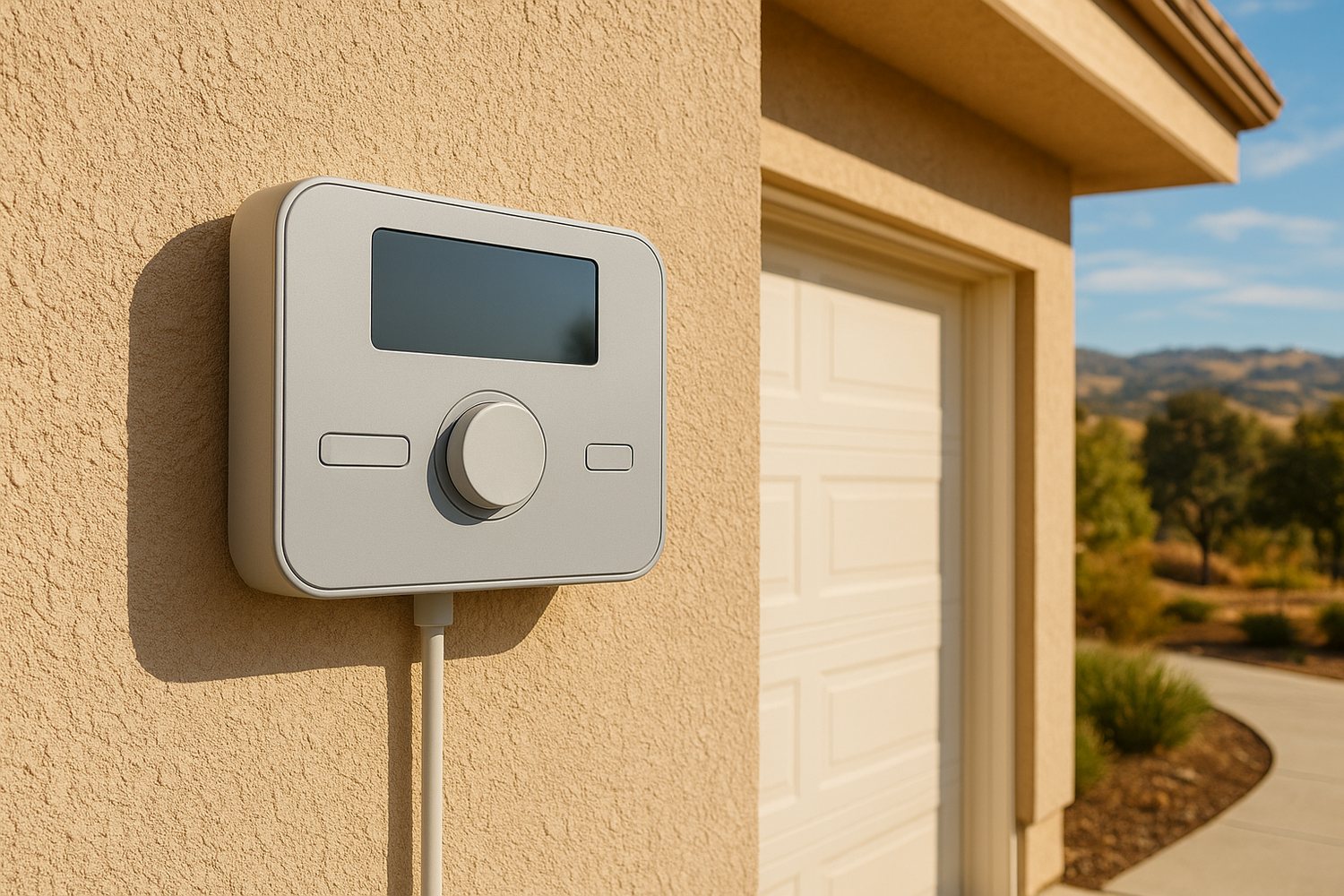
Modern controllers adjust run times automatically based on real-time weather, seasonal changes, and even plant types. These smart boxes connect to Wi-Fi or weather sensors, reducing overwatering and maximizing efficiency, especially as our climate grows less predictable. Many can be controlled via phone app, offering easy scheduling and monitoring.
Irrigation Valves and Backflow Devices
Valve manifolds segment your yard into zones, each running independently. A backflow preventer is required by code to prevent contaminated water from flowing back into your home’s supply. Quality valves, clean installations, and rigid compliance with local codes protect both your landscape and your drinking water.
Retrofit & System Upgrades
Don’t settle for dated, inefficient setups. Upgrading older systems—adding pressure regulation, high-efficiency heads, or a smart controller—can cut annual water use dramatically. Our team specializes in tie-ins, zone splits, and careful retrofits to bring older yards up to modern water-saving standards.
How a Quality Irrigation System is Built
A premium irrigation system is only as good as the planning and craftsmanship behind it. Each step must factor in soil type, plant selection, slope, existing utilities, and city or HOA requirements. Below is the sequence a meticulous, experienced crew will follow to give your landscape the irrigation backbone it deserves.
- Mark and verify all utility locations (call 811) and layout trenches according to the irrigation plan, ensuring proper separation from tree roots, hardscape edges, and other underground lines.
- Excavate trenches and set the subgrade: the trench depth and width will depend on pipe type and code, factoring for winter freeze protection where relevant. Clay or decomposed granite soils may require deeper or wider excavation.
- Install a gravel or sand base if needed in poor drainage areas, helping keep pipes level, protected, and free from future settling or pinch points, particularly in heavy clay zones.
- Place and secure all main lines, zone lateral pipes, and control wires. Fit quality valves, install the backflow device per code, then pressure test all lines for leaks before backfilling.
- Mount and wire the controller in a suitable location. Carefully connect and flush pipe runs, then install sprinkler heads, drip lines, or micro-sprays, making field adjustments for proper coverage, alignment, and zoning.
- Program all zones for initial runtimes, calibrate for pressure and output, and test coverage on every head and emitter. Train the homeowner on manual, seasonal, and weather-based adjustments.
- Clean up, compact soil over trenches, and restore lawn or mulch, ensuring all valve boxes and heads are set to grade and free of tripping hazards. Provide written as-built maps and basic care instructions.

Pros & Cons: What to Weigh Before Installing
Strengths
- Provides targeted, timed watering—essential in hot, dry summers and tight water budgets.
- Reduces manual labor and minimizes risk of underwatering or oversaturating key plants.
- Modern smart controllers maximize efficiency, adjust for rain or drought, and save money on water bills.
- Divides landscape into zones, letting you match water delivery to plant needs and sun exposures.
- Properly installed systems prevent runoff, soil erosion, and water intrusion near concrete, patios, or the foundation.
Trade-offs
- Initial installation—especially for retrofits or complex landscapes—can be significant, reflecting materials and labor required for a system built to last.
- Drip and micro-spray emitters can clog over time, requiring periodic checks and flushing, especially with hard water or silty well water.
- Smart controllers and advanced valves add up-front cost and require a learning curve for homeowners unfamiliar with technology.
- Landscape changes (tree removal, bed expansions, or hardscape updates) may require future modifications to existing zones and lines.
What Affects Cost—And Why It’s Not Worth Cutting Corners
The price of an irrigation system reflects much more than just materials or square footage. Premium installations account for precision planning, experienced labor, local code requirements, and challenging site conditions. Every shortcut—cheap pipe, shallow trenches, or skipped backflow—can lead to broken lines, foundation damage, or steep fines down the road. With irrigation, like all our work, we build as if it were our own family’s landscape.
- Total irrigation area—lawns versus discrete beds, large yards versus small areas.
- Number and type of zones needed for distinct plant types, sun exposures, and slopes.
- Site conditions: rocky soils, existing trees, or tight access can require extra labor.
- Selection and quality of smart controllers, valves, and backflow preventers.
- Retrofitting needs: updating from manual hose, splitting existing zones, or correcting poor pipe layout.
- Local city, county, and HOA rules that may impact complexity or require specific materials.
Maintaining Your Irrigation System for the Long Haul
Regular maintenance is key for any irrigation system. Check emitters, sprays, and valves at the start of each season, clearing out debris and checking for clogs—especially in areas with hard water or wind-blown mulch. Walk your zones after any landscape changes to make sure coverage is still tuned for plant growth. Modern controllers make seasonal adjustment easy, but it’s still wise to verify runtimes as summer heat rises or when rain becomes scarce.
Drip and micro systems will perform for 10–20 years in this region if cared for. Expect to replace a few emitters or heads every few years and to test backflow preventers annually. Unlike hardscape, you don’t reseal irrigation, but winterizing or draining lines can add life—especially in foothill freeze areas. Lifespan is longest where installation avoids tree roots, lines aren’t pressed into hard clay, and smart planning limits future digging or trenching over the system.
Compare other options
Landscape drainage solutions
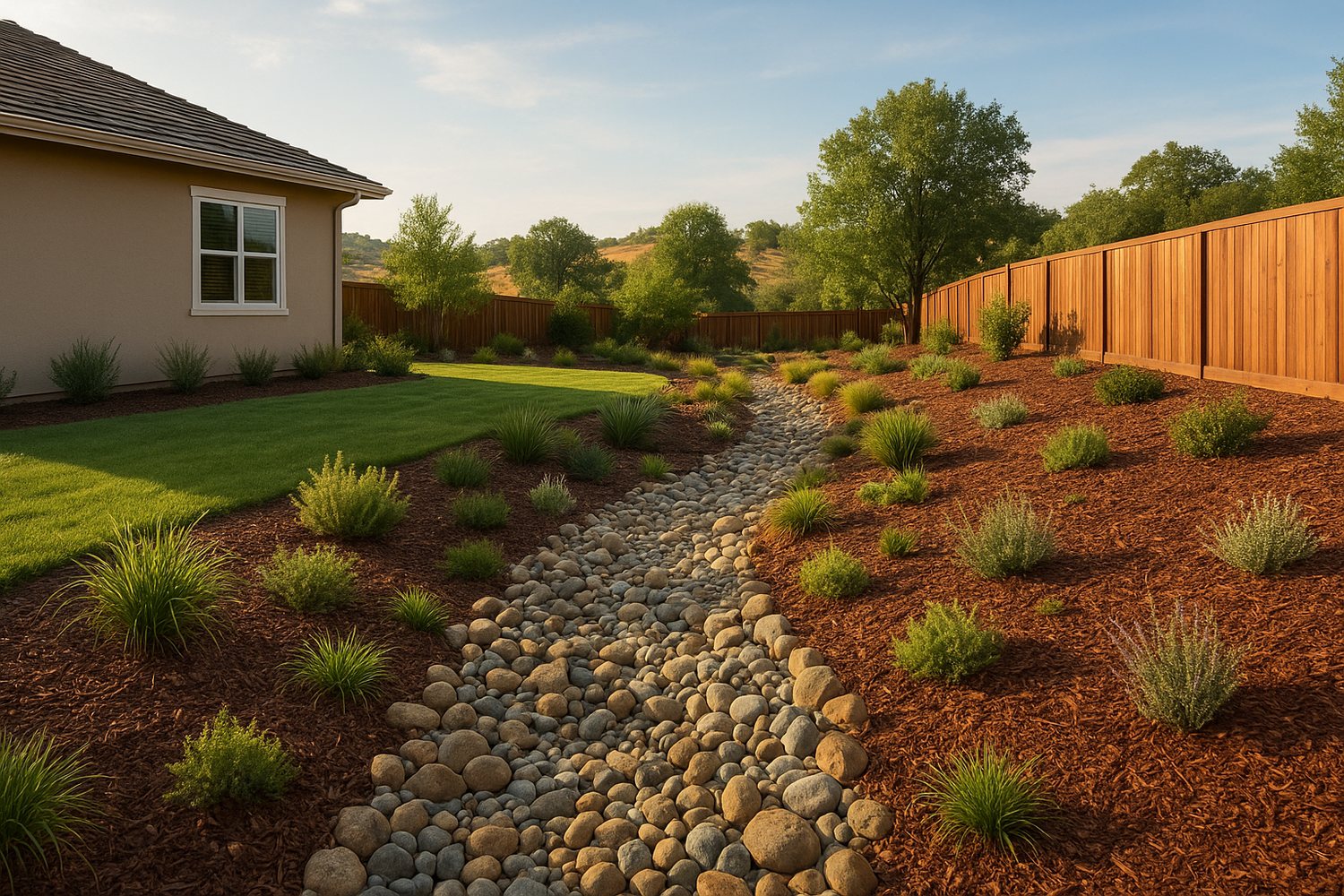
Explore top landscape drainage solutions for Rocklin, CA & nearby areas. Grading, swales, French drains, dry wells & more. Reliable, honest advice here.
Explore →
Fire-wise landscaping
Explore premium fire-wise landscaping for Rocklin, Roseville & nearby foothill homes: defensible space, hardy plants, hardscape buffers, expert tips.
Explore →
Backyard landscaping
Explore expert backyard landscaping in Rocklin. Detailed guide: planting, privacy, shade trees, play & garden areas, upkeep, honest pros & cons.
Explore →Smart Homeowners’ Irrigation Questions, Answered
What’s the difference between drip, micro-spray, and sprinklers?
Drip irrigation sends water slowly and directly to roots using emitters—ideal for individual trees, shrubs, and beds. Micro-spray covers small areas with a gentle mist, often used where drip coverage isn’t practical, particularly with dense groundcovers. Sprinklers disperse water over wider, open areas like lawns. Each has strengths; most quality systems use a mix, matching zone type to plantings for balanced growth and minimal waste.
How do smart controllers help save water?
Smart controllers use weather data, soil sensors, or evapotranspiration rates to automatically adjust watering schedules. They shorten run times during cool, damp spells and add time in heat waves, all without manual changes. Many sync with your phone for remote monitoring, allowing real-time adjustments if you’re away from home. For our unpredictable regional climate, this is one of the best water-saving tools available.
Do I need a backflow prevention device?
Yes—California code requires a backflow preventer on all irrigation tie-ins. It’s a critical safety device, protecting your drinking water from fertilizer, dirt, and other contaminants. Local rules may specify different allowed device types depending on your property’s setup, and annual checks may be required by your city or county.
Can I retrofit my older landscape with a new system?
Absolutely. Licensed, bonded and insured contractors regularly upgrade or add to older irrigation setups, splitting zones, replacing failing pipes, and integrating smart controls to replace manual timers. Retrofit jobs are more complex than fresh installations—especially around roots, structures, or hardscape—but with careful planning, most older systems can be made efficient and compliant with current codes.
How often will I need to check or maintain my irrigation system?
Give your system an annual checkup at minimum: inspecting heads, flushing drip lines, and adjusting runtimes for new plant growth. In areas with mineral-rich or hard water, clean or change emitters and valve parts as needed. It’s also wise to inspect before major seasons—especially before summer and after heavy winter rains.
What about hard water and mineral buildup?
Our local water—especially wells and older city systems—can be tough on irrigation gear. Over time, minerals clog emitters and stress valve parts. Drip systems are the most sensitive, but micro-sprays and even pop-ups aren’t immune. Regular cleaning, installing filters, and choosing higher-grade components can help extend your system’s lifespan.
Do I need to winterize my system in this area?
In valley areas, most irrigation pipes are safe from winter freezes, but systems at higher foothill elevations or with shallow lines should be drained or insulated in late fall. Shut off the main supply, open valve boxes, blow out exposed lines if needed, and check again each spring for cracked parts or leaks.
Is HOA or city approval needed?
Often, yes. In many newer neighborhoods and all unincorporated areas, landscaping—including irrigation—falls under HOA or county review. It’s wise to check your local codes and HOA guidelines before installation. Cities may require specific backflow devices or licensed contractors for tie-ins. We review these factors with each homeowner during planning.
Ready for an Irrigation System Tailored to Your Landscape?
Email sales@californiahardscapes.com with your address, a short description of your project and a few photos. We’ll reply with expert, no-pressure guidance.