Backyard Landscaping for Outdoor Living: Planting, Privacy, and More
Transform your backyard into a personal retreat with professionally designed landscaping. Build an outdoor space that works for your lifestyle—whether entertaining, relaxing, playing, or just enjoying a bit of privacy.
What Does Backyard Landscaping Really Mean?
Best for: Backyard landscaping is best for homeowners who want a lasting, functional, and beautiful outdoor space—built right from the beginning.
Backyard landscaping isn’t just about planting a few shrubs or rolling out new lawn—it’s about shaping a whole outdoor environment that fits your family’s needs and works with your property’s unique traits. At California Hardscapes, we design and build landscapes that elevate everyday living, enhance property value, and solve practical issues like privacy, erosion, and overheating patios.
A well-planned backyard combines planting, hardscape, and thoughtful design choices. Picture layered greenery for year-round color, shade trees to cool sunny patios, and plantings along fencing that screen views and soften the yard’s edges. Add defined areas—garden rooms for quiet mornings, or turf zones for kids and pets. Done right, every element looks effortless but is deliberately planned for sun, soil and long-term resilience.
For over 30 years, our team has built landscapes around patios, pools, outdoor entertaining spaces, and gardens all over Rocklin, Roseville, Granite Bay, Folsom, Auburn and nearby foothill communities. We operate on a simple principle: no cutting corners, ever. Our work is built as if it were our own home—with quality, integrity, and attention to every step, start to finish.
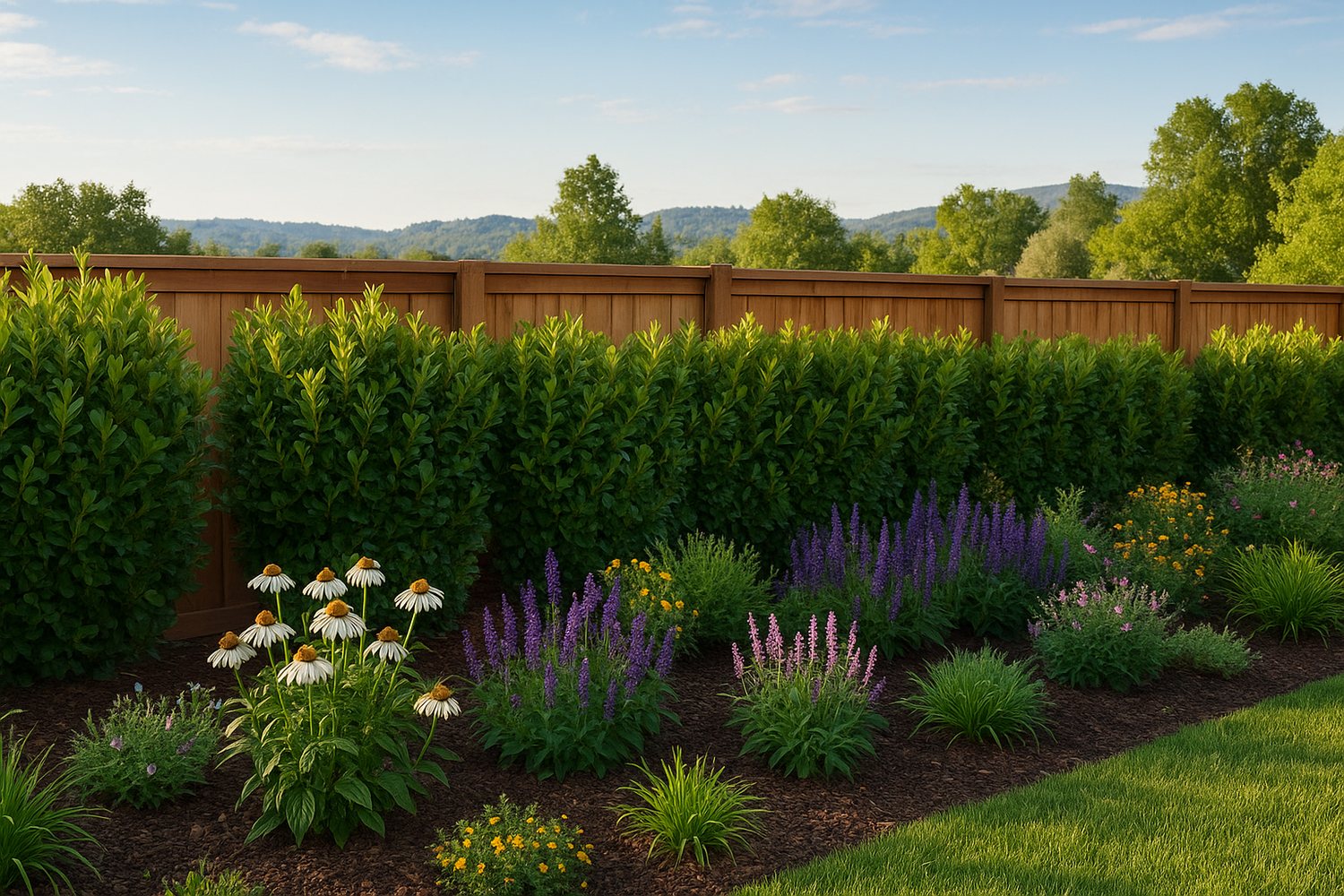
Six Key Elements of Backyard Landscaping to Consider
Planting Zones Near Patios and Pools
Choosing heat-tough, low-shed plants around patios and pools helps minimize maintenance while keeping the space lush. Raised beds or strategic borders soften paving edges and can act as natural splash guards or seating enclosures. We select plants that handle local sun, clay soils and dry cycles for project longevity.
Privacy Screening Greenery
Whether you want to block neighboring views or buffer street noise, living screens offer natural privacy. Evergreen shrubs, dense bamboo, or layered trees/hedge plantings each have their pros—maintenance, speed to maturity, water needs. Smart spacing matters for airflow and long-term plant health.
Shade Trees for Comfort
Careful placement of drought-adapted shade trees can drop patio temperatures by 10–20°F in summer. Consider canopy size, root spread, and deciduous or evergreen traits. In our region, compact oaks, Chinese pistache, or crepe myrtle often work well. Deep watering and root barrier installation increases long life and protects paving.
Garden Rooms and Zones
Garden rooms divide your yard into purposeful spaces—relaxing, dining, play, or even meditation. These zones can be segmented by trellises, shrub massing, seat walls, or changes in surfacing. Good design lines guide how you move and use the space, and offer changing views through the seasons.
Children’s Play & Activity Areas
Dedicated turf, play mulch, or synthetic lawn gives children a safe space to run and explore that’s separate from plantings and entertaining areas. Choosing the right surface depends on sunlight, drainage, and how much foot traffic the area will get. Play areas can be creatively screened from adult zones but still within sight.
Entertaining and Outdoor Dining Spaces
Well-planned entertaining spaces depend on how you like to gather—open patios for larger groups, tucked-in fire pit nooks for night, kitchens or bar set-ups. Landscape plantings provide windbreaks, privacy, ambiance, and help define transitions between activity areas while making maintenance easier.
How Quality Backyard Landscaping Gets Built
Landscaping is as much about groundwork as what grows above it. Rocklin and the foothills offer unique challenges—expansive clay, sloping grades, hardpan, oaks and tough heat. Our builds follow a proven stepwise process, always using experienced, licensed, bonded, and insured contractors. Here’s how a top-tier backyard landscape is constructed:
- Site prep and subgrade: First, we survey the site, strip out weeds and debris, and grade for proper drainage away from patio slabs, pools and house foundations. This step prevents ponding and future settling.
- Base installation: For planter beds, decomposed granite or drainage rock is placed below rich topsoil; for hardscape, a compacted crushed rock base supports pavers, steps, or walls, minimizing movement over time.
- Form setting: Borders, pathways, beds, and mowing strips are defined using steel, concrete, or composite edging—giving clean separation between lawn, mulch, and planting areas. For patios, forming sets the structure’s shape and elevation.
- Reinforcement and irrigation: For hardscape edges or walls, steel rebar may be added; all planting zones are mapped for drip irrigation or bubblers, tailored to each plant’s needs, and future coverage.
- Planting and mulching: Trees, shrubs, groundcover, and perennials are planted per plan. Planting holes are amended for drainage or root development as needed. Organic mulch is spread for moisture retention and weed prevention.
- Finishing and lighting: Walkways, patios, or steps are swept, topsoils are leveled, and low voltage lighting may be installed for safety and ambiance. Each system is adjusted for full coverage and best presentation.
- Curing and aftercare: Initial deep watering and soil settling takes place; plantings are checked after the first week and month. Early maintenance ensures plants establish and synthetic turf or mulch settles evenly.

Advantages and Trade-Offs: Backyard Landscaping in Placer & Sacramento County
Strengths
- Transforms underused yards into tailored spaces for entertaining, relaxing, or play.
- Helps buffer neighbors and noise, enhances privacy and shade for outdoor comfort.
- Reduces environmental impact compared to lawn-only yards, often lowering water use with the right planning.
- Adds long-term property value and curb appeal, especially with established trees and functional zones.
- Careful horticultural choices and smart watering design mean less ongoing maintenance and higher plant health.
Trade-offs
- Initial cost can be significant, especially for large lots or mature trees, compared to basic lawn or mulch jobs.
- Plant establishment takes months to years—expect some patience for full maturity, privacy, or shade.
- Landscaping is not a set-and-forget investment: upkeep, irrigation checks, and seasonal pruning are needed.
- Design missteps with poor drainage, root placement, or wrong plant choices can create ongoing problems and cost.
Understanding the Cost of Backyard Landscaping Projects
The cost of transforming a backyard is shaped by what you want to achieve and the specific conditions on your property. While upfront investment can be higher than a simple lawn redo, quality landscaping—done right—lasts decades and pays dividends in comfort, beauty, and resale value. Honest cost discussions consider all aspects: design complexity, plant and material quality, preparation work, and long-term needs.
- Size and complexity of the landscaped area, including number of functional zones or specialty features.
- Type of planting (mature trees, large hedges, specialty perennials) versus smaller, container-grown starts.
- Quantity and type of hardscape elements (patios, seat walls, paths), materials selected, and custom work.
- Site conditions such as existing soil, drainage issues, slope correction, or the need to remove old features.
- Irrigation and lighting system design, number of sprinkler/drip zones, and technology level specified.
- Access to the site for equipment and material delivery—tight backyards or slope often increase labor costs.
How to Care for Your New Backyard Landscape
Every landscape needs regular attention to look its best and thrive through Rocklin’s tough seasons. Fresh plantings require more frequent, deep watering for the first year, tapering as roots establish. Seasonal pruning, deadheading old flowers, and fertilizing help your landscape build structure and color. For hardscapes and patios, regular sweeping and occasional washing will keep surfaces attractive. Synthetic turf or play mulch areas should be checked and fluffed, or topped off yearly.
Most planting beds benefit from new mulch every 18–24 months and occasional drip irrigation system checks. Resealing hardscape surfaces varies—every 2–5 years is typical depending on sun exposure, traffic, and local mineral-rich water. How long your landscape lasts depends on detail: plant choices, soil prep, irrigation, and ongoing care. Properly built and maintained, mature shade trees and well-matched plants thrive for decades, while hardscapes last as long as your home.
Compare other options

Drought-tolerant landscaping
Drought-tolerant landscaping Rocklin homes can rely on: Mediterranean plants, hydrozoning, mulch and drip irrigation built to last.
Explore →
Dry creek beds
Expert dry creek bed installation in Rocklin: river rock drainage, boulders, bridges, eco-friendly landscaping. Honest, practical, quality advice.
Explore →
Landscape renovation
Transform tired yards with quality landscape renovation in Rocklin, Roseville & nearby. New beds, irrigation, paths & lighting.
Explore →Backyard Landscaping: Frequently Asked Questions
How long does it take for a new backyard landscape to mature?
Most professionally planted landscapes start to fill out within a year, but shade, screening, and true garden structure usually take 2–5 years. The largest trees and hedges grow gradually—fast species or larger nursery stock will provide privacy or shade more quickly, though at a higher initial cost. Patience pays off with more natural results and healthier plants.
What are the most low-maintenance plants for Placer and Sacramento County backyards?
Drought-adapted, low-shed perennials (like salvia, lavender, manzanita, or daylilies) are top choices, as are native grasses, rosemary, and compact evergreens such as pittosporum or hop bush. Many modern tree cultivars have roots and canopies suited for small spaces but still provide ample shade when mature. Your final choices depend on your yard’s sunlight, soil, and intended style.
How do I keep my patio or pool free of plant debris?
Choose plants with minimal leaf drop and avoid fruiting or ‘messy’ species near high-use hardscape areas. Use beds or groundcover islands that catch what does fall before it reaches paving. Regular maintenance—sweeping, blower use, pruning—keeps everything looking fresh. Drip irrigation (not overhead spray) drops the chance of leaf mildew or staining paved areas.
Will landscaping fix my backyard drainage problems?
Good landscaping always addresses drainage up front—grading, soil prep, and careful water routing protects patios, pools, plantings, and houses from flooding or erosion. On steep or heavy clay sites, this may mean in-ground drains, dry riverbeds, or retaining walls. However, severe drainage issues may require site-specific engineering or additional steps outside standard landscaping.
How do I balance privacy and shade with HOA or city restrictions?
Most communities have rules about fence heights, tree placement, and ‘view corridors.’ Choose screening trees or shrubs with growth habits that meet height/width limits, and avoid protected oak root zones. Some HOAs require approval of plant types or shade structures. It’s best to review rules early and provide your landscape plan to your HOA or city for review—guidelines and approvals vary by address.
How do you protect existing oak trees or their roots when landscaping?
California native oaks need careful consideration—root disturbance or addition of soil/mulch within their dripline can severely weaken or kill them. We avoid planting thirsty species near oaks, use drought-adapted groundcover around the base, and never trench or compact soil near major roots. Coordination with arborists or city planners is advised for major work around oaks.
What kind of upkeep does a new backyard landscape really need?
For the first year, new landscapes—especially with young trees and shrubs—need regular deep watering, weed watch, and occasional pruning. As plants mature and irrigation systems are dialed in, maintenance moves to every few weeks: checking mulch, tidying, pruning, and inspecting irrigation or lighting. Clean patios and check for uneven settling periodically, especially after heavy rains or long heat spells.
Do I need a permit or city approval for backyard landscaping?
Basic landscaping (planting beds, lawns, most irrigation) seldom requires permitting, but city, county, or HOA review may be needed for new patio structures, retaining walls, fences over a certain height, or changes impacting drainage or protected trees. Always check with your local authority before starting; requirements can differ by neighborhood.
Ready for Honest Advice on Your Backyard Project?
Email sales@californiahardscapes.com with your address, a short description of your goals, and a few photos—our expert will review and help you decide your next step.