Metal Fire Pit Care: Responsibly Built for California Homes
A metal fire pit built by California Hardscapes is durable, beautiful, and designed for years of enjoyment. Like any outdoor feature, it benefits from the right care and maintenance.
Caring for Your Metal Fire Pit
Best for: Best for homeowners who appreciate lasting style and want a standout gathering space with honest performance, not just the lowest upfront cost.
A metal fire pit is more than a design statement. It’s a place for friends to gather, for evenings to be remembered, and for the California landscape to show its best side. Built strong for real life in Placer, Sacramento, and El Dorado counties, the fire pits offered by California Hardscapes combine purposeful design with serious durability—but even the best outdoor steel needs some attention to look and function its best over the years.
Routine cleaning and inspection add years to the life of any metal fire pit, whether it’s set in the sun of Granite Bay or the oak-dotted hills of Auburn. Ash left to accumulate traps moisture and can hasten rust, while debris from the countless dry, leafy seasons in our region needs thoughtful management. Seasonal weather—dry, dusty summers and sudden downpours—means that protection and occasional touch-ups are part of responsible ownership.
Some steel fire pits are designed to naturally develop a patina, blending into California’s palette while resisting deep corrosion when allowed to weather with proper care. Others may require more regular cleaning or refinishing depending on their exposure. Regardless of finish or style, homes here rarely see a true freeze for long—but even mild winters present unique care challenges. Smart maintenance today means more reliable evenings by the fire next fall, next year, and long after.

Your Metal Fire Pit: Design Choices to Match Your Space
Patterns & Laser-Cut Designs
Each fire pit can feature custom decorative patterns, from geometric cutouts to nature-inspired silhouettes. Pattern selection is discussed and finalized in your consultation, allowing the pit to express your home’s style—subtle or bold, modern or classic.
Steel Finishes & Patinas
Some fire pits are designed to intentionally weather for a protective and visually dynamic surface; others use more neutral or darker finishes. Finish options are tailored to your preferences and blend with other site features, chosen during consultation.
Edge Profiles
Edges can be rolled, squared, or custom-shaped for comfort and safety around the rim. Your choice of edge design balances hands-on use with the overall visual line of the fire pit.
Fire Pit Size & Footprint
Size options accommodate everything from intimate patios to large gathering spaces. Fire pit diameter, height, and depth are designed for your preferred seating arrangement, fuel capacity, and site constraints.
Integrated Features
Some fire pits include cut-outs for air flow or easy ash removal. Optional features like integrated log storage, spark screens, or proximity to built-in benches can be designed in, according to your needs and code requirements.
Mounting and Placement
Fire pits may be designed to sit atop your patio, partially recessed, or fully integrated into a hardscape. Placement is always discussed with attention to wind directions, seating, views, and local requirements.
How a Quality Metal Fire Pit Is Built
California Hardscapes projects include thoughtful planning and are built to professional standards with licensed, bonded, and insured contractors. The installation sequence for a built-in or site-set steel fire pit involves detailed groundwork and methodical steps, ensuring safety, performance, and longevity. Here’s how it unfolds:
- Subgrade Preparation: The area is cleared of plants, debris, and roots. The subgrade is compacted and leveled, and checked for proper slope away from buildings and drainage features.
- Base Installation: A stable compacted gravel or concrete base is set, sized to match the fire pit. This supports even weight distribution and helps prevent shifting or settling over time.
- Form Building: If the fire pit is integrated into hardscape, forms are constructed to define the shape and contain the concrete base or surround. For free-standing models, appropriate footing or pad is installed.
- Steel Placement and Reinforcement: The metal fire pit shell is carefully set or anchored in position. Reinforcement (such as rebar in concrete) is added around the pit as needed to tie into adjacent hardscape elements.
- Expansion Joints and Drainage: Where needed, joints and weep slots are installed in adjoining hardscape to manage expansion, contraction, and rainwater runoff. This protects your patio and the fire pit base.
- Finishing Work: Surrounding concrete or paver surfaces are finished, edges shaped, and gaps sealed as required. Care is taken to remove slag, dust, or metal shavings and leave the area clean and safe.
- Final Inspection and Clean-Up: The installation is reviewed for level, plumb, and clean fit. Surrounds are power-washed and touch-ups, sealing, or post-install detailing are completed before the work is considered done.

Weighing the Pros and Cons of a Steel Fire Pit
Strengths
- Exceptionally durable—built to handle heat, seasonal rains, and years of use.
- Low maintenance compared to many masonry fire pits; simple tools suffice.
- Modern designs with custom patterns and patinas create a true focal point in your yard.
- Portable or non-permanent installation options can be relocated if you refresh your layout.
- Less cracking, chipping or spalling than stone or concrete materials.
Trade-offs
- All steel will eventually weather or rust if left unprotected; this can be a design feature or a drawback, depending on taste.
- Ash and moisture can collect in the vessel, requiring regular cleaning—especially after heavy use or storms.
- Some city or HOA rules limit open burning or require set-back distances; wood-burning fire pits may need review or restriction.
- Steel can get hot to the touch and hold residual heat after use, requiring caution for families with young children.
Understanding What Influences the Cost
California Hardscapes takes pride in working through every detail—never cutting corners and settling design, size, and finish in person. Costs for a custom metal fire pit vary based on your vision and the unique factors of your property. No ballpark prices are published; instead, project discussions cover your goals, aesthetic preferences, and location challenges before a detailed estimate is provided.
- Size, complexity, and overall footprint of the fire pit and surrounding hardscape.
- Design details: custom patterns, cutouts, or decorative laser-work.
- Choice of location—ground level, recessed, or integrated into existing patios or new features.
- Preparation requirements: excavation, demolition of old concrete, and site leveling.
- Access to the site and any special needs (e.g., heavy equipment, tough-to-reach spots, slope adjustments).
- Code and neighborhood review: local rules may add processes or integration steps, particularly in HOA communities.
Metal Fire Pit Maintenance: What to Expect
Basic upkeep starts with ash removal after each use—an ash shovel and metal bucket are your best friends. Leaving ash in the fire pit lets moisture collect beneath it, which can promote rust and may stain surrounding surfaces. After cooling, remove ash, check for any rainwater, and make sure leaves or debris haven’t built up. Covering your fire pit with a fitted, water-resistant cover during the rainy season or when not in use for weeks extends its life, keeps debris out, and minimizes maintenance. For deeper cleaning, a wire brush and mild soap can handle buildup. Any accumulated rust can usually be knocked back with a little elbow grease, though some natural weathering is often part of the look.
Seasonal checks should include looking for any warping, loose fasteners, or cracks in welded joints—especially after heavy use or wild temperature swings. While steel fire pits are built for the outdoors, regular inspection after stormy winters or long dry summers is key. Resealing, when applicable, may be needed every few years; the actual period depends on how exposed your fire pit is to sprinkler overspray, rain, and constant sun. Lifespan is affected by soil moisture, landscape drainage, and how often you clean out ash and debris. With proper care, a quality steel fire pit will offer reliable service season after season.
Compare other options

Metal fire pits on patios
California Hardscapes creates custom metal fire pits for paver, concrete and gravel patios in Rocklin, Roseville and beyond.
Explore →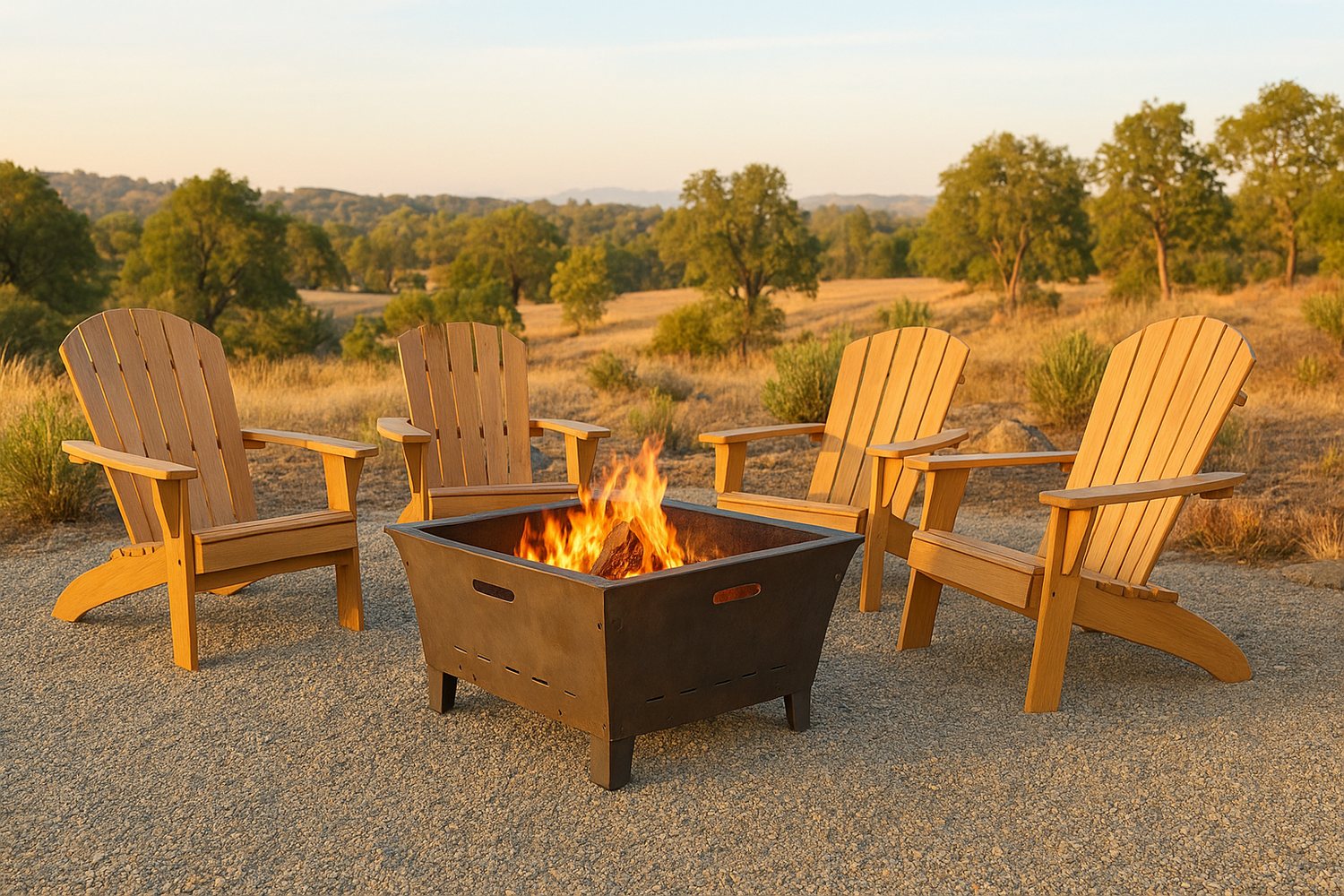
Fire pit seating layouts
Explore the best fire pit seating layouts around custom metal fire pits in Rocklin, Roseville, Granite Bay and more.
Explore →
Wood-burning metal fire pits
Explore expertly built wood-burning metal fire pits for Rocklin, Roseville, Granite Bay & nearby.
Explore →Frequently Asked Questions About Metal Fire Pit Care
How often should I clean ash out of my metal fire pit?
Ash should be removed after each use, once the fire has cooled completely. This prevents moisture retention that can accelerate rust and keeps the fire pit looking its best. Regular cleaning also reduces the risk of corrosion and unwanted odors.
Do I need a cover for my metal fire pit?
While it’s not mandatory, a fitted cover is recommended—especially through the rainy season or if your fire pit sits unused for several weeks. Covers minimize debris, keep out rainwater, and help extend the finish life, reducing how often deep cleaning or resealing is needed.
Will my steel fire pit rust outdoors?
All exposed steel will develop some degree of surface rust or patina over time; for many designs this is an intended effect that helps shield deeper layers from corrosion. Consistent cleaning, occasional touch-ups, and correct storage reduce unwanted rust and keep your fire pit safe and attractive.
How do I store my fire pit in winter?
In California, outdoor fire pits can remain in place year-round with some precautions. Clean out ash and debris before wet weather, apply a cover, and, if possible, relocate portable models out of direct rain. Inspect joints and fasteners for security before each season.
Is maintenance different if my fire pit sits on turf vs. pavers?
Paver or concrete pads shed water and support better air circulation, helping prevent bottom rust. Fire pits placed on turf or soil may see more moisture underneath and can benefit from occasional relocation, raising on bricks, or improved drainage beneath the base.
Do city or HOA rules affect using a fire pit at my home?
Many localities and HOAs set rules regarding open burning, fire pit placement, and setback distances. Always check applicable community guidelines and city/county requirements before installation or use. A design consultation helps clarify local review factors.
How do I manage natural weathering or uneven patina?
Uneven coloring is normal as a new fire pit patinas in the first few months. If you prefer a more even appearance, occasional cleaning and careful use of a wire brush can help. Deeper refinishing can sometimes be discussed, depending on your fire pit’s design.
How long will a quality steel fire pit last?
With consistent maintenance—ash removal, seasonal inspection, and proper covering—most custom steel fire pits used in California’s climate will provide reliable service for many years. Lifespan depends on care routines, weather exposure, and drainage around the installation site.
Start Your Metal Fire Pit Consultation
Email sales@californiahardscapes.com with your address, a short description of your vision, and a photo or two of your yard. We’ll walk you through the process, clarify options, and help you decide if a custom metal fire pit is the right fit for your outdoor living space.