Portable Metal Fire Pits for Patios, Cabins & Camps
Made for California patios and adventures, our portable metal fire pits move where you gather—no corners cut, no compromises on quality.
Portable Metal Fire Pits: Versatility, Convenience, and Style
Best for: Homeowners who rotate gatherings between patios, cabins, and camping sites and want flexibility without sacrificing beauty or quality.
Portable metal fire pits have earned their place in California’s evolving outdoor living spaces. As families blend backyard gatherings with weekends at the cabin or camping adventures, a fire pit that travels with them opens up experiences and possibilities a fixed fire feature can’t match. Today’s metal fire pits are engineered for practical portability, visual appeal, and simple maintenance in mind.
At California Hardscapes, portable metal fire pits are designed and crafted with the same attention to detail as all outdoor elements we build. Quality materials, thoughtful sizing, and smart joinery ensure they assemble in minutes, hold up to repeated moves, and make storage easy when fire restrictions or changing seasons call for it. Pattern and size options are determined alongside each client in a thorough consultation.
These fire pits are not a one-size-fits-all product. Homeowners in Rocklin, Roseville, Granite Bay, Folsom, Auburn, and neighboring communities face real-world trade-offs between the warmth and atmosphere of a wood fire, portability, storage footprint, and the patina metal develops with use. We don’t compete on being the cheapest. We compete on quality, integrity, and results that exceed expectations. Done right, no corners cut; every project built as if it were our own home.

Design Options for Portable Metal Fire Pits
Flat-Pack Fire Pits
Designed with interlocking panels, flat-pack fire pits can be broken down for storage or transport in minutes. When assembled, they form a sturdy and attractive fire box. Homeowners appreciate the compactness—this style fits easily in the trunk or storage shed—and the satisfying, solid feel when locked together for use.
Box-Style Fire Pits
Sturdy, self-contained and often featuring integrated carry handles, box fire pits offer a traditional look with modern touches. They provide a reliable campfire experience while fitting on patios, gravel pads, or even lodge decks. Handles or slots make relocation easier, whether you’re moving them between backyard and cabin or repositioning to catch a sunset.
Laser-Cut Patterns
Personalize your fire pit’s look with custom laser-cut patterns chosen during your consultation. From subtle geometric shapes to bold nature-inspired scenes or personalized names, pattern choices add visual interest day and night. The laser-cut detail also promotes airflow, improving combustion when used with dry firewood.
Edge and Corner Detailing
Corners and edges on each pit are carefully finished for safe handling and longevity. Rounded and chamfered edges reduce sharpness for safer moves, while welded (or interlocked) seams add decor and strength. These details ensure each fire pit holds up to repeat assembly, fires, and exposure to the elements.
Portable Sizes
Size options cater to different uses, from a compact 18-inch model for camp or balcony up to generous sizes ideal for groups. During your consultation, we help you choose the footprint that balances heat output, fuel capacity, and storage needs. All options are designed to fit in the most common backyard and campsite spaces.
Storage-Focused Design
Whether you want a pit that completely breaks down into stackable panels or one that simply tucks behind patio furniture, each pit is planned with storage in mind. Integrated slots, nesting components, and optional covers—all settled during your design consultation—help keep your fire pit protected and ready for the next use.
How Quality Portable Metal Fire Pits Are Built
Building a portable fire pit involves precise metalwork and attention to detail so your pit is sturdy, functional, and safe every time you use it. California Hardscapes works strictly with licensed, bonded, and insured contractors for every project, following a process built on decades of experience in outdoor construction and hardscaping.
- Site Assessment and Preparation: The suitable area for your fire pit—patio, gravel pad, or dedicated camp zone—is chosen for stability and safe clearance. Any combustible materials are cleared and a firm, level subgrade is prepared for safe placement.
- Leveling and Base Setup: For stationary use, a stable base using compacted gravel, pavers, or concrete may be prepped. When used portably, durable feet or pads on the pit itself help protect surfaces and provide ventilation under the fire basin.
- Assembly of Forms and Fit: Each portable pit is unpacked and assembled on-site as designed. Flat-pack styles are slotted or tabbed together, while box styles unfold or bolt. Attention to alignment and secure joins ensures safety and correct operation.
- Panel Reinforcement and Fastening: Key panels and edges are checked for a snug fit and stability. Where applicable, mechanical fasteners or tabs are used to lock components in place, ensuring a rigid box or frame during use.
- Incorporation of Airflow and Joints: Laser-cut vents or pattern cutouts act as both visual features and draft points, improving fire performance. Any removable grates or ash pans are installed as planned for maintenance convenience.
- Finishing Touches: All edges, handles, and slots are confirmed smooth for comfortable handling. After assembly, surfaces are wiped clean, and optional accessories—like covers or storage bags—are placed according to the owner’s preference.
- Curing and First Burn: If there are any protective films or preparations required, these are handled. The first fire is supervised to monitor for safe burn behavior and review care and safety practices with the homeowner.

Trade-Offs: Pros and Cons of Portable Metal Fire Pits
Strengths
- Fits where you need it—move freely between patio, cabin, driveway, and campsite.
- No permanent installation, so you can store it in fire season, or during HOA enforcement or air quality bans.
- Easier to clean, inspect, or maintain than heavy, built-in stone or concrete fire pits.
- Customizable patterns and sizes mean your fire pit feels as unique as your home or adventure style.
- Durable materials deliver many seasons of reliable use with basic annual care.
Trade-offs
- All wood-burning fire pits require regular ash cleaning and maintenance—especially if moved often.
- Some portability is traded for design strength; heavier construction is harder to move, while lighter pits are easier to dent or warp.
- Portable fire pits radiate less heat than large, stationary models and have smaller fuel capacity.
- Finish will patina and change color over time, especially with weather exposure or frequent moves.
Understanding Costs: Factors That Affect Portable Metal Fire Pits
Design, assembly requirements, looks, and durability all impact final project cost. California Hardscapes does not publish prices or metal options online, as each portable fire pit is tailored in consultation to fit your specific needs and preferences. During your meeting, factors such as dimensions, laser-cut pattern complexity, intended locations, and storage preferences are discussed to create a solution that’s honest, functional, and visually cohesive with the rest of your outdoor living space.
- Overall size and weight of the fire pit (compact portable or larger group size).
- Complexity and customization level of laser-cut patterns or personalization.
- Edge and handle design, including reinforced corners and ease of assembly/disassembly.
- Additional features such as removable ash pans, storage covers, or bags.
- Finish detailing and required surface preparation depending on use and exposure.
- Site-specific needs: stable pads, non-combustible bases, or extra ventilation (at patio, cabin, or camp).
Care, Maintenance, and Longevity
Routine care for your portable fire pit centers around periodic ash removal, inspection for soot buildup or damage, and storing the pit out of direct rain when not in use. After each fire, make sure to let the entire unit cool, then empty ash and brush down the metal. If your pit has a removable grate, clean and dry it before reassembling. Portable fire pits moved between locations may need more frequent inspections since travel can loosen tabs or fasteners. Covers or dry storage extend the life of the finish.
Depending on use and environment, resealing (if chosen) is typically considered every one to three seasons. Lifespan is influenced by moisture exposure, number of light-to-medium fires per year, and the typical transport and storage pattern. Well-cared-for portable fire pits last many years: store indoors during long winter rains, check welds and slots yearly, and address surface discoloration or corrosion promptly to keep the unit safe and looking sharp.
Compare other options

Fire pit areas with seat walls
Fire pit areas with seat walls: gravel or paver pads, planting, lighting, privacy screens. Rocklin/Granite Bay expertise.
Explore →
Metal fire pits on patios
California Hardscapes creates custom metal fire pits for paver, concrete and gravel patios in Rocklin, Roseville and beyond.
Explore →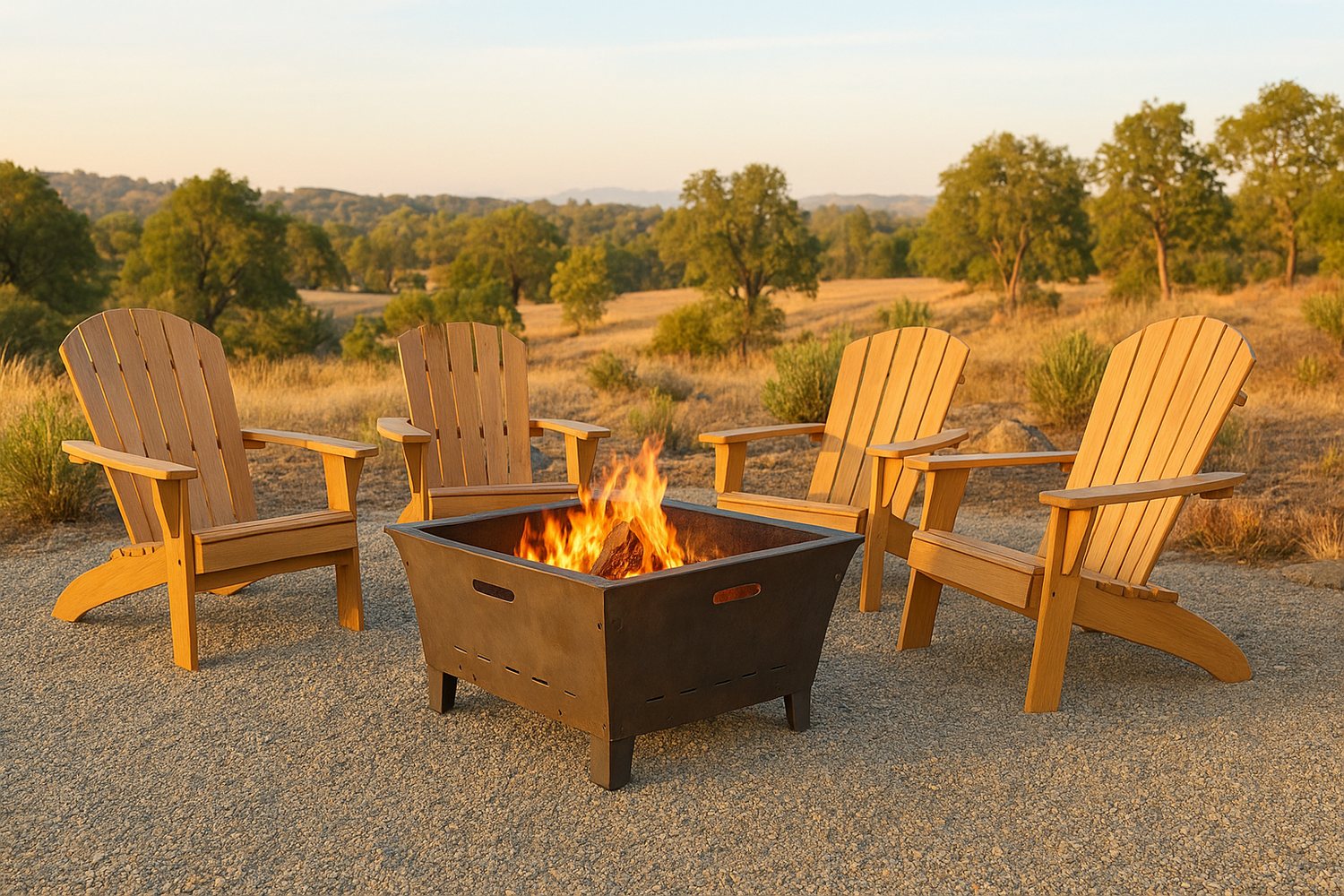
Fire pit seating layouts
Explore the best fire pit seating layouts around custom metal fire pits in Rocklin, Roseville, Granite Bay and more.
Explore →Frequently Asked Questions
How heavy are portable metal fire pits and can one person move them?
Portable metal fire pits range from lighter flat-pack models easily carried by one person to larger box-style units that may take two adults to move comfortably. Handle placement and edge finishing are designed to make lifting and transport safer, but as quality increases, so does weight. During your consultation, size and handling preferences help determine the best fit for how and where you’ll move your pit.
Are permits or HOA approvals needed to use a portable fire pit in my backyard?
Requirements for portable fire pits differ within each city, county, or HOA. In some neighborhoods, fire pits are subject to burn bans, setback rules, or restrictions on wood burning. Always check with your HOA, city, or county offices ahead of time and share your plans in detail. California Hardscapes encourages homeowners to communicate early for a smooth, compliant project.
How do I store a portable fire pit during the off-season or fire bans?
Many portable fire pits are designed to pack flat or nest for minimal storage. After cleaning and cooling, store your pit indoors, in a shed, or under a well-fitting outdoor cover. Keeping the unit out of direct rain during winter and away from sprinklers extends its life. If your fire pit came apart for storage, label and store pieces together to speed up reassembly for your next gathering.
Can portable metal fire pits be used safely on all types of patios or decks?
Portable fire pits must be placed on non-combustible surfaces such as pavers, concrete, gravel, or stone. Avoid using them directly on wood or composite decking, grass, or any flammable surface. For extra precautions, use a heat-resistant barrier or pad underneath—especially if the pit is set up in new locations each season. Your design consultation can include recommendations for safe, stable placement.
How much assembly or setup is required each time I move my fire pit?
Flat-pack models require slotting or tabbing the panels together, a process that typically takes just a few minutes and no special tools. Box-style pits often have folding legs or secured panels that snap or screw in place. Routine setup is quick with some experience, but it’s important to check that all parts are securely joined before each fire to ensure safe use.
How do portable fire pits handle California’s summer heat and winter rain?
Portable metal fire pits are chosen for their durability and resistance to local weather, but exposure to repeated summer heat or winter rain can affect their appearance and surface. Store your pit in a dry location whenever possible, and consider mild cleaning to remove hard water marks or seasonal residue. Over time, surface coloration may patina, which is a normal part of the aging process for metal fire features.
Will the fire pit damage my patio or landscape when moved around?
When placed on concrete, stone, or gravel, portable fire pits leave little to no mark. Soft surfaces, like lawn or bare soil, could be discolored or compacted by heat exposure, while some patios may show light marks from metal legs or feet. Over time, it helps to rotate placement and use protective pads if concerned about surface wear—these details can be addressed during your planning and consultation.
What are the first signs my portable metal fire pit needs maintenance or repair?
Look for shifting joints, rattling connections, loose handles, or any visible corrosion at panel joins or seams. A powdery white or orange surface, deep discoloration, or difficulty assembling parts can signal the need for cleaning or repair. Regular inspection after moves or heavy use keeps your fire pit safe and extends its service life.
Ready to Explore Your Portable Fire Pit Options?
Email sales@californiahardscapes.com with your address, a short description of your vision, and any photos of your space to start your consultation.