Turf Replacement and Upgrade Services
If your artificial lawn is showing its age or not draining like it used to, it’s time to consider turf replacement and an upgraded installation. Our approach is honest, technical, and designed for California’s unique landscape and climate.
Is It Time for New Turf? What Homeowners Need to Know
Best for: Homeowners with faded, matted, or poorly draining artificial turf lawns looking for long-term improvement, not a quick patch.
Artificial turf, like any outdoor surface, has a finite lifespan. Over time, sun, regular foot traffic, pets, and the elements can combine to flatten the blades, thin the backing, and break down the underlying base. A common early sign your turf isn’t performing is dull, flat patches that never spring back—no matter the brushing or rinsing. Drainage issues, odors, uneven surfaces, and visible seams may also show up as the years pass. If your lawn shows multiple signs of wear, replacement and upgrading might be the smart long-term fix.
Homeowners often notice reduced drainage after heavy rains or pooling water that lingers longer than it should. This can be a symptom of improper installation, clogged infill, or compacted sub-grade from years of use and Central Valley clay soils. Sometimes, the problem isn’t just the surface: the base may have settled, or roots may be pushing up from below. Turf that once looked lush in Rocklin or Roseville can quickly lose its curb appeal when base and drainage are neglected.
Replacing old turf isn’t just about aesthetics. A thorough upgrade involves careful removal of the old materials, professional site assessment, repairs to the base or drainage, and a considered recommendation for better-quality turf products that last longer and look more realistic. At California Hardscapes, we don’t just swap one patch of green for another. Our philosophy: we don’t compete on being the cheapest. We compete on quality, integrity, and results that exceed expectations—no corners cut, every detail done right as if this were our own home.

Replacement Turf & Upgrade Choices
Realistic Blade Profiles
Older turf often had shiny, thin blades that quickly looked fake or matted. Modern premium products offer multi-shape blades (C-, S-, or W-shaped) that resist flattening and better imitate actual grass, even under steady foot traffic. If you want a more natural, durable look, this is a worthwhile upgrade.
Advanced Drainage Backings
Past generations relied on punched-hole backings, which could clog with pet hair or fines. Upgraded turf often uses fully permeable woven or multi-channel backings that dramatically speed up drainage and reduce odors, especially in areas with pets or heavy rainfall.
Premium Infill Materials
Infill keeps blades upright and helps with weight, cooling, and odor. Basic sands or rubber break down or compact. Today, options include anti-microbial sand, cooling infills, or coated materials that reduce bacteria growth and heat—addressing regional heat challenges while extending lifespan.
Wider Color Selections
Older turf tends to have a monotonous tone. Modern replacements often blend several greens, yellows, and neutrals for a more convincing grass look. Shade and color selection can be tailored to match native grasses in Placer, Sacramento, and El Dorado counties.
Edge Upgrade Solutions
Crumbling edges signal a failing installation. Replacing timber bender board with composite, concrete mow strips, or steel can improve edge stability and reduce turf shifting. Proper edging makes a huge difference in appearance and longevity.
Pet- and Kid-Friendly Enhancements
If pets or children are part of your household, upgraded turf features such as extra-tough backing, antimicrobial infills, or hypoallergenic materials may be a priority. Specialized systems also make cleanup easier and prevent odors or bacteria buildup.
How Quality Turf Replacement Gets Built
A great replacement starts with a clean slate. We treat every yard as unique and approach each step with the meticulous care it deserves. Here’s how an experienced crew tackles turf replacement and upgrades for long-term performance—no shortcuts, no skipped steps.
- Thoroughly remove the old turf and infill, taking care to bag and recycle materials where possible; inspect for weeds, roots, or compacted zones beneath.
- Excavate and screen the subgrade, removing old base, roots, and clays as needed. Grade to create a gentle slope for surface drainage—never dead flat.
- Install proper perimeter forms or upgraded edge restraints (e.g. concrete or composite board) to maintain shape and prevent turf migration over time.
- Add a high-quality angular base material—such as class II road base or compacted decomposed granite—in layers, compacting thoroughly for a solid foundation.
- Before turf goes down, inspect and add extra drainage fabric, deep drain lines, or a gravel trench if past soggy spots or poor runoff were an issue.
- Roll out and trim new turf sections, ensuring seams are staggered and invisible; secure edges cleanly with spikes or landscape staples along all borders.
- Spread chosen infill evenly across the surface, using a stiff broom and mechanical brush to stand up the blades. Meticulously clean up for a newly refreshed look.
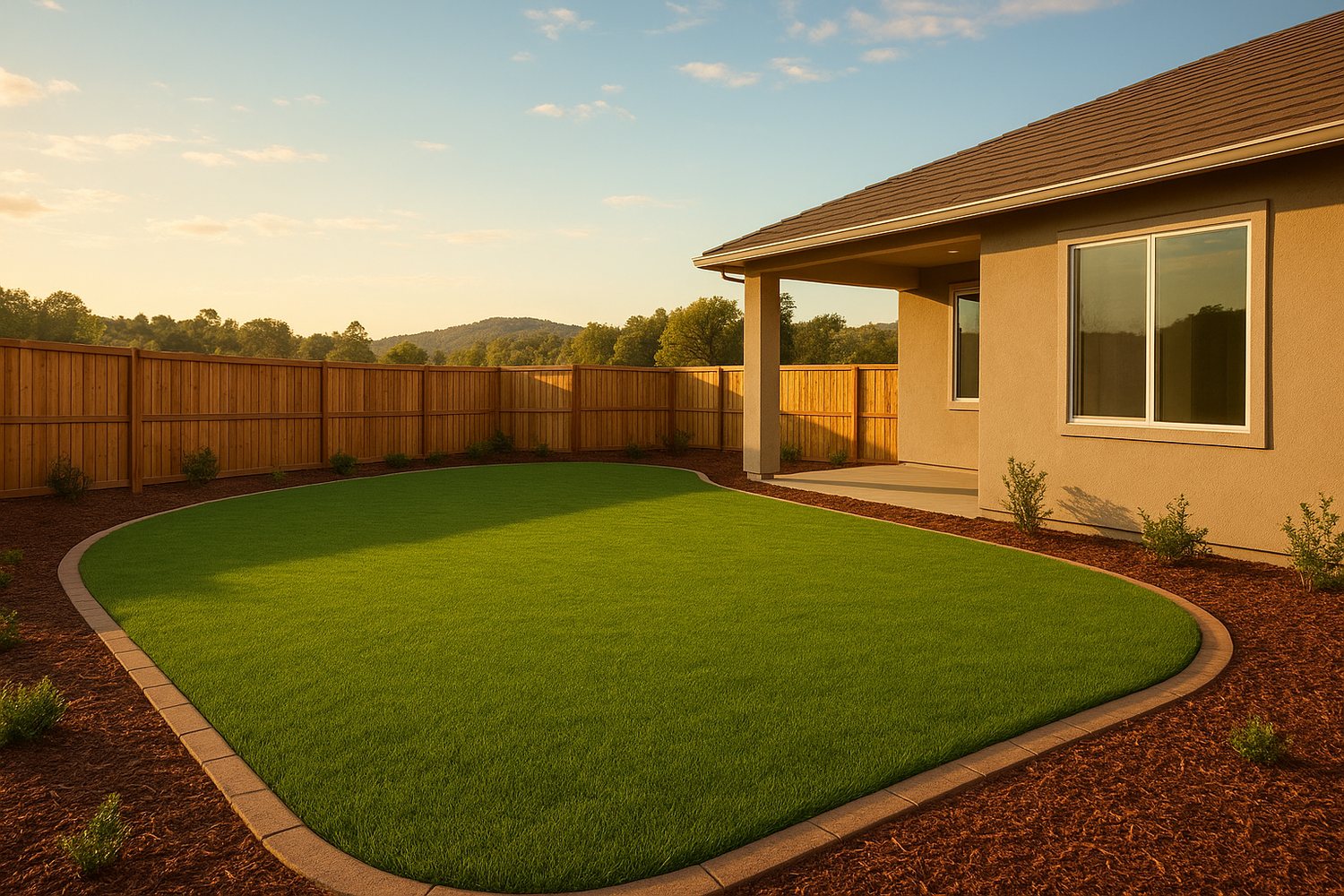
Pros and Cons of Replacing Old Turf
Strengths
- Renews curb appeal and restores a fresh, soft look and feel underfoot.
- Solves long-term drainage and base issues that cause odors, pooling, or settling.
- Modern infills and realistic blade shapes better withstand heat, pets, and foot traffic.
- Reduces the risk of weeds, insects, or fungal growth below the new turf layer.
- Removes chemical residues, allergens, and bacteria harbored in old turf and infill.
Trade-offs
- Upfront investment is higher than spot repairs or simply cleaning the old turf.
- Removal may temporarily disrupt surrounding landscape; established edges or plants may need resetting.
- Requires precise installation skills—cheaper shortcuts risk repeating the same old problems.
- Disposal or recycling of large areas of old turf may involve separate fees and coordination.
What Affects the Cost of Turf Replacement?
Replacing artificial turf is a significant investment. The cost is influenced by a range of factors—from square footage and site access to the type of materials and extent of base repairs. We provide honest, transparent estimates. No two lawns are alike, and our goal is always a result that outlasts budget jobs and short-term fixes.
- Total square footage of the lawn and number of seam locations required.
- Extent of base repair or replacement, especially if drainage issues or roots are present.
- Edge upgrade choices: timber, composite, steel, or concrete mow strips.
- Selection of turf product—blade profile, density, and brand quality all affect price.
- Infill material upgrades: antimicrobial, cooling, or natural mineral options.
- Site factors: access for machinery, steep slopes, required debris hauling, or tight working conditions.
Caring for Your Upgraded Turf
One advantage of new-generation turf is reduced upkeep compared to aging products. Regularly use a stiff broom or power brush to keep blades upright and remove leaf litter or pet hair—especially under oaks or conifers. Rinse infill with water during hot, dry months to cool the turf and limit dust. If pets use the space, treat spots with natural cleaners as needed.
While premium base and turf should last 10–15 years or more, extreme heat, pets, and active use can affect lifespan. Turf edges may need periodic inspection for separation; occasional top-up of infill (every 2–5 years) helps maintain bounce and drainage. Unlike hardscape sealing, artificial turf doesn’t need resealing, but it’s smart to keep a maintenance schedule for brushing and rinse-downs.
Compare other options

Lawn to turf conversion and water savings
Learn about converting lawn to artificial turf in Rocklin, Roseville & beyond: water savings, irrigation changes, rebate programs, and practical trade-offs.
Explore →
Backyard putting greens
Expertly designed backyard putting greens in Rocklin and nearby. Learn about base prep, green turf, contours, borders, size, care, and honest trade-offs.
Explore →
Artificial turf installation
Learn how premium artificial turf is installed in Rocklin: soil prep, drainage, seams, infill, pros & cons. Details for Placer & Sacramento County homeowners.
Explore →Turf Replacement FAQs
How do I know if my current artificial turf needs to be replaced?
Major warning signs include permanently matted blades, persistent odors, standing water after rain, exposed seams, or patches that feel uneven underfoot. If cleaning, brushing, or minor repairs aren’t effective—and if drainage or appearance issues keep returning—it’s probably time for a full replacement and upgrade.
Can the old turf and infill be recycled?
Many types of artificial turf and infill can be recycled, although it depends on the age, type, and presence of pet waste or contaminants. We try to bag and divert as much as possible to recycling facilities rather than landfill, but local options vary. Responsible disposal is part of every replacement job we do.
What drainage improvements can be made during replacement?
Upgrades may include adding drain lines, incorporating a more porous base, installing better geotextile or drainage fabrics, and choosing new permeable turf backings that rapidly transmit water through the turf instead of trapping it. Each site is checked for unique pooling or runoff issues and designed for long-term drainage success.
What turf products are best for hot Central Valley summers?
Look for new-generation turf with UV-stable yarns, high-density blade counts, and heat-reflecting infills. Some products incorporate cool technology to reduce surface temps. While no synthetic turf is cool in direct sun, quality materials won’t fade, curl, or melt—and backing won’t disintegrate—when properly matched to our regional climate.
I have large trees—will new roots wreck my new turf base?
Tree roots can gradually disrupt any surface, including new turf. During replacement, roots in the top few inches are removed or trimmed back. Refreshed, compacted base can resist minor heaving, but aggressive roots (especially from oaks or willows) may eventually return. Regular edge checks help spot early signs of root intrusion.
How long does upgraded artificial turf usually last?
Premium turf, professionally installed on a stable base, typically lasts 10–15 years or more, depending on use. Heavy-use zones (like pet runs or play areas) may show wear sooner, while shaded, lightly trafficked spaces last longer. Regular brushing and occasional infill renewal will maximize lifespan and keep the turf looking its best.
My HOA or city has turf rules—can you help with compliance?
We can advise on features and installation details likely to meet most typical HOA or city guidelines, such as realistic appearance, drainage, and edge finishing. Ultimately, it’s the homeowner’s responsibility to check and secure written approval from your HOA or city before work begins. Requirements can vary widely by neighborhood.
Can I upgrade only the most damaged sections, or does the entire turf have to go?
Spot replacement is possible for very small, contained areas, but matching new and old turf is nearly impossible due to fading, blade shape, or backing differences. For large patches with widespread wear, odors, drainage problems, or seam issues, full lawn replacement is almost always better for consistency and durability.
Ready for a Lasting Turf Upgrade?
Email sales@californiahardscapes.com with your address, a brief description of your project, and photos of your existing turf for a practical assessment and next steps.