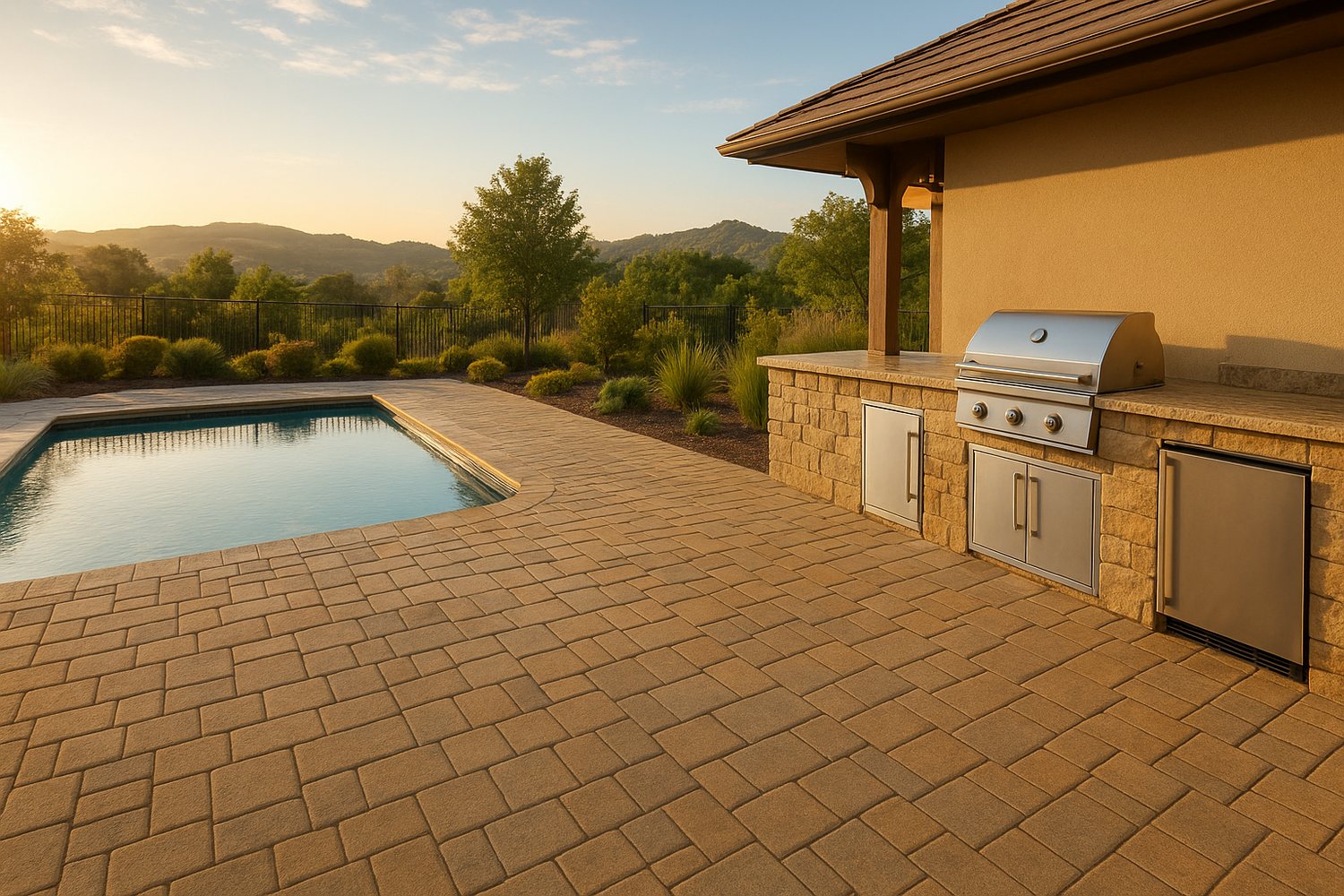
Caring for Paver Pool Decks: Poolside Protection & Maintenance
Get expert guidance on maintaining your paver pool deck against pool chemicals and stains. Practical tips for homeowners in the greater Rocklin area.
A professionally installed paver pool deck can elevate your backyard, but protecting it from pool chemicals is essential. Here’s how to keep yours looking great.
Why Protecting Paver Pool Decks Matters
In the Sacramento and Placer County area, paver pool decks are prized for both their looks and durability. However, exposure to chlorine, salt, and organic stains can quickly dull their appearance. Understanding why protection matters helps you enjoy your outdoor space longer.
Unlike covered patios, pool decks face not only the relentless California sun, but also frequent splashing from pool chemicals. Over time, these elements can break down paver surfaces, fade colors, or cause white residue and stains that are tough to remove. Prevention starts with the right know-how.
Regular care reduces repair costs and keeps your deck safe underfoot. Homeowners in Rocklin, Roseville, Granite Bay, and nearby communities benefit from informed maintenance, as local water chemistry and landscapes add unique challenges to paver care.
For a closer look at design choices and installation, visit ourPaver pool decks page.
How Chlorine, Salt, and Stains Affect Your Deck
Chlorine is excellent at keeping pools germ-free, but its oxidizing power can slowly degrade paver sealants. It may also cause paver colors to fade or create lighter patches in high-traffic splash zones.
Saltwater pools bring their own risks. When water evaporates, salts are left behind and can lead to surface efflorescence—a powdery white deposit that’s unsightly and sometimes stubborn to remove.
Stains from leaves, sunscreen, and spills also sneak up on busy families. Hot weather in the region can accelerate these stains, making regular cleaning even more crucial to prevent set-in discoloration.
- Chlorine: may lighten colors or compromise sealant
- Salt: leaves efflorescence and promotes surface wear
- Organic stains: sunscreen, leaves, and food create stubborn spots
Choosing Sealants for California Climates
Not all sealants are created equal, particularly when facing the region’s sun, heat, and pool chemicals. Selecting a high-quality, breathable sealant can make or break your deck’s longevity and appearance.
Film-forming sealers offer a wet look but can become slippery when wet and may peel over time under constant exposure to chlorine or salt. Penetrating sealers tend to preserve the natural look and are less likely to change the deck’s slip resistance.
We recommend reviewing your options with a local expert who understands how intense summer heat and UV exposure in Placer and Sacramento County interacts with pool environments. Application technique also matters; improper or rushed sealing can trap moisture and lead to more problems down the line.
- Penetrating sealers: subtle, less slippery, easier maintenance
- Film-forming sealers: deep color, more sheen, risk of peeling near pools
- Professional guidance: ensures right product for your pool deck
| Sealer Type | Look | Best Uses | Slip Risk | Durability Near Pools |
|---|---|---|---|---|
| Penetrating | Natural finish | Dry, poolside, patios | Low | High |
| Film-forming | Glossy or wet look | Decorative, shaded areas | Medium to high | Medium |
| Hybrid blends | Satin/Light sheen | Versatile use | Variable | Moderate to high |
Routine Cleaning for Long-Term Beauty
Consistent cleaning is your best defense against tough stains and chemical buildup. Start with a simple rinse after heavy pool use to wash away chlorine and salts before they dry on the paver surface.
About once a week, sweep away debris like leaves, pine needles, and dirt—that’s especially important in autumn or near mature landscaping in places like Auburn and Granite Bay. Organic debris not only stains but also attracts ants and keeps the area looking untidy.
Use a gentle paver-safe cleaner if you spot sunscreen, oil, or stubborn marks. Pressure washing is tempting but requires a light touch to avoid damaging joint sand or the paver surface. It pays to listen to real, region-specific advice from experienced hardscape contractors.
- Rinse pool decks after swimming
- Sweep regularly to avoid organic stains
- Clean stains promptly with approved paver-safe products
Quick Tips to Prevent Common Problems
Protecting your deck starts with the habits you build. One key practice is placing mats or towels in spots where swimmers tend to drop goggles or kick off shoes—this keeps oil, sand, and sunscreen off the pavers.
Encourage family and guests to rinse feet before entering the pool area, especially if you’ve recently applied fertilizers or other lawn chemicals. These can react with pool water and leave stains.
Finally, keep grilling at least five feet away from the pool edge, and be prepared to tackle food or drink spills right away. These little preventive steps save you hours of scrubbing and help maintain a uniform look year-round.
- Use mats or towels in high-traffic areas
- Rinse feet before using the pool
- Clean spills immediately
Interested in all your options? See the full range ofHardscapes & Patios features.
Dealing with Efflorescence and Chemical Residue
Efflorescence is common on paver pool decks in our area, particularly where hard water is used to top up pools. This white haze forms as water draws minerals to the surface. Though harmless, it detracts from your deck’s appearance.
To address minor efflorescence, try dry brushing followed by a thorough rinse. Specialized cleaners may be needed if residue remains, but always test on a small spot first and check product compatibility with your paver type and sealant.
Chemical spots from chlorine are handled in a similar way. Avoid harsh scrubbing, which can damage the paver surface, and focus on gentle, repeated treatments. If issues persist, a pro inspection helps prevent further damage.
When to Reseal Your Paver Pool Deck
Resealing your paver pool deck is not a set-it-and-forget-it job. Exposure to pool chemicals and UV rays means most premium sealers need maintenance every two to three years—sometimes sooner with saltwater pools.
Watch for telltale signs: water no longer beads on the surface, colors appear faded, or stains become harder to remove. These cues mean it’s time for a reapplication to lock out future problems.
When resealing, stick with proven products tailored to California’s climate, applied in moderate weather (late spring or early fall is ideal). This timing helps the sealant cure properly and gives you the longest-lasting results.
- Plan to reseal every 2–3 years
- Check for fading or lack of water beading
- Schedule resealings in mild weather for best performance
Consult Local Experts for Smart, Lasting Results
No two outdoor spaces are the same, and Placer, Sacramento, and El Dorado counties present unique climate and water chemistry challenges. Lean on the knowledge of experienced professionals who work every day with paver materials and pool decks in your specific region.
Working with someone who understands everything from soil types to sun exposure will help you protect your investment. Marty at California Hardscapes is well-versed in outdoor living and hardscape materials across local neighborhoods, giving you practical, actionable advice.
A quick consultation helps you make tailored, informed decisions about protecting your paver pool deck, so it stays beautiful and functional season after season without unwelcome surprises.
Ready for a local expert’s opinion?Request a care consultationwith our team today.
Planning a hardscapes & patios project?
Call or text 916-741-0633, or email sales@californiahardscapes.com with your address, a short description and a few photos, and we will arrange a consultation.