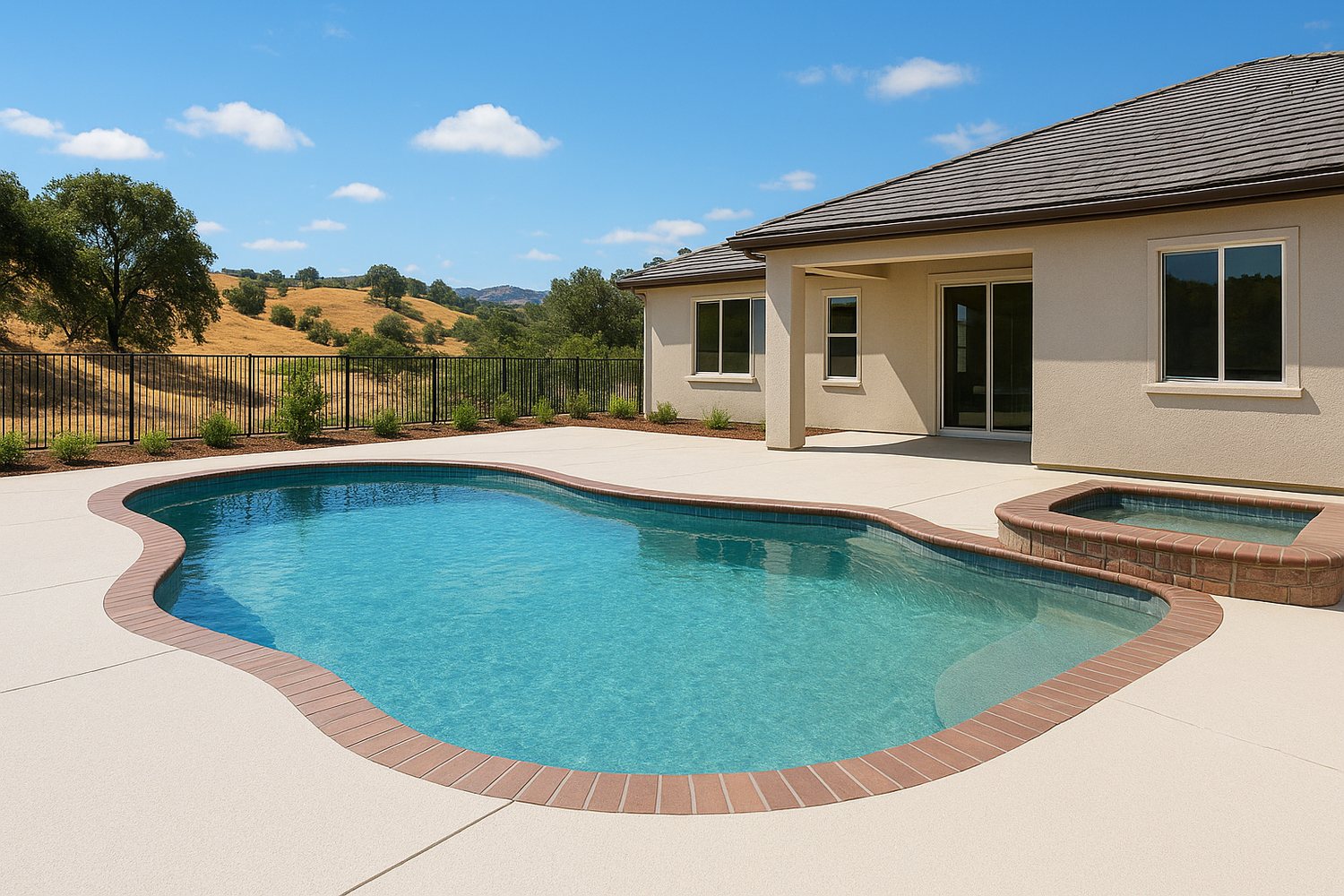
Making Your Concrete Overlay Last: Tips for Lasting Beauty
Learn how to keep your newly resurfaced or decorative concrete overlay beautiful, durable, and strong in the Sacramento valley climate.
A well-installed concrete overlay transforms outdoor living spaces, but care is key for performance and curb appeal, especially in our local climate.
Understanding Concrete Overlays in Our Area
Concrete overlays are a practical way to refresh patios, driveways, and walkways without a full replacement. Homeowners in Rocklin, Roseville, Granite Bay, Folsom, and Auburn favor overlays for their flexibility in style and function. With the right design, overlays can mimic natural stone or offer solid-color elegance to update any outdoor living space.
Our region’s hot, dry summers and occasional heavy rains mean overlays must do more than look good. They need to endure temperature swings, irrigation spray, and the area’s unique ground movement. Selecting the right mix and surface treatment is step one to long-lasting overlays.
Knowing the basics before you commit helps in caring for your investment down the line. The combination of substrate prep, overlay materials, and finishing methods on day one sets the tone for how much upkeep you’ll need to do later.
For more on choices and what to expect, see ourResurfacing and decorative overlayspage.
Why Proper Maintenance Makes All the Difference
Even the best-installed overlay will degrade without a little care. Here, maintenance means preventing surface damage, preserving color, and spotting small problems before they grow. The main tools are cleaning, sealing, and an occasional inspection.
Neglect and debris can cause minor surface issues that lead to bigger problems like staining or flaking. In our valley towns, pollen, dust, leaves, and irrigation minerals are top culprits. Frequent light cleaning goes a long way—using a leaf blower or broom for debris, with a gentle wash a few times a year.
Think of surface maintenance as the insurance that protects your decorative investment. Staying on top of care doesn’t just keep things looking good; it extends the overlay’s usable life so you get the most value from your project.
Cleaning Techniques That Really Work Here
Thanks to local soils and airborne pollen, keeping overlays clean can be weekly work, especially in spring. The best tools are non-metal brooms, soft brushes, or a low-pressure garden hose. Avoid wire brushes or strong power washers that might scour away colored or textured surfaces.
For spot cleaning oil drips or tough spots, use mild concrete-safe detergents found at hardware stores—never acids or harsh solvents. Rinse thoroughly to keep chemical residue from damaging sealers. After wind storms or heavy rain, clear debris quickly to prevent staining and organic buildup.
In granite belt communities like Granite Bay or Loomis, groundwater minerals can leave behind white stains. Fast attention with a damp rag and, if needed, a specialty cleaner (following label instructions) makes minerals easier to manage without harming decorative finishes.
- Use soft, non-metal cleaning tools
- Mild, pH-neutral detergents only
- Rinse well after any cleaning
Sealing: When, How, and Why
A sealer is essential for overlay longevity—think of it as sunscreen and a raincoat in one. In the Sacramento valley, sealing every 2 to 3 years is typical, though busy walkways or sun-exposed areas may need attention sooner.
Clear, breathable sealers let moisture escape while protecting against stains and UV fading. For decorative overlays, choose a sealer compatible with your surface: acrylics are popular for color-rich designs, while penetrating sealers suit more natural looks.
Always apply sealer in mild weather and on a dry, clean surface. Early morning or late afternoon applications help avoid heat-related issues. DIY is possible, but homeowners often bring in a pro for best results.
- Reseal every 2–3 years
- Check compatibility before use
- Apply on mild, dry days
Repairing Small Issues Before They Get Big
Small cracks, chips, or delamination can appear from seasonal shifts or heavy use. Addressing them quickly keeps moisture from seeping underneath, which can lead to larger issues. In our region, root growth and minor settling are common triggers for surface problems.
DIY repair kits exist for hairline cracks, but anything wider than a coin or involving lifting edges may call for a pro assessment. Catching these early usually means a quicker, less costly fix—often just patching or adding a feathered overlay blend.
Don’t ignore rust spots from lawn furniture, stains from BBQs, or winter salt traces. Prompt surface spot repairs prevent etching, which is especially tricky to repair once deep. Regular walks around your hardscape every couple months can catch these early.
- Address cracks and chips promptly
- Consider pro help for larger repairs
- Check for signs of water beneath surface
Explore all yourConcrete optionsfor outdoor spaces from California Hardscapes.
Avoiding Common Pitfalls in Local Conditions
A major cause of overlay failure is using harsh de-icers and pressure washers, which undermine the sealer and surface. Stick to safer traction aids, such as clean sand or cat litter, if you need grip during frosty mornings.
Heavy metal furniture or dragging planters can gouge the finish. Use rubber feet or protective mats under tables, grills, and planters. In landscapes where irrigation sprinklers hit concrete, check regularly for over-spray, which can leave mineral streaks and encourage algae growth.
Pets, pool chemicals, and garden fertilizers also take a toll. Rinse spills promptly and try to confine activities that could damage decorative coatings to a non-overlay area. A small bit of daily caution adds years to your overlay life.
- Never use sodium chloride de-icers
- Choose outdoor-safe mats and feet
- Redirect sprinkler spray away from overlays
| Overlay Type | Durability | Resealing Needed | Best For | Care Notes |
|---|---|---|---|---|
| Stamped Overlay | High | 2-3 years | Driveways, Patios | Keep clean, avoid metal tools |
| Spray Texture | Medium-High | 2 years | Pool Decks, Walkways | Sweep debris, watch for slip hazards |
| Stained Overlay | Medium | 1-2 years | Decorative Entry Ways | Remove spills promptly, gentle clean |
| Thin-Trowel | Medium | 2-3 years | Small Patios, Steps | Protect from heavy traffic, patch chips |
How Overlay Types Compare for Durability and Care
Overlay needs vary—stamped, stained, spray texture, and thin-trowel each suit different areas and care routines. In sun-drenched parts of Placer and El Dorado County, fade resistance matters. Around pools and patios, slip resistance may top the list.
Maintenance methods are similar, but stained overlays may show grime more quickly, while spray and broom textures hide minor dust until cleaning day. Some overlays require a bit more frequent resealing, especially in high traffic or sun zones.
The table below helps you compare the key features, upkeep requirements, and regional suitability for popular overlay styles. Choosing the right type for your specific conditions can make care easier in the long run.
Planning for Long-Term Value
A well-maintained overlay can easily outlast changing tastes and seasons. When you keep up with gentle cleaning, attentive sealing, and quick repairs, your concrete stays inviting year-round, despite hot summers and wet winters.
If you ever change landscaping, add new patio features, or install a pool, proper overlay care means your older hardscape blends well with the new. It lays a solid foundation for all future upgrades or outdoor living improvements.
Concrete overlays are an investment in daily enjoyment and long-term resale appeal. Thoughtful care pays off, whether you use your space for entertaining, relaxing, or simply bumping up curb appeal for years to come.
Have overlay questions?Request a consultationwith Marty at California Hardscapes today.
Planning a concrete project?
Call or text 916-741-0633, or email sales@californiahardscapes.com with your address, a short description and a few photos, and we will arrange a consultation.