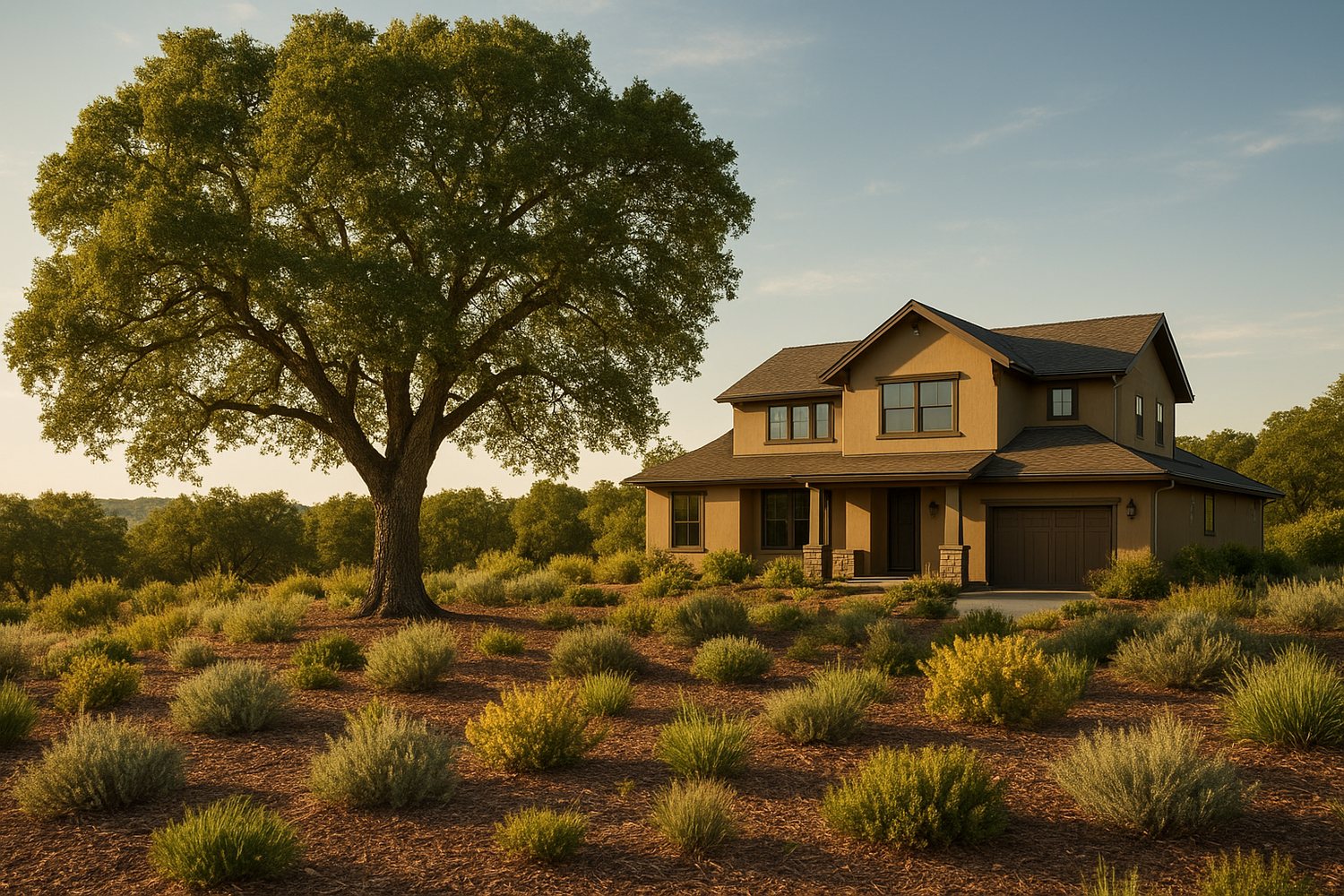
Caring for California Native Plant Gardens in Summer
Learn practical tips for maintaining healthy California native plant gardens during our dry summers. Region-specific advice for greater Rocklin and neighbors.
California native plant gardens promise beauty and resilience—if you know how to care for them during our long, dry summers. Here’s what matters most.
Why Native Plants Succeed Here—But Need Summer Care
California native plants are built to thrive in our climate, handling winter rain and long, dry summers. However, even tough natives need attention through the hottest months. A bit of know-how goes a long way to help them settle in and flourish, especially in the first two or three summers after planting.
Summer is the test for most plants in Rocklin, Roseville, Granite Bay, Folsom, Auburn, and nearby areas. Our local soils, usually clay or decomposed granite, hold water poorly when temperatures soar. Well-adapted natives survive—but not without your help, particularly before they are fully established.
Ignoring summer care can lead to stressed plants, brown foliage, or even plant loss. The real trick is learning how much (or how little) intervention your garden needs. Let’s break down what matters most to help your native garden look sharp all season long.
Get specific guidance and plant lists on ourCalifornia native plant gardensresource page.
Watering Wisely—Not Too Much, Not Too Little
Most California natives appreciate deep, infrequent watering in summer once established. Newer plantings, in their first two growing seasons, need regular help. It’s important to mimic natural patterns—think rare but soaking rains.
Check your soil before watering. Push a finger or trowel a couple of inches deep. If it’s dry, it’s time to water. Avoid frequent, shallow watering; this leads to weak roots and wasted water. Drip systems or soaker hoses are best to keep moisture consistent and targeted.
Early morning is the smart time to water: you’ll lose less moisture to evaporation, and plants can absorb what they need before the heat builds. Use mulch to help soil retain water and stay cool through the day.
Bullets: – For new plants, water every 7–10 days – Established natives: once a month or less – Mulch keeps water where roots need it – Avoid overhead sprinklers, which can encourage leaf diseases
Mulching and Soil Care Specific to Our Area
Mulch is your garden’s best summer ally. It insulates the soil, suppresses weeds, and slows evaporation. In the local region, organic mulches like shredded bark or wood chips work best—they break down over time and help feed the soil.
Apply mulch in a 2- to 4-inch layer over all bare soil but keep it a few inches away from each plant stem. This prevents fungal issues and rodent problems. Replenish mulch every spring for best coverage.
Native plants prefer soils low in nutrients and organic matter, which means you can skip fertilizers entirely. Stick to a routine of mulching and occasional deep watering. If you have heavy clay or decomposed granite soil, improve drainage rather than fertility.
- Use local materials for mulch when possible
- Check mulch for pests before spreading
- Use stone or gravel mulch for heat-loving natives
| Native Plant Type | Sun Requirements | Water Needs (Once Established) | Best Mulch |
|---|---|---|---|
| Manzanita | Full Sun | Monthly (deep soak) | Wood chips |
| California Fuchsia | Full/Part Sun | Every 3–4 weeks | Shredded bark |
| Blue Oak Grass | Part Shade | Rarely (deep soak) | Stone/gravel |
| Ceanothus | Full Sun | Every 4–6 weeks | Bark/wood chips |
| Yarrow | Full/Part Sun | Monthly | Organic mulch |
What to Prune—and When to Wait
Pruning natives is all about timing and restraint. Most pruning should wait until late summer or early fall when plants naturally rest. Excess pruning during active summer growth can stress many species and reduce flowering next year.
Remove only clearly dead, damaged, or dangerous branches in summer. If a shrub or perennial looks leggy or unkempt, hold off on hard cuts. Most response better to shaping after they’ve had a chance to go semi-dormant with the heat.
Use sharp, clean tools for all cuts. Always step back, look at the plant from all sides, and cut with intention. With natives, less is more. Let their natural form shine.
- Prune salvias and evergreen manzanitas late August–September
- Remove old flower stalks as they finish
- Never prune hard in extreme heat
Common Issues: Identifying Stress and Pests
Even with careful care, some stress is normal during our hottest months. Look for slight leaf curling or tip browning—it’s usually temporary. Yellowing or early leaf drop is more concerning and can signal overwatering or root problems.
Natives generally experience fewer pest problems than non-natives, but aphids or mites may show up on tender growth. Spot-spraying with water or safe insecticidal soap can help, but avoid broad treatments that might harm beneficial insects.
Diseases are rare unless summer irrigation is excessive. Fungal issues, if they appear, are usually a sign to check watering schedules or improve airflow. Catching problems early is key.
To compare all our landscaping solutions, visit theLandscapingservices overview.
The Importance of Plant Selection and Placement
Proper plant choice is half the battle. Prioritize natives that naturally grow within your home’s elevation, sun, and soil type. Visit a local nursery for the best guidance. Some species want full sun, while others need partial shade, especially in interior valleys.
Spacing is critical. Give each plant enough room for air circulation and expected mature size. Crowding increases the risk of disease during warm, humid nights and reduces each plant’s stress tolerance.
For problem spots—areas with reflected heat, shallow soil, or regular foot traffic—choose the toughest natives or reinforce with rock mulch. Planning placements to match a plant’s natural habitat saves time and water in the long run.
- Match each plant’s sun needs to your yard
- Consider microclimates, especially near walkways and buildings
- Plan ahead for mature size and shape
Ongoing Maintenance: What Matters Most
Summer maintenance is more about observation than action. Walk your garden weekly—look for signs of dryness, new weeds, or unusual leaf changes. Early intervention prevents bigger problems later.
Keep up with weeding, especially around younger plants where competition is strongest. Remove spent flowers if desired, but remember, many seeds feed birds and encourage reseeding next spring.
Check your drip system, if installed, for leaks or clogged emitters each month. Mulch may shift or compact, so top it up or fluff it occasionally. Most importantly: if in doubt, err on the side of less. Native plants are built for this place.
When to Seek Help: DIY or Consult a Pro
If questions or persistent problems crop up, sometimes hands-on help is the quickest path to a healthy garden. Professionals can confirm diagnoses, recommend drainage tweaks, or correct irrigation issues before they harm your landscape investment.
DIY summer care is simple once you learn what matters. But don’t hesitate to bring in local expertise for planting design, troubleshooting plant health, or upgrading hardscape features for lasting ease.
Native gardens deliver low-maintenance beauty, but it’s okay to ask for backup—especially when starting out or making major changes. California Hardscapes can help coordinate full-service outdoor solutions, from plantings to patios and beyond.
Ready for a personal walk-through?Request a consultationwith Marty and the California Hardscapes team.
Planning a landscaping project?
Call or text 916-741-0633, or email sales@californiahardscapes.com with your address, a short description and a few photos, and we will arrange a consultation.