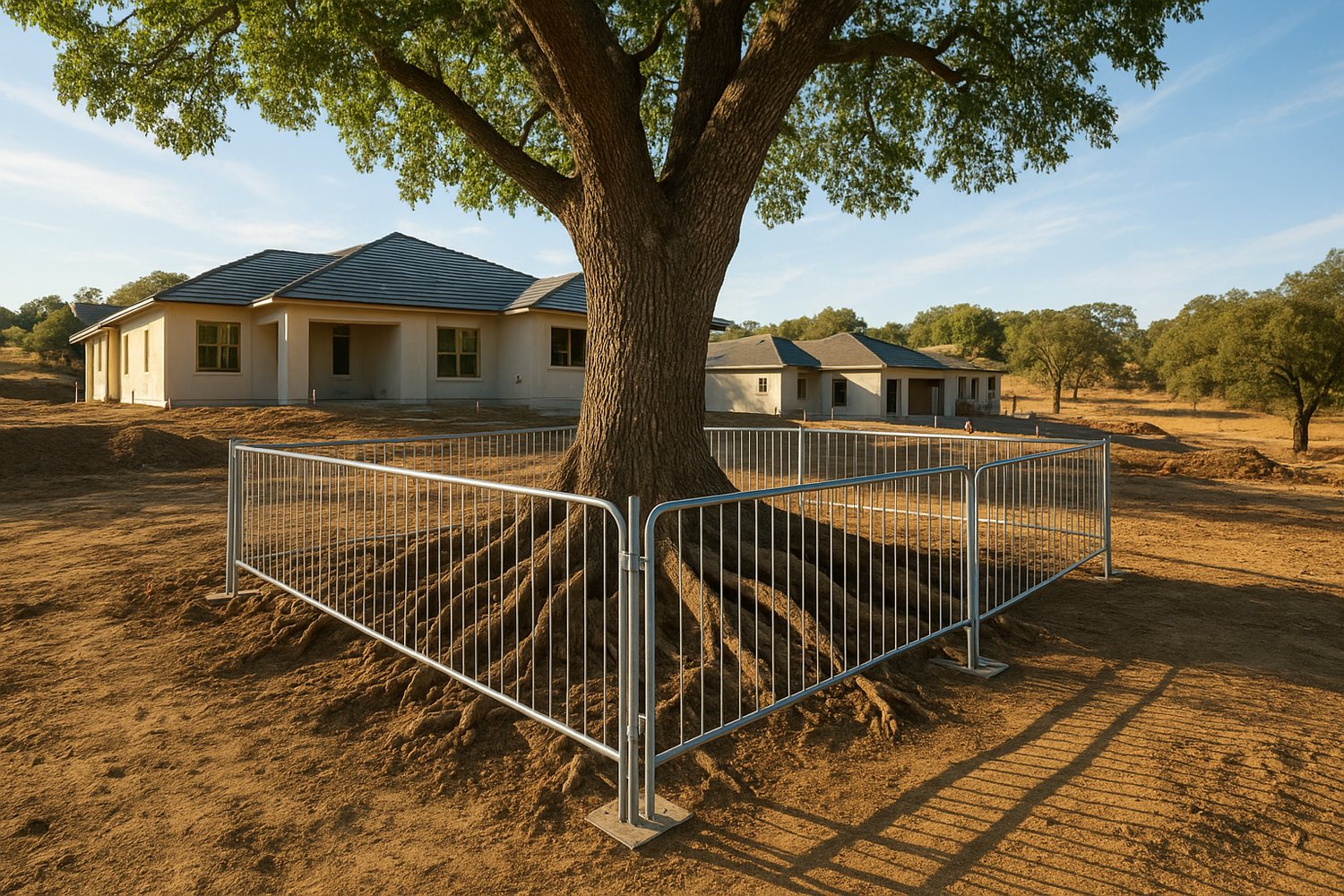
Helping Young Trees Thrive: Shade Planting Care in Our Region
Successfully establishing young shade trees is key for long-term landscaping value in the Sacramento foothills. Here’s how local homeowners can help them thrive.
Planted the right way and cared for thoughtfully, young shade trees reward Central California yards for decades. Here’s how to help yours establish strong roots.
Why Shade Trees Matter in Our Climate
Shade trees offer much more than summer relief—they’re investments in property comfort, energy efficiency, and the long-view of your landscape’s structure. In the Sacramento Valley and surrounding foothills, summer sun gets fierce. A healthy shade canopy keeps patios inviting and protects lawn and groundcover.
Our region’s hot, dry weather, with quick shifts from cool wet winters to long arid summers, puts new trees to the test. That makes planting method, care, and thoughtful species selection essential for lasting success. A little planning means future curb appeal and fewer weather-related setbacks.
Homeowners in Rocklin, Roseville, Granite Bay, Folsom, and Auburn all benefit from prioritizing tree health early. Providing shade where it matters most—in entertaining spots, near windows, or on hardscape—delivers both comfort and lower air conditioning bills through the hottest months.
For more detailed tips, see our mainTrees and shade plantingpage.
Picking Trees That Actually Thrive Here
You’ll see plenty of trees in local nurseries, but not all are cut out for the region’s dry soils, hot summers, and periodic winter chills. Some fast-growers disappoint with pests or weak limbs, while others need years before forming real shade. Focus on qualities proven to thrive locally.
Native oaks, Chinese pistache, and species like cedar elm are all strong choices for Placer, Sacramento, and El Dorado Counties. They tolerate our clay ground, recover well after heat spells, and deliver the stately shade most homeowners want. Consider leaf litter, root spread, and water needs before planting.
For poolside or patio areas, look for trees with minimal mess and less aggressive roots. Avoid species prone to surface roots or ones that drip sap on concrete. Consulting with an experienced outdoor construction professional can help narrow the options.
- Native oaks handle drought and local pests
- Chinese pistache offers vivid fall color with minimal mess
- Cedar elm: tough, shade-giving, low-maintenance
Planting for Long-Term Health
Proper planting sets the foundation for your tree’s lifetime. Dig the hole twice as wide but just as deep as the root ball. Avoid clay pans at the base, and keep the root flare just above soil level. Compact native soil makes for stronger, well-anchored roots.
Remove string, burlap, or wire baskets before backfilling the hole to let roots establish naturally. Gently loosen any circling roots to avoid future girdling and stability problems. Water thoroughly after planting, watching for air pockets around the root zone.
Mulch two to three inches deep in a wide ring, but keep it away from the trunk to discourage rot. Mulch retains moisture and insulates roots, key for hot Placer and Sacramento summers. Staking may be needed the first season, but avoid over-tightening ties.
- Hole: 2x as wide, same depth as root ball
- Remove all planting materials from roots
- Mulch wide, never touching the trunk
| Tree Species | Water Needs (Year 1–2) | Root Aggressiveness | Shade Quality |
|---|---|---|---|
| Native Oak | Low to Moderate | Low | Excellent |
| Chinese Pistache | Moderate | Low | Very Good |
| Cedar Elm | Moderate | Low | Very Good |
| Red Maple | High | Medium | Great |
| Sycamore | High | High | Excellent |
Watering Wisely: What Young Trees Need
Consistent, deep watering beats frequent light sprinkles—especially after planting and during your new tree’s first two years. The goal is to deeply soak the root zone then let it partially dry, encouraging roots to reach deeper in search of water in our drying climate.
Avoid letting the soil become soggy, which can cause root rot. Monitor your tree’s needs: check soil moisture with a probe or small spade. During drought or heatwaves, increase water frequency, but never let water pool at the base for long.
As a rule, a newly planted tree may need five to fifteen gallons once or twice per week, depending on soil and species. Gradually reduce water as the tree matures. Drip emitters, soaker hoses, or slow hand watering all work—just keep the water where the roots are.
- Water deeply at root zone
- Let soil partially dry between watering
- More water during extreme heat, less as tree matures
Mulching: Protection From Heat and Weeds
Mulch is every new tree’s first defense against summer heat, moisture loss, and weed competition. In the Central Valley foothills, a thick mulch ring insulates roots and cuts down on the watering needed for a strong start.
Use bark, wood chips, or composted mulch in a circle at least three feet wide. Keep mulch pulled a few inches back from the trunk to avoid rot and insect issues. Refresh mulch each spring and inspect after heavy winter rains.
Mulching also discourages mower and trimmer damage by reminding lawn crews to stay clear of the trunk. Choosing the right mulch type makes maintenance simple and matches the look of surrounding landscaping.
- 2–3 inches deep, 3 feet wide
- Keep mulch away from trunk
- Refresh mulch once a year
Explore our full range ofLandscaping optionsfor a custom approach.
Staking and Early Support
While it’s tempting to stake every new tree, most upright, healthy trees do best with little or no staking. Only trees exposed to high winds or with unstable roots need support—and only for the first year or two.
Use two stakes outside the root ball and soft, flexible ties. The goal is to keep the tree upright but allow trunk movement, which triggers root and trunk growth. Remove stakes as soon as the tree stands on its own, typically after the first strong growing season.
Over-staking or tying too tight can weaken the trunk or cause bark injury. For most trees, less support is better in our climate—focus on a strong, balanced structure from day one.
- Stake only when needed
- Allow trunk to flex with wind
- Remove stakes in 1–2 years
When and How to Prune Young Trees
Light formative pruning in the first years is key to a strong structure. Remove broken, crossing, or dead limbs immediately after planting; wait a full season before heavy shaping. Proper pruning helps branches space out and avoids weak, crowded formations prone to breakage.
Never cut the main leader (central trunk) on upright shade trees. Instead, remove competing vertical shoots and lower branches as the tree grows. Annual checks and minor cuts keep the tree balanced and healthy for decades.
Timing matters: prune in late winter or early spring before buds break for most deciduous species. Always use clean, sharp tools and avoid painting over pruning wounds.
- Prune broken or dead limbs anytime
- Wait one season before major shaping
- Avoid removing central leader
Common Tree Establishment Mistakes to Avoid
Quickly digging, planting too deep, or covering the trunk with mulch are some of the most common mistakes seen in new landscapes. These can lead to slow growth, root rot, or even tree failure—especially in the compact soils common locally.
Overwatering is just as dangerous as underwatering. Roots need air as well as moisture, so avoid letting tree wells fill with standing water. If leaves yellow or drop in summer, check water and soil before adding more.
Finally, avoid planting large shade trees too close to patios, pools, or retaining walls. Know the mature size and spread of your chosen species so you can enjoy shade without future root conflicts or hardscape damage.
- Don’t plant too deep or mound soil up the trunk
- Check soil moisture before watering
- Space trees for mature size from the start
Ready for expert advice?Request a consultationwith California Hardscapes today.
Planning a landscaping project?
Call or text 916-741-0633, or email sales@californiahardscapes.com with your address, a short description and a few photos, and we will arrange a consultation.