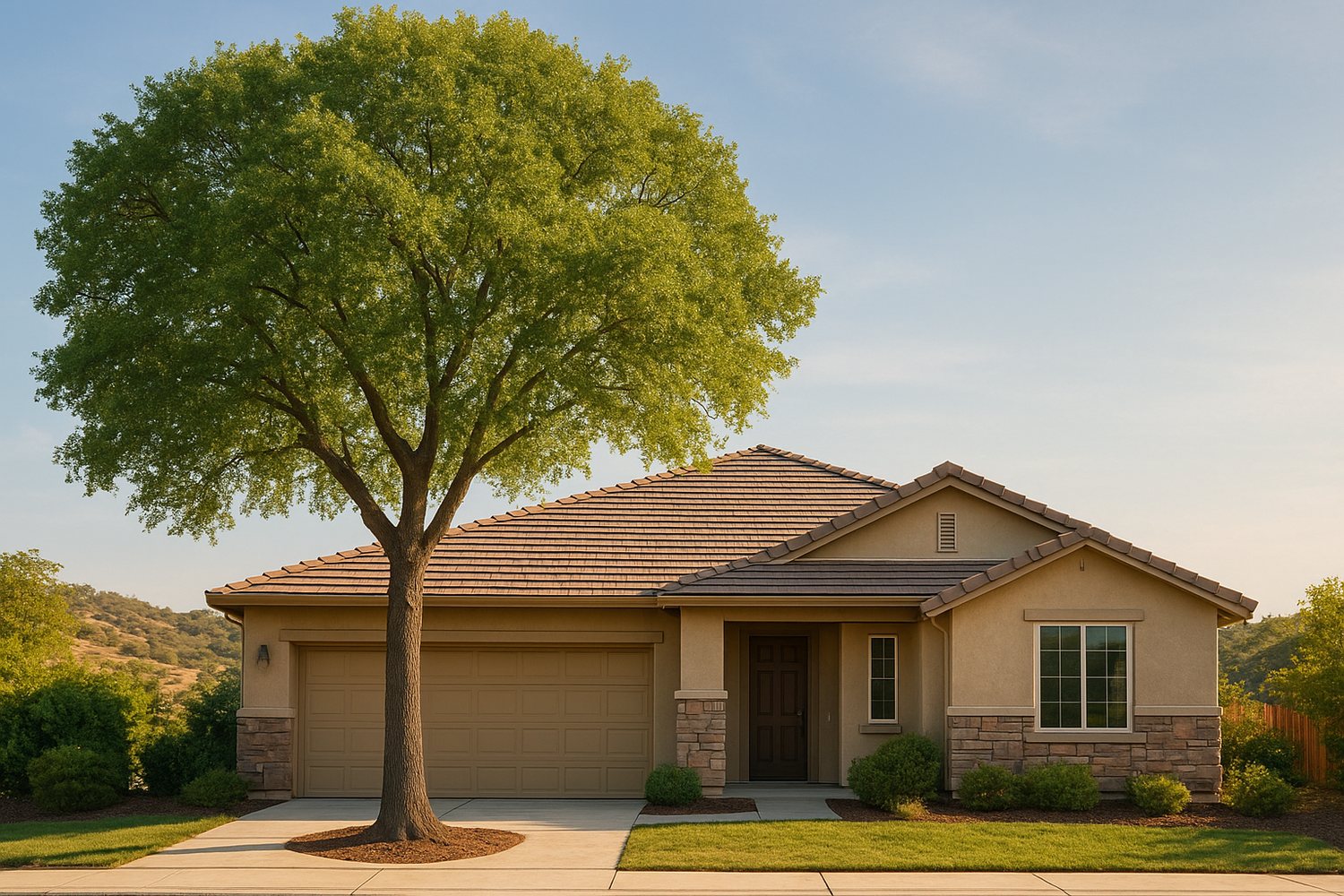
Protecting Valley Oaks During Landscaping Work
Home landscaping projects can inadvertently harm valley oaks. Discover straightforward steps to protect these iconic California trees during outdoor construction.
Existing valley oaks are a treasure in foothill communities and cities alike. Knowing how to protect these native trees during landscape and hardscape work is crucial for keeping your shade and your property’s value.
Why Existing Oaks Matter in Home Landscapes
Valley oaks are not only part of our regional identity—they provide deep natural shade and vital habitat. Homeowners in places like Rocklin, Folsom, and Auburn know a mature oak’s canopy can keep outdoor living spaces cooler and more enjoyable in our long, hot summers.
Beyond beauty and comfort, oaks represent hundreds of years of slow growth. Their extensive underground roots interconnect with local ecosystems, supporting birds and wildlife unique to Northern California landscapes. Once lost to construction damage, an established oak cannot be replaced in a homeowner’s lifetime.
That’s why it’s crucial to carefully plan any landscaping or hardscape upgrade around existing oaks, whether adding patios in Granite Bay or reshaping plantings in Roseville. Protecting oaks is both a practical investment and a stewardship responsibility.
For more in-depth advice on selecting, planting, or caring for shade trees, see our mainTrees and shade plantingpage.
Risks to Oaks from Outdoor Construction
Common outdoor upgrades—new patios, pools, or retaining walls—involve excavation, soil movement, or heavy machinery, putting oak trunks, roots, and canopies at risk. Damage isn’t always obvious; roots, in particular, are vulnerable to disturbance even if the tree itself looks untouched.
The most critical root zones typically extend well beyond the visible dripline of the canopy. Digging or compacting soil in this area can lead to root decline, which may not show symptoms in the canopy for years, making prevention crucial.
Even minor elevation changes around a mature oak, such as from importing soil for turf or planters, can suffocate roots by reducing soil oxygen. Fencing off root zones and planning work to avoid disturbance is the first defense.
- Root damage can be invisible at first.
- Heavy equipment compacts soil even without digging.
- Adding or removing soil around roots disrupts natural balance.
How to Identify the Critical Root Zone
Protecting a valley oak starts with recognizing its critical root zone—the area you must shield from compaction, digging, or excess water. As a rule of thumb, the root zone extends at least one and a half times past the canopy or dripline.
Measure from the trunk to the edge of the outermost branches. Picture a circle around the tree at that distance; add another half that radius again for safety. Within this area, limit traffic, excavation, and soil amendments.
Marking this zone with fencing and clear signage ensures all crews are aware. For large oaks or complex projects, consulting with an ISA Certified Arborist can give you personalized safeguards for your specific site.
- The dripline is not the root zone. Expand your buffer.
- Roots often spread wider than the foliage.
- Physical barriers keep damage from happening by mistake.
| Action | Effect on Oak Trees | Recommended Approach | Long-term Outcome |
|---|---|---|---|
| Digging Near Roots | Severe root damage, delayed decline | Hand-dig or reroute; avoid where possible | Tree stays healthy and vigorous |
| Adding Soil on Roots | Root suffocation, increased disease | Leave original grade, minimal mulch | Roots remain oxygenated |
| Summer Irrigation | Fungal diseases, poor health | No added water in root zone | Disease kept at bay |
| Heavy Machinery | Soil compaction, root injury | Fence off root zone, alternate routes | Roots undisturbed, tree thrives |
Practical Protections During Hardscape and Landscaping Work
Before equipment arrives, install sturdy fencing around the critical root zone. Use bright tape or clear signs to flag the protected area. This physical barrier keeps vehicles, tools, and foot traffic from compacting soil near the tree.
All concrete pours, trenches, or soil changes should be planned with the oak’s protection zone in mind. Never cut large roots (those as thick as a thumb or larger) unless absolutely necessary, and avoid adding new irrigation or surface water inside the root area.
If work must approach the root zone, methods like air excavation or hand-digging may reduce damage. Experienced contractors in our region understand how to sequence jobs to minimize risk to oaks during concrete, pool, or planting work.
- Install temporary fencing outside the root zone.
- Divert runoff from concrete or new irrigation away from oak roots.
- Communicate with all contractors and subs about restrictions.
Common Mistakes to Avoid When Working Near Oaks
The biggest mistake is underestimating the importance of the root zone. Homeowners sometimes focus on protecting trunks and visible branches, overlooking critical underground roots. Never allow excavation, paving, or heavy traffic inside the protected root area if it can be avoided.
Another common oversight is changing natural grade or drainage patterns. Covering roots with soil, mulch, or paving can suffocate them or introduce fungus. Similarly, extra irrigation meant for lawns or flowerbeds can actually harm oaks, which are adapted to our summer-dry soils.
Finally, avoid pruning major limbs except when absolutely necessary and under professional guidance. Unnecessary trimming or topping can open large wounds, making trees vulnerable to disease in our Mediterranean climate.
- Don’t overwater—oaks dislike summer irrigation.
- No soil, mulch, or concrete directly on the root crown.
- Minimize pruning and never top an oak.
To explore additional ways to upgrade your home landscape, visit our overview of allLandscaping options.
Selecting and Placing New Shade Trees Near Existing Oaks
Adding new shade trees for the future is possible, but careful placement is key. Leave ample space—at least 20 to 30 feet—from mature oaks to reduce competition for resources and avoid disturbing established root systems.
Choose drought-adapted, regionally appropriate species that thrive in the same soils as oaks. Avoid trees that need heavy water or fertilization. This approach respects both your landscape’s heritage and its future resilience.
When planting near oaks, hand-dig small holes outside the root critical zone. Never trench or cut through major roots. And always select quality nursery stock suited to local conditions for the best long-term results.
- Plant new trees far from the oak’s dripline.
- Select natives or drought-tolerant choices such as blue oak, manzanita, or buckeye.
- Use minimal amendment when planting—oaks thrive in local soils.
Regional Considerations for Homeowners in Placer and Sacramento Counties
Valley and blue oaks respond differently to disturbance compared to other trees common in landscapes. Our soils—whether decomposed granite in Auburn or loam in Roseville—drain well, which is just what oaks need.
Winter and spring are the best times for any soil disturbance, as oaks are least stressed during dormancy. Avoid major work around oaks during the heat and drought of midsummer, when they are most vulnerable.
Local regulations may protect heritage trees or require tree protection plans for major projects, especially in newer developments. It’s wise to check city or county guidelines before you start any significant work.
- Oaks thrive in native soils; avoid fertilizers for established trees.
- Plan major work between late fall and early spring.
- Permits may apply for work near protected trees.
Ensuring a Premium Outcome: Teamwork with Your Contractor
Effective oak protection results from good communication and planning. Share your tree protection priorities with your outdoor contractor and request tree-safe practices well before work begins.
A knowledgeable contractor will help coordinate fencing, sequence construction to avoid damage, and recommend specialists like arborists for complex cases. Insist that every site walk includes a review of your oak protection area.
Ultimately, protecting oaks is about working with professionals who understand their role in your landscape’s health for years to come. Trust those who value these trees as much as you do, ensuring your investment builds on—not diminishes—your most valuable outdoor assets.
- Walk the site with your contractor before work starts.
- Agree on boundaries and tree-safe practices.
- Get an arborist’s input if there’s any uncertainty.
Ready for a personalized plan?Request a consultationto discuss how your next project can protect your oak trees and maximize your outdoor space.
Planning a landscaping project?
Call or text 916-741-0633, or email sales@californiahardscapes.com with your address, a short description and a few photos, and we will arrange a consultation.