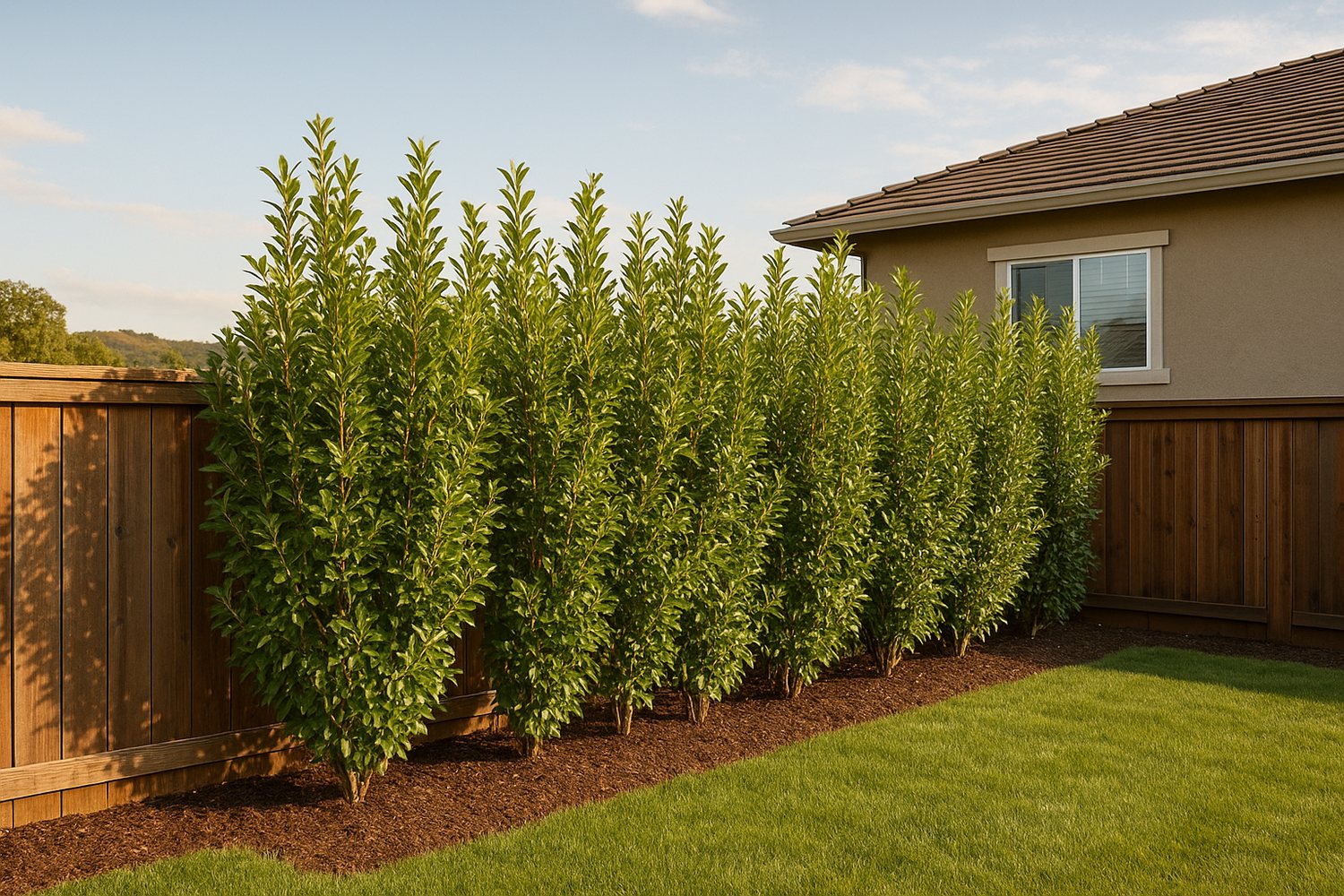
Planning Backyard Privacy with California-Friendly Plant Screening
Thoughtful planning and region-appropriate plant choices create private, welcoming backyard spaces. Learn practical techniques for effective screening.
Want to add privacy to your backyard? Screening with the right plants combines function with beauty and works especially well in our region’s climate.
Why Prioritize Backyard Privacy?
Privacy is more than just a barrier; it shapes how you use and enjoy your backyard. Whether you’re unwinding by the pool or entertaining guests, having a secluded area away from neighbors or street views makes a real difference. With homes in Rocklin, Roseville, Granite Bay, Folsom, and Auburn more closely spaced than ever, well-planned screening matters.
Natural plant screening offers a living solution that adapts over time. Unlike fencing, it softens hardscape features, blends seamlessly with landscaping, and can even provide shade or habitat for birds. Choosing the right mix of plants can make your yard feel like a personal oasis without compromising aesthetics.
Thoughtful privacy solutions also support harmony within your neighborhood. Plants reduce noise, create visual boundaries, and still look welcoming from all angles. With proper planning, your yard can have both openness where it’s wanted and seclusion where it’s needed.
Explore more ideas for privacy and beauty on ourBackyard landscapingpage.
Know Your Goals: How Much Privacy Do You Really Need?
Before choosing plants or layouts, consider the level of privacy you need in different backyard areas. Do you need total seclusion along the fence line, or just a filtered buffer around patios or play zones? List your highest-priority spots: poolside retreats, outdoor kitchens, or perhaps exposed side yards.
Think about sight lines—from your home to neighbors, and from the street into your yard. Observing sun angles throughout the day can also help guide plant selection, as dense screening could impact light in outdoor living areas. Functional screening doesn’t have to mean a continuous wall of green.
It’s also wise to balance privacy needs with aesthetics, views, and existing landscape features. Sometimes partial screening or staggered plantings provide enough privacy while keeping a spacious, inviting feel. Revisit your goals as you plan—small tweaks early on make big differences later.
Regional Essentials: Selecting Plants that Thrive Here
Our local climate across Placer, Sacramento, and El Dorado counties presents both opportunities and challenges. Summers are hot and dry, winters can be chilly and damp, and plant choices need to handle swings in temperature and rainfall. Choosing locally adapted species means your investment will look good for years and require less maintenance.
Focus on evergreen shrubs and small trees for consistent year-round screening. Some tried-and-true options include California bay laurel, Pacific wax myrtle, Italian cypress, and photinia. For softer borders, consider multi-trunk crape myrtle or manzanita. Native selections often need less irrigation and fend off common pests.
Make sure to account for mature height and width, both for effective privacy and for avoiding crowding walkways, fences, or pool decks. Your plant palette should work with the scale of your yard and coordinate with hardscaping or patio structures for a cohesive look.
bullets: – Evergreen shrubs: year-round coverage – Drought-tolerant species reduce water use – Choose plants resistant to local pests and diseases
Designing Layers: Effective Layout Techniques
A layered approach creates natural-looking screens that don’t feel boxy or forced. Use a mix of heights: tall trees or columnar shrubs at the back, mid-sized evergreens in front, and lower-growing plants or grasses at the edge. This layout not only maximizes privacy but also introduces movement and subtle color transitions.
Spacing matters—leave enough room for each plant’s mature size, and stagger placement for a fuller, richer screen. Clumping shrubs in groups of three or five creates depth and avoids a ‘soldier line’ effect. Intermingle seasonal interest, like flowering viburnums or berry-producing toyon, for year-round appeal.
Designing plantings with gentle curves (rather than straight lines) softens the transition from lawn or patio areas and makes the yard appear more spacious. Think of privacy screening as part of the entire landscape plan, tying together zones like patios, fire pits, or play spaces.
bullets: – Mix plant heights and textures – Stagger spacing for density – Combine evergreens with seasonal accents
| Privacy Option | Immediate Effect | Maintenance | Cost Over Time | Added Benefits |
|---|---|---|---|---|
| Tall Fencing | Instant | Low–Moderate | Moderate | Security, Pet Containment |
| Evergreen Shrubs | 1–2 Years | Moderate | Low | Year-round Greenery, Wildlife Habitat |
| Mixed Planting | 2–3 Years | Moderate | Low | Seasonal Interest, Visual Softness |
| Combo: Fence + Plants | Instant + Maturing | Moderate | Moderate | Best of Both, Increased Curb Appeal |
Comparing Privacy Screening Options: Plants vs. Fencing
Choosing between natural plant screens and traditional fencing depends on your privacy goals, style preferences, and practical needs. Both options offer benefits and can even be combined. While fences provide instant separation, living screens grow into their roles and adapt over seasons.
Consider cost, maintenance, and desired aesthetics. Fences generally need less water but periodic cleaning or painting. Plants, while requiring time to mature and some upkeep, can offer fragrance and wildlife habitat, and are often more visually inviting. The local look of plant screening blends well with California’s outdoor-focused lifestyle.
Sometimes using both in sequence works best: a simple fence for immediate privacy, softened by generous plantings in front. Whatever your strategy, ensure your choices fit your routine—whether you enjoy hands-on gardening or want the lowest possible maintenance.
Compare all of yourLandscaping optionsfor outdoor living in one place.
Maintenance and Growth: Setting Realistic Expectations
Every living screen requires some care. Plan for weekly or seasonal tasks like mulching, pruning, shaping, and replacing occasional plants that underperform. Most evergreens chosen for privacy grow at a moderate pace, but it can take a couple of seasons for them to fill in and provide maximum screening.
Think ahead about irrigation—install drip lines or bubblers early during planting, especially in hot, dry summers. Mulch helps retain moisture and reduces weeds, keeping maintenance manageable. Many native or drought-tolerant varieties, once established, only need occasional deep watering.
If you prefer a hands-off approach, opt for slower-growing, low-maintenance shrubs or consider incorporating decorative hardscape features to minimize planted areas. Communicate your maintenance priorities with your landscape designer or builder to fine-tune plant choices and layout.
Integrating Screening into the Whole Backyard Plan
Privacy screening isn’t just a backdrop—it should enhance how you use your entire yard. Blend screens into outdoor rooms like patios, pools, or built-in kitchens. Use plant groupings to shield utility areas without cutting off air or sunlight. Thoughtful screening guides movement and defines gathering spots.
Incorporate screening plants with other features like retaining walls, water features, or lighting to create focal points and add ambiance after dark. Mixing textures—stone, wood, and living plants—grounds the yard and creates balance, especially in small or oddly shaped spaces.
Keep neighboring property lines and views in mind. Successful screens add value and curb appeal for both you and your community. A little planning makes privacy feel like a natural part of your yard, not an afterthought.
Getting Started: Professional Planning and Personal Touch
Whether you’re starting from scratch or upgrading existing landscaping, a clear plan and honest input make all the difference. Work with a professional who knows our region’s conditions and can suggest reliable species and practical layouts for your lifestyle and your yard’s unique footprint.
Involve your household in the planning process. List must-haves—whether it’s low maintenance, pet-friendliness, or privacy for specific zones—so your landscape is enjoyable for everyone. Trust both your eye and expert recommendations to smartly balance privacy with beauty.
California Hardscapes builds every project with skilled, licensed local contractors. For real-world advice or a site visit, reach out to Marty or the team—local expertise and practical solutions help bring your outdoor privacy vision to life.
Have questions about plant screening?Request a consultationwith California Hardscapes.
Planning a landscaping project?
Call or text 916-741-0633, or email sales@californiahardscapes.com with your address, a short description and a few photos, and we will arrange a consultation.