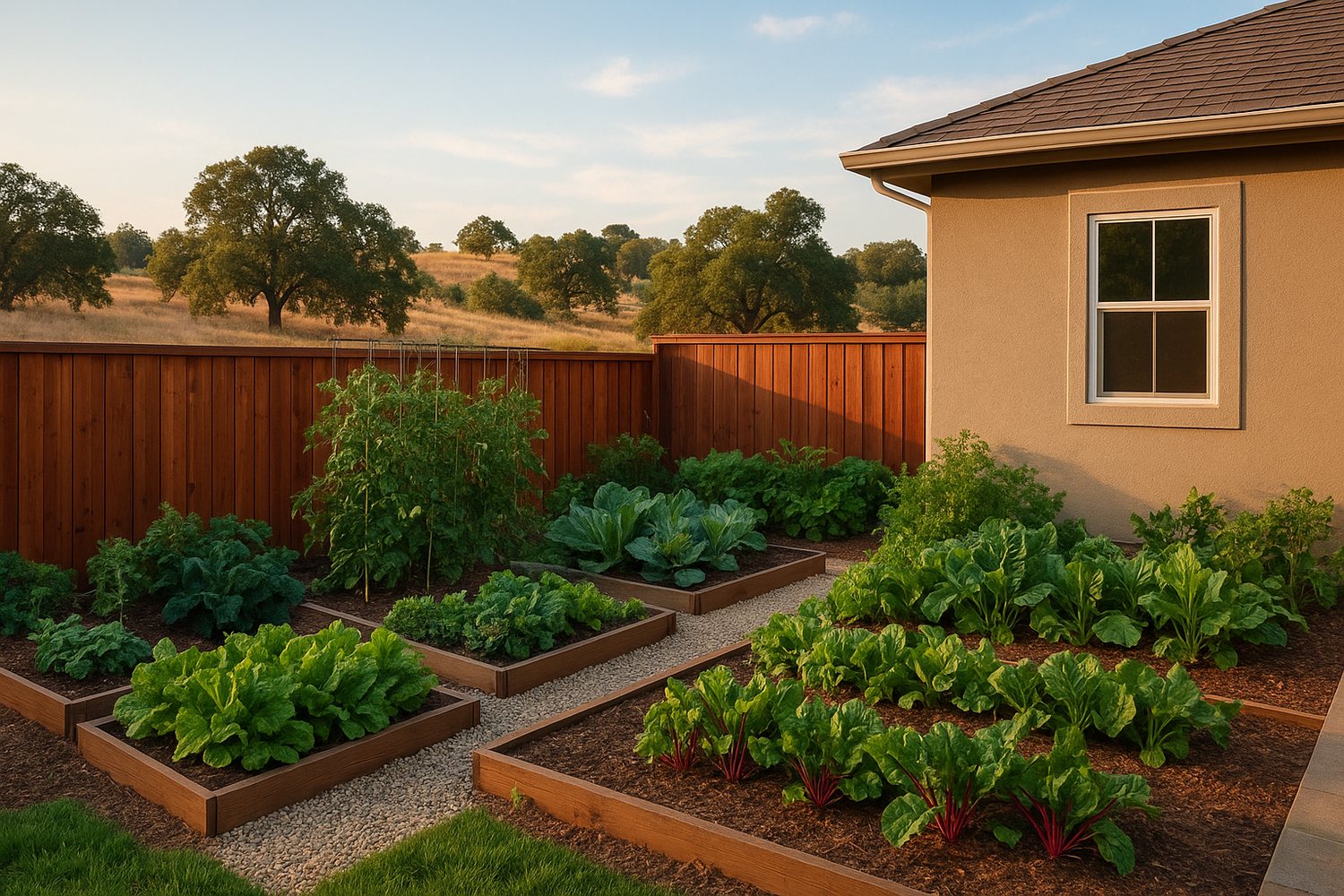
Choosing Low-Upkeep Backyard Plants for Northern California
Selecting low-upkeep backyard plants is a smart move for lasting beauty and savings. Learn how the right greenery fits our region and keeps outdoor spaces thriving with less effort.
For homeowners in the Rocklin, Roseville, Granite Bay, Folsom, and Auburn area, choosing the right backyard plants can make landscape care simpler and more rewarding.
Why Low-Upkeep Plants Matter Here
In Northern California, water conservation isn’t just smart—it’s often necessary with our summer heat and periodic drought. By choosing low-upkeep backyard plants, you’re selecting varieties that can thrive without constant maintenance, freeing up your weekends for more enjoyable activities. It’s also an investment in the long-term health of your space and community.
Low-maintenance plants usually require less water, fertilizer, and attention. This saves you money and reduces your landscape’s environmental footprint. These plants often have natural defenses against local pests or conditions, meaning fewer chemicals and less intervention over time.
Making low-upkeep choices isn’t about limiting your design options. With the wide variety of attractive, hardy plants suited for the foothills and Valley, you can achieve a look you love—with less sweat and stress each season.
- Less watering and fewer chemicals
- Reduced pruning and deadheading
- Consistent visual appeal with minimal effort
Explore more solutions on ourBackyard landscapingpage for ideas tailored to your unique yard.
Plant Selection: What Thrives in Our Region
Placer, Sacramento, and El Dorado Counties share a climate with hot, dry summers and cool, wet winters. Plants native to the Sierra foothills or California valleys typically adapt best. Popular choices include California lilac, manzanita, lavender, and salvia—each offering color, texture, and resilience.
When picking plants, look for those labeled as drought-tolerant and sun-loving. Evergreen shrubs like rosemary or boxwood add structure year-round. For seasonal blooms without fuss, try yarrow or penstemon, which attract pollinators but need little care.
Be sure to match your choices to your specific microclimate. Some neighborhoods get more wind, shade, or frost than others. If in doubt, consult a local garden center or landscaping expert who knows the area as well as you do.
- California lilac (Ceanothus)
- Manzanita
- Lavender
- Salvia
- Yarrow
Balancing Beauty and Effort
Low-upkeep does not mean bland. Many California natives and Mediterranean plants offer vibrant flowers, striking foliage, or year-round greenery. The key is in how you combine these selections for a cohesive landscape design.
Limit areas of high-maintenance plants to focal points such as near pathways or patios. Use groundcovers like creeping thyme or blue fescue to suppress weeds and soften hardscape edges. For larger areas, clusters of shrubs and ornamental grasses can provide texture with minimal input.
Consider how each plant grows. Will it fill space quickly, or does it need careful shaping? Grouping plants with similar water and sunlight needs will make irrigation and upkeep much simpler in the long run.
- Focus showy plants near key gathering spaces
- Use groundcovers to reduce mulch and weeding
- Cluster by water and sunlight needs
| Plant Type | Water Needs | Sun Exposure | Maintenance Level |
|---|---|---|---|
| California Lilac | Low | Full Sun | Very Low |
| Manzanita | Low | Full Sun | Low |
| Lavender | Low | Full/Partial Sun | Low |
| Western Redbud | Moderate | Full/Partial Sun | Low |
| Creeping Thyme | Low | Full Sun | Very Low |
Irrigation and Soil Tips for Low-Maintenance Success
Even drought-tolerant plants need watering until established. Install a simple drip irrigation system or use soaker hoses to keep roots healthy while reducing runoff and evaporation—critical in our climate.
Healthy soil helps plants defend themselves against pests and stress, so start with quality planting mixes, compost, and mulch. Mulch keeps roots cool, curbs weed growth, and holds moisture where it’s needed.
Check your irrigation system seasonally. Overwatering is a common cause of plant problems in this region, especially across clay or compacted soils. Adjust timing based on weather and plant maturity to keep landscapes thriving with less work.
- Use drip irrigation for targeted watering
- Mulch to conserve moisture and suppress weeds
- Monitor soil for saturated spots
Trees and Shade: Low-Upkeep Choices
Trees don’t just provide shade—they can also help regulate backyard temperatures and reduce long-term water needs. Valley oak, Chinese pistache, redbud, and bay laurel grow well here and are reliable with modest care once established.
When adding trees, space them with future growth in mind and use mulch to keep soil moist in the critical first years. Avoid heavily littering trees if minimal cleanup is a top priority.
Selecting drought-tolerant varieties ensures less supplemental watering as trees mature. Match your choices to site conditions—some tolerate wind or clay soils better than others. Start with modestly sized trees for easier root establishment.
- Valley oak
- Chinese pistache
- Western redbud
- Bay laurel
For the full range of outdoor possibilities, check out ourLandscapingoptions overview.
Common Mistakes and How to Avoid Them
A frequent pitfall is falling for beautiful plants at the nursery without checking if they truly thrive in our local soil and weather. Avoid plants that demand frequent watering or pruning in the heat—they’ll cost you time and may not last.
Another mistake is clustering thirsty, shade-loving plants with drought-hardy sun-lovers. This creates conflicting watering needs that can make care complicated and inefficient.
Finally, many homeowners overlook their soil quality. Skipping soil amendments or planting without checking drainage often leads to struggling or declining plants, no matter how hardy the species.
- Don’t mix plants with opposite watering needs
- Check plant labels for regional suitability
- Prepare soil well before planting
When to Ask an Expert
Designing a landscape that’s both beautiful and easy to care for takes some careful planning. If you’re not sure about plant choices or irrigation strategies, it’s wise to consult with local professionals who understand regional quirks and soil types.
An expert can suggest plant groupings, soil amendments, and irrigation techniques tailored to your exact property. This helps prevent wasted time and frustration while boosting your landscape’s long-term health.
Keep in mind that establishing any new plants requires some up-front attention. If you’re overhauling large areas or building new features, coordinating with a trusted landscape contractor ensures a seamless, low-upkeep outcome.
- Consult pros on plant selection and layout
- Get soil tested before planting
- Seek help for irrigation design
Start Simple—And Stick With What Works
Focus your first efforts on foundational plants that provide structure across the seasons—like evergreen shrubs or dependable groundcovers. Once these thrive, you can add accent plants or relocate anything that’s underperforming.
Evaluate your backyard’s biggest challenges, such as hot sun, wind, or poor soil, and choose your initial plantings accordingly. Too many changes at once can lead to overwhelm and unwanted surprises.
Above all, keep updates manageable. Tackle one zone or bed at a time to build a lush, low-upkeep landscape that suits your lifestyle and the practical realities of Northern California.
- Begin with the backbone: shrubs and groundcovers
- Refine over time with accent plants
- Address unique site challenges first
Ready to simplify your landscape?Request a consultationwith California Hardscapes today.
Planning a landscaping project?
Call or text 916-741-0633, or email sales@californiahardscapes.com with your address, a short description and a few photos, and we will arrange a consultation.