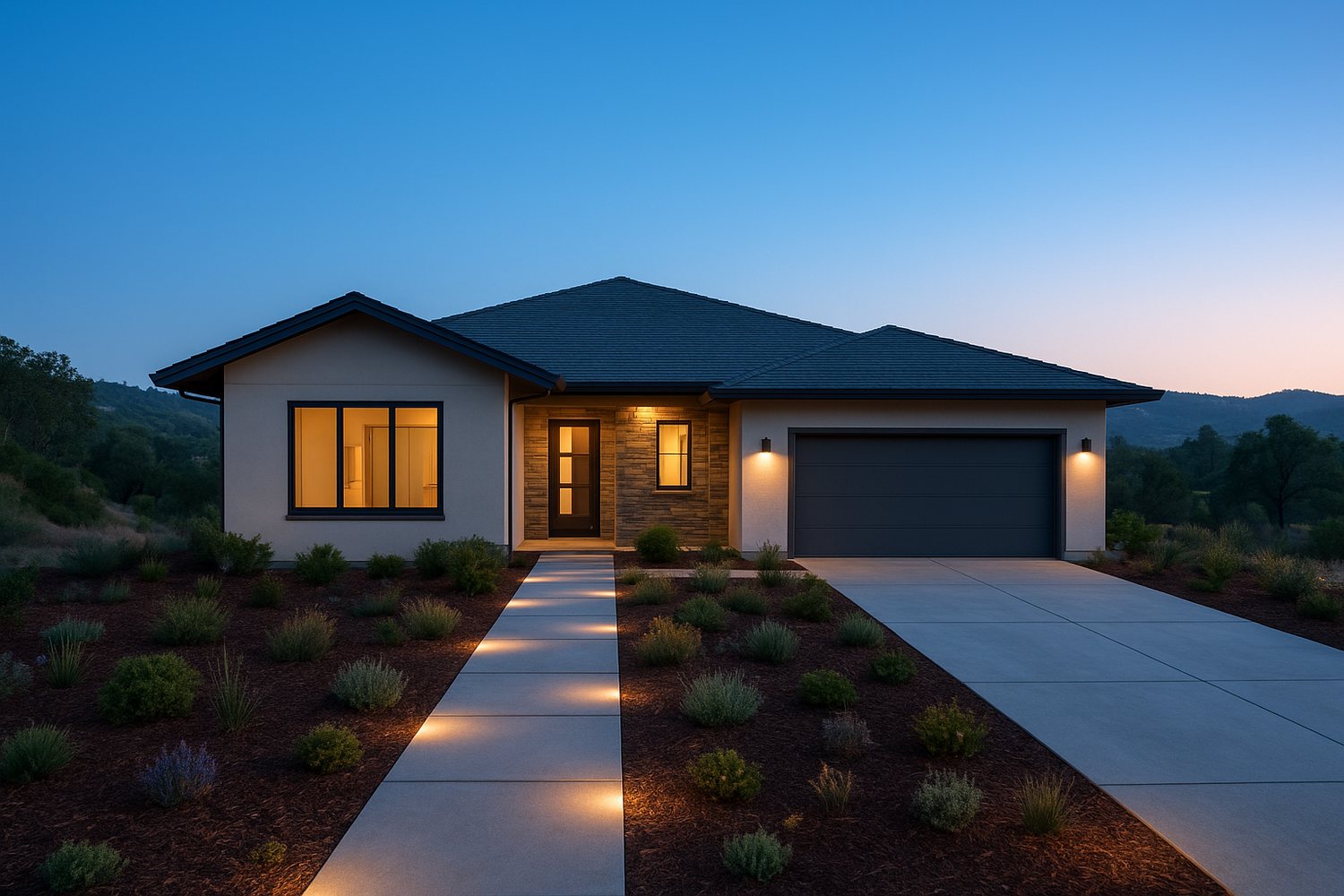
Planning Outdoor Low-Voltage LED Lighting That Grows With You
Get strategic about low-voltage LED lighting so your outdoor system adapts as your landscape evolves. Plan for growth from the start.
A well-lit landscape never stands still. Here’s how to plan low-voltage LED lighting you can expand as your outdoor living spaces grow.
Why Plan for Lighting Growth Now?
Outdoor spaces in Rocklin, Granite Bay, and nearby areas rarely stay the same for long. New patios, plants, or features may join your landscape in the coming years. Planning your low-voltage LED lighting system with future growth in mind prevents rework and lets you add fixtures as your needs change.
Many homeowners are surprised by how quickly a basic path or patio lighting plan starts to feel incomplete. If you host more events, add a pergola, or upgrade your pool area, an adaptable lighting layout can make all the difference. A bit of forethought pays off when your outdoor space evolves.
Smart planning means installing infrastructure that never boxes you in. By thinking ahead, you’ll not only save on future installation costs, but also maintain the flexibility to showcase each new outdoor highlight as your landscape matures.
- Accommodate new features and zones
- Minimize disruption during updates
- Support both present and future uses
To explore more about tailored low-voltage LED lighting for your home, check out ourLow-voltage LED lighting systemspage.
Assessing Your Current and Future Needs
Start by listing what you’d like to light right away: entry paths, patio steps, garden beds, or a pool surround. Next, take an honest look at possible changes ahead: could you add a firepit, plant trees, or build an outdoor kitchen? Planning for possible zones helps avoid limitations down the road.
In Roseville, Folsom, and Auburn, landscapes transit between drought-tolerant beds and new social spaces—trends often shift with the seasons. That means today’s priorities may not match your needs in three or five years. A flexible lighting strategy supports these transitions.
Don’t hesitate to sketch ideas or consult with local pros familiar with regional materials and growth patterns. It’s easier to include capacity for extra zones and wire runs at the start than to retrofit a rigid system later.
- Identify current lighting priorities
- Anticipate future landscape upgrades
- Consider seasonal changes and trends
Core Components of an Expandable LED System
The heart of a flexible low-voltage LED lighting setup is its transformer. Select a transformer with extra wattage headroom—enough to handle your current lights plus more down the line. This gives you options to add fixtures without hunting for a bigger unit later.
Running conduit, not just wire, helps as well. A solid backbone of conduit allows easy pull-through of new cables when you want to expand. Position junction boxes at key hubs, especially in broad or multi-zoned yards found in Placer County neighborhoods.
Fixture choice matters: Opt for reputable, modular LED brands designed for outdoor use in Northern California’s climate. Modular components make repairs and changes easier as your system evolves.
- Choose a transformer with extra wattage
- Install conduit for future wire runs
- Use junction boxes for expansion points
- Select modular, climate-rated fixtures
| Component | Initial Cost | Upgrade Readiness | Best for Regions | Expansion Difficulty |
|---|---|---|---|---|
| Standard Transformer | Lower | Low | All | High |
| High-Capacity Transformer | Moderate | High | Larger yards, future growth | Low |
| Daisy-Chain Wiring | Lower | Low | Small/Fixed zones | High |
| Hub/Spoke Wiring | Moderate | High | Expanding zones | Low |
| Modular LED Fixtures | Higher | High | All | Low |
Wiring Layouts: Leave Room to Grow
The initial wiring layout can either unlock or restrict future additions. A loop or “hub and spoke” system is often best for growing landscapes around Rocklin and El Dorado County. It reduces voltage drop and helps balance power for future fixtures.
Avoid daisy-chaining all fixtures; instead, build in branching points where new runs can break off later. Even if you’re only lighting one section now, prep wire runs or capped junctions to anticipated new zones—garden beds, pergolas, or driveways.
While running conduit, place it deeper than required and leave some slack. This foresight makes upgrades easier as soil compacts and plants mature. Smart wire management today saves headaches tomorrow.
- Use loop or spoke-style layouts
- Plan separate runs for future zones
- Leave slack and depth for wire runs
Choosing Fixtures for Local Conditions
Fixtures for our region need to stand up to hot sun, winter rains, hard clay, and the occasional irrigation runoff. Look for powder-coated aluminum, brass, or high-grade composites rated for outdoor use—most reputable LED lines offer these options.
Consider fixture style flexibility: path, spot, and wall lights that can change location or angles are ideal for evolving gardens in Rocklin and Granite Bay. Avoid one-size-fits-all sets; modularity means you won’t outgrow your lighting.
Ask about IP ratings and warranty support, especially for ground fixtures or areas exposed to irrigation. Well-designed LEDs last years, but only if well-sealed against moisture, silt, and pests common to Placer and Sacramento County landscapes.
- Select durable, weather-resistant materials
- Prioritize modular, adjustable fixtures
- Check IP rating for moisture resistance
See all our region-specific solutions on theOutdoor Lightingoverview page.
Balancing Ambience, Safety, and Flexibility
Lighting isn’t just about visibility; your backyard should feel welcoming after dark, without harsh glare or dark corners. Different areas—like seating, paths, and accents—benefit from tailored fixture types and brightness levels.
Layering light with flexibility in mind ensures every new feature integrates smoothly. Separate circuits or zone controls give you the power to set moods or improve safety as you add spaces like patios or side yards.
Keep controls and transformers accessible for troubleshooting or expansion. Wireless or smart-control upgrades are easy to add down the line with compatible systems—another good reason to plan a few steps ahead at installation.
- Layer different types of lighting
- Use zone controls for flexibility
- Keep controls accessible for updates
Professional Insights: Installation in Our Climate
In Placer and neighboring counties, temperature swings, clay soils, and irrigation systems can challenge outdoor lighting installations. Experienced pros know to bury conduit below frost lines and away from irrigation lines to avoid later repairs.
Soils in Rocklin, Granite Bay, and Folsom can be especially tough, sometimes requiring specialized trenching tools to create clean runs for conduit and wires. Planning for proper drainage around fixtures helps protect against winter pooling and shifting soil.
Always use licensed, bonded, and insured contractors who understand regional codes and supplier quality. An expert eye can foresee challenges and recommend products that outlast quick-fix kits, ensuring your system stays reliable through all seasons.
- Bury conduit below frost level
- Avoid irrigation lines and roots
- Ensure drainage to prevent fixture damage
Making Lighting a Foundation for Outdoor Living
Strategic outdoor lighting isn’t a luxury—it’s a foundational element for comfort, security, and long-term property value. Start with a plan that accounts for future projects, whether you dream of that pool, outdoor kitchen, or expanded garden.
Remember, the most successful systems are easy to expand and adapt, just like your landscape dreams. From a simple entry path to a fully realized backyard oasis, upgrade at your pace without backtracking on earlier investments.
Ready to start planning your outdoor lighting with confidence and flexibility? Seek guidance from professionals who understand local materials, construction techniques, and the value of lasting craftsmanship. Your landscape will thank you for years to come.
- Start flexible, finish strong
- Integrate lighting with outdoor upgrades
- Build value as your property evolves
Ready to talk strategy?Request a consultationwith the California Hardscapes team today.
Planning an outdoor lighting project?
Call or text 916-741-0633, or email sales@californiahardscapes.com with your address, a short description and a few photos, and we will arrange a consultation.