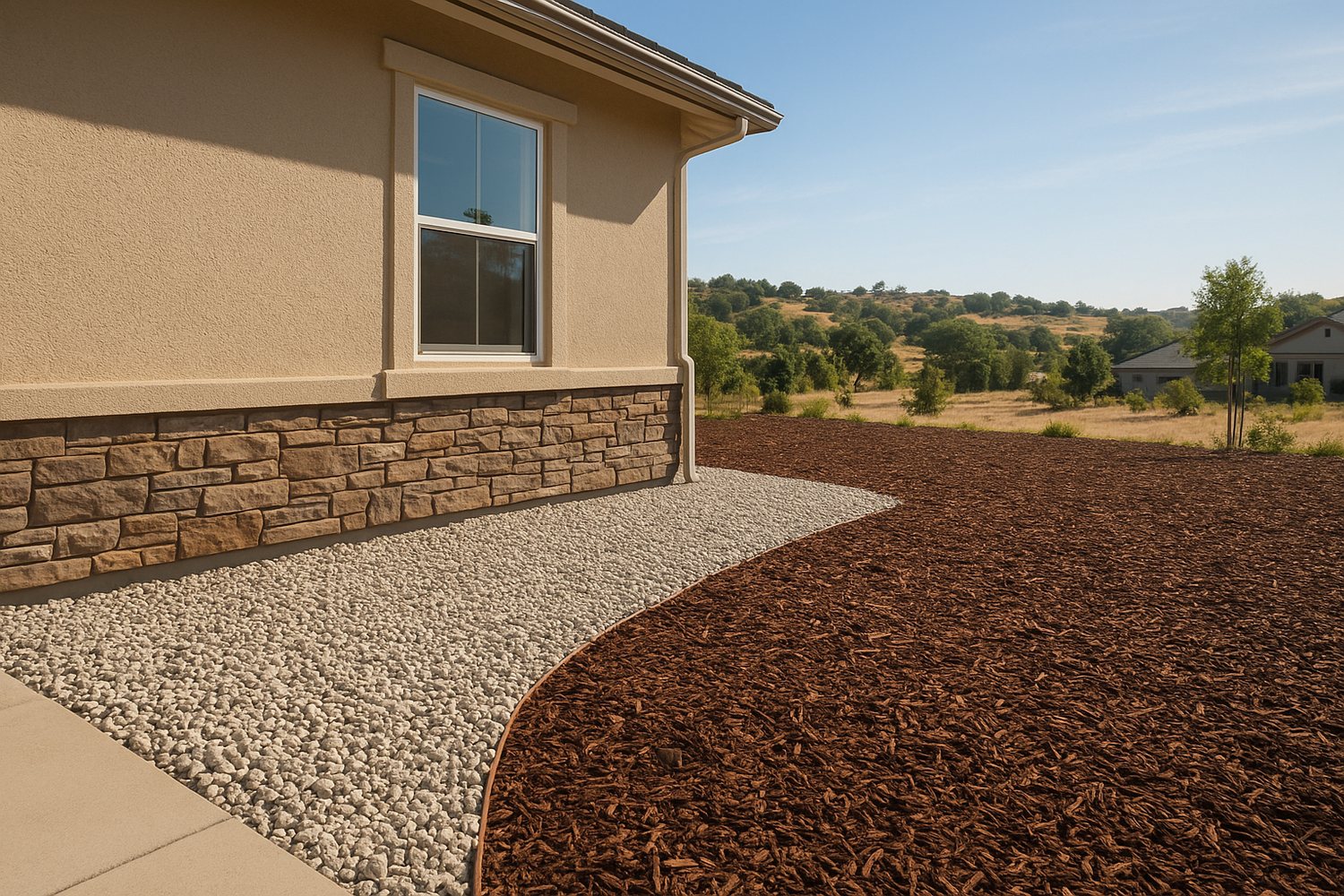
How Deep Should You Spread Mulch? Tips for Placer Area Homes
Getting mulch depth right is critical to healthy, thriving landscapes in California’s hot summers. Here’s what local homeowners should know.
Mulching is one of the simplest ways to enhance and protect your landscape. But choosing the right mulch depth makes all the difference for local conditions.
Why Mulch Depth Matters for Local Landscapes
The thickness of mulch you apply—whether bark, wood chips, or another organic material—directly affects how well it shades the roots, suppresses weeds, and conserves moisture. In the sunbaked summers of Rocklin, Roseville, and nearby areas, getting this right protects your investment in plants and beds.
If there’s too little mulch, you’ll notice weeds popping up and soil drying out quickly. Too much, on the other hand, can smother roots or invite pest problems. The climate in this region rewards a balanced, thoughtful approach.
Our local soils and climate combine for some unique mulch needs: heat, clay or rocky soils, and seasonal drought mean not every nationwide guideline works here. Let’s break down the best practices for California’s Sierra foothill communities.
Learn more details about types and uses of mulch and bark on ourMulch and Barkmaterials page.
Best Practices: Finding the Right Mulch Depth
A general rule for bark or wood chip mulch around ornamental beds and shrubs in our area: aim for a depth of 2 to 4 inches. This sweet spot blocks light for weed seeds, keeps soil cool, and lets water through. For finer or shredded materials, use the lower range to avoid compaction.
Groundcover areas, perennials, and annual garden beds often need less—around 1 to 2 inches—so plants aren’t overwhelmed. Trees with broad, established canopies can benefit from a ring of 3 to 4 inches, stopping short of the trunk to prevent rot.
Consistency matters. Spread mulch evenly, maintaining your chosen depth throughout the bed. Gaps or thick piles can create hot spots or choke moisture flow. Think of mulch as a smooth, breathable blanket—not a heavy tarp.
- Ornamental beds: 2–4 inches
- Fine mulch: 1–2 inches
- Tree rings: 3–4 inches, away from trunk
Avoiding Common Mulching Mistakes
Over-mulching may seem helpful, but layers over 4 inches can suffocate roots and turn into hiding spots for pests. It’s tempting to pile mulch high to banish weeds, but too much can trap excessive moisture at the soil line, especially on our clay soils.
Leaving mulch directly against tree trunks or woody stems invites fungal disease and decay. Always pull mulch back a few inches from trunks and stems, creating a donut shape instead of a mound (sometimes called “mulch volcanoes,” these are especially damaging).
Finally, don’t skimp on preparation. Remove weeds and water the soil before spreading mulch. If you’re refreshing an old layer, fluff the old mulch and top off only as needed to maintain the target depth.
- Don’t “volcano” mulch at trunks
- Too thick = root suffocation, pests
- Prep and weed before applying
| Plant Type | Recommended Depth | Material Example | Notes |
|---|---|---|---|
| Shrubs & Ornamentals | 2–4 in. | Bark, wood chips | Keep 2–3 in. from stems |
| Perennials & Groundcover | 1–2 in. | Shredded mulch | Monitor for compaction |
| Trees | 3–4 in. in a ring | Nuggets, coarse bark | Never pile at trunk |
| Annuals & Veggies | 1 in. | Fine wood chips | Refresh monthly in season |
| Pathways | 2 in. | Medium bark | Check for stability |
Mulch Depths by Plant Type: A Quick Reference
Different landscape features in Placer, Sacramento, and El Dorado Counties thrive with specific mulch depths. Matching the type of plant, sun exposure, and bed use to the ideal thickness ensures long-term health.
Use deeper layers on perennial and shrub beds where weed pressure and summer heat are highest. For fine or shredded materials, stay at the lower range to keep air and water moving. Vegetable and flower gardens generally do best with thinner, more frequently refreshed mulch.
Use this table as a practical guide when planning your next mulch application.
Choosing the Best Mulch Material for Our Region
Coarse bark and hardwood mulches last longest and best resist blowing away in windy foothill locations. These also tend to improve soil structure over time, but decompose slower than softwood blends or shredded products.
Shredded bark, forest fines, and wood chips are popular for beds needing a tidier finish or quicker soil improvement. Bark nuggets stay put but can float during heavy rains. Consider appearance, texture, and how often you want to refresh mulch.
For pet runs, playgrounds, or areas prone to termites or ants, specialized mulches can work, but check for material safety. If fire safety is a priority, skip thick layers near structures and use non-combustible zones next to the home.
- Lasting coverage: coarse bark or nuggets
- Quick breakdown: shredded, forest fines
- Check local regulations for fire-safe zones
Or browse all choices for your project on theMaterialsoverview for California Hardscapes.
When to Mulch: Timing for Success
The best time to lay new mulch is spring, after the rain but before peak heat, or fall before wet weather settles in. Early-season mulching stabilizes temperature swings and limits evaporation ahead of the dry months.
Refresh beds annually, more often in high-traffic or exposed areas where mulch compacts or breaks down quickly. Watch for thinning spots under drip systems or after heavy winds, which can strip away loose materials.
Always water thoroughly after mulching. This settles materials, reduces dust, and encourages moisture to reach plant roots before the next heatwave or dry spell.
- Best: spring or fall
- Water after mulching
- Top off bare spots as needed
Quick Tips for Measuring and Installing Mulch
To estimate how much mulch you need, measure the area’s length and width, and use the ideal depth you’ve chosen. For most beds, 1 cubic yard covers about 80 to 160 square feet at 2–4 inches deep—double-check your numbers before ordering.
Install mulch on calm days to prevent lightweight materials from blowing around. Rake out mulch evenly with a bow rake, and use your gloved hand to finish edges and around plants for a tidy finish.
To avoid compacting soil, try not to walk on freshly mulched beds. Give walkways or paths a slightly lower mulch depth to keep surfaces stable and minimize tracking into the home.
- Measure area and desired depth
- 1 cubic yard = 80–160 sq. ft., 2–4 in. deep
- Rake evenly; use hands for detail work
Maintaining Healthy Mulched Beds Year-Round
Check beds a few times per season for compacted areas, bald spots, or signs of mold. Fluff mulch with a rake to increase air flow and add a top-up layer if your depths dip below target.
Be alert to mulch washing onto pavement, especially after storms. Redirect downspouts away from beds and add edging if runoff is a chronic issue. Thick layers are not always better—aim for consistency, not volume.
Healthy mulch means fewer weeds, stable moisture, and happier plants. Proper care keeps your garden beds looking fresh and your yard requiring less maintenance all year.
Need help planning or estimating mulch for your yard?Request a consultationwith our team.
Planning a materials project?
Call or text 916-741-0633, or email sales@californiahardscapes.com with your address, a short description and a few photos, and we will arrange a consultation.