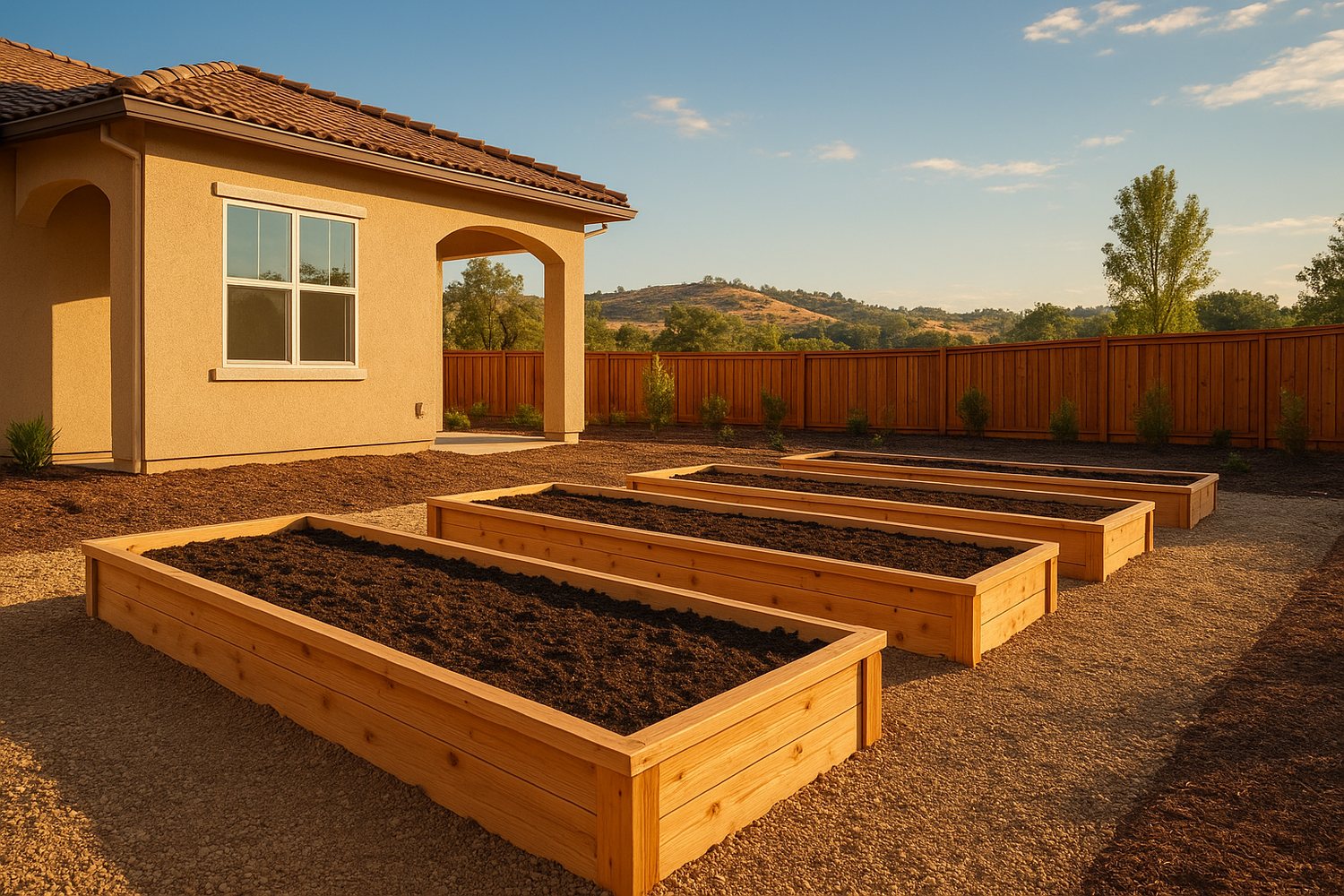
Planning the Right Soil for Raised Beds in Greater Sacramento
Learn the essentials of selecting and amending soil for raised garden beds in Placer, Sacramento, and El Dorado County communities, from a local expert perspective.
A thriving raised bed garden starts with the right soil mix. Here’s how to select, amend, and plan the perfect growing medium for our local conditions.
Understanding Local Soil Challenges
In Rocklin and the surrounding foothills, native soils often present challenges for raised bed gardening. The area’s clay-heavy ground can hold too much water in wet months and crack apart during our dry valley summers. Simply digging up backyard soil and filling your beds might lead to poor drainage and stunted plant roots.
Homeowners here must plan for these conditions when building or refilling raised beds. Commercially bought ‘topsoil’ varies greatly—some is little more than sandy fill, while others include compost or manure. Sourcing quality soil tailored for gardens is the foundation of a successful planting season.
It’s smart to test your native soil before mixing or topping raised beds. This way, you know if you need to amend for drainage, nutrients, or both. Local conditions mean what works in one backyard might not in another, even a few miles apart.
Common local soil traits:
For more depth on soil blends and amendments, visit ourTopsoil and soil amendmentspage.
What Makes Great Raised Bed Soil?
Excellent raised bed soil keeps roots happy—loose enough for air, but able to hold moisture and nutrients. A time-tested mix is roughly 60% screened topsoil, 30% plant-based compost, and 10% sand or perlite to boost drainage. Local home centers often sell "garden mix" blends, but always check the ingredient list.
The exact proportions can shift depending on what you plan to grow (vegetables, flowers, or woody plants) and the condition of your native soil. If in doubt, err on the side of adding more compost. It’s nearly impossible to have too much organic matter in Placer or El Dorado beds. Avoid heavy construction fill or unknown soils that may harbor weeds.
Consistency in texture is key—a handful of soil should be crumbly, not sticky, and plants love a home that doesn’t puddle or dry into bricks. Keep in mind: what you put beneath and around your beds impacts drainage as well.
Choosing Quality Topsoil: Know the Source
Not all topsoil is created equal. Look for screened topsoil—this means large debris and rocks have been sifted out, leaving a smoother base for your plants. Ask vendors where their topsoil is sourced, and request details about pH and organic content if possible.
Some bulk suppliers mix in fill dirt or sand to extend volume, which can diminish fertility and water retention. A premium topsoil should be dark, friable (crumbly but cohesive), and nearly odorless. Strong ‘earthy’ or compost smells are fine, but avoid soil that smells sour or rotten.
In our region, decomposition happens quickly in the summer heat. This means even high-quality topsoil should be boosted with organic amendments at planting and as a side-dress throughout the year.
| Material | Purpose in Beds | Local Benefits | When to Add |
|---|---|---|---|
| Screened Topsoil | Base material | Balances clay, supports structure | Initial fill, replenish as needed |
| Compost | Boosts fertility, texture | Feeds plants, speeds soil improvement | Annually, early spring/fall |
| Perlite/Sand | Improves drainage | Prevents waterlogging in clay | If drainage is sluggish |
| Mulch | Retains moisture, regulates temp | Protects roots year-round | After planting, late fall |
Picking and Using Soil Amendments
Soil amendments elevate garden performance. Local beds benefit most from compost, mulch, well-aged manure (not fresh from the coop or stable), and sometimes perlite or pumice. Finding the right balance enhances your soil’s texture and health.
For heavy clay beds—a common local challenge—add coarse sand, pine bark fines, and lots of compost to break up the soil. In established beds, mixing in organic amendments each spring helps keep soil alive and draining well, year after year.
If you see puddling or slow drainage even after amending, don’t hesitate to pull up a bit of soil and inspect the consistency. You may need to refresh mulch or top-dress with compost to maintain proper structure.
- • Compost builds fertility and moisture retention
- • Sand or perlite improves drainage
- • Mulch holds in water and moderates soil temperature
Raised Bed Depth and Underlayers
Raised beds in Rocklin, Auburn, or Granite Bay thrive with a minimum of 12 inches of high-quality soil, though 18 inches is ideal for root crops or deep-rooted vegetables. Remember that plant roots will also interact with the underlying soil, especially after several seasons.
If you’re building over clay, consider lining the bottom with a few inches of coarse gravel or lava rock to prevent a drainage bottleneck. Avoid using plastic sheeting— it can trap water and lead to root rot.
Layer in amendments from the start, but also plan to replenish compost each season. Healthy soil is dynamic and always changing, so your initial investment pays off over the lifetime of your garden.
Curious about other material choices? See all your options at ourMaterialsoverview.
Seasonal Considerations for Soil Health
Northern California seasons are tough on outdoor beds. Hot, dry summers and soggy winters require different soil care practices. In early spring, loosen the top few inches of bed soil before planting and work in fresh compost or manure as needed.
In late summer or fall, remove spent plants and mulch heavily with straw, leaves, or bark to protect soil from erosion and loss of organic matter. These mulches also moderate temperature swings and encourage earthworm activity.
A yearly recharge keeps your beds productive. Rotate crops, avoid compaction, and never let soils go bare for long stretches. Cover crops can be a smart addition if your garden takes a winter break.
Common Soil Problems and Easy Fixes
Compacted beds lead to slow growth and poor water absorption. Use a fork or broadfork in early spring to gently loosen soil—never turn it over completely, as this damages existing soil structure and microbe life.
Yellow leaves or poor plant color may signal low fertility. Top-dress beds with rich compost, or consider a balanced organic fertilizer if compost alone doesn’t solve the issue. Remember to water deeply and evenly.
Sluggish drainage can be persistent in our clay-heavy soils. Mixing in coarse sand, perlite, or pine bark fines alongside compost is the best fix. Avoid peat moss—it repels water when dry and holds too much when wet in California’s climate.
Where to Get More Advice and Supplies
Planning raised bed soil is an investment in your landscape’s health. From sourcing topsoil to choosing amendments, experience counts—especially when local conditions can trip up standard advice.
For premium outdoor improvements, it’s wise to work with professionals who understand native soil quirks in Placer and neighboring counties. Contractors with proven local expertise know what holds up to our summer heat and winter rain.
If you’re unsure where to begin or need specific material recommendations, reach out for a no-pressure conversation. Local suppliers and landscape construction experts can help you build a plan that fits your unique property and goals.
Ready to talk specifics?Request a consultationfor soil and raised bed planning.
Planning a materials project?
Call or text 916-741-0633, or email sales@californiahardscapes.com with your address, a short description and a few photos, and we will arrange a consultation.