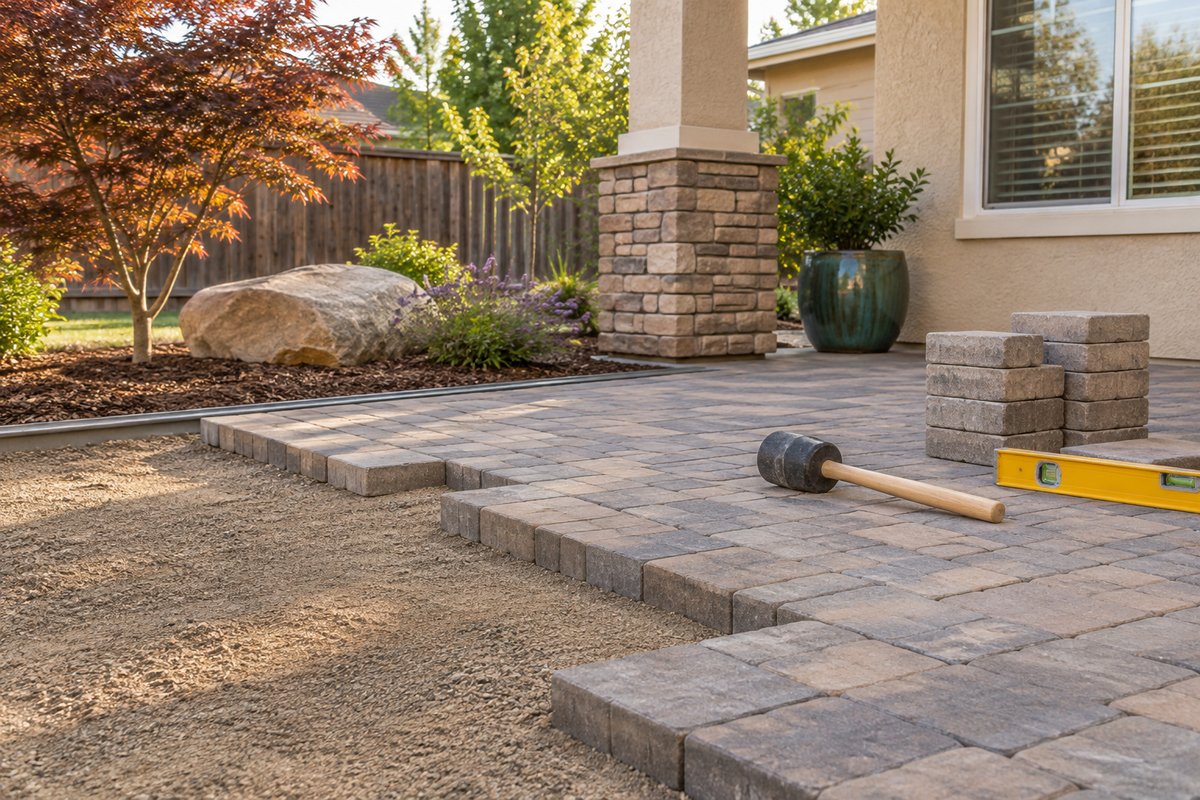
A Homeowner’s Practical Guide to Pavers & Patios in Citrus Heights
Thinking about a new paver patio, driveway, or walkway in Citrus Heights? Equip yourself with practical, local planning insight—from permits to weather prep—to set your project up for success.
Getting Started With Your Citrus Heights Paver Project
Whether you’re adding a new paver patio to your backyard, updating your paver driveway, or planning a stylish walkway, preparation is where long-lasting, high-quality results begin. Citrus Heights homeowners benefit from reviewing local requirements and site conditions ahead of time. City rules, neighborhood association covenants, and site-specific factors like soil and slope all play a role in shaping your finished outdoor space.
For planned renovations or replacements, consider the age and condition of what’s already there—many projects in Citrus Heights involve upgrading older patios, walkways or pool decks to weather the region’s summer heat and winter rain. Choices like permeable pavers, decomposed granite, or natural stone blend well with varied backyard uses and local style preferences. No matter your plan, clarity on the process helps avoid costly surprises.
California Hardscapes, led by Marty—who has worked in concrete and construction since age 17—delivers patio and paver work with integrity and skill. Every project is built by licensed, bonded, and insured contractors, reflecting a standard of excellence that benefits your home for years to come.
Permits, HOA Approval, and City Requirements
Before breaking ground, check the regulations that apply to hardscape projects in Citrus Heights. Many neighborhoods fall under Homeowners Association guidelines, especially when front yards, driveways, or public-facing elements are involved. Some projects, like larger patios, retaining walls, or substantial grade changes, may require permits. City requirements can change, so it’s always best to check directly with the appropriate office before planning or starting work.
Don’t assume all patios and paver driveways need paperwork—requirements often depend on project scale, structures involved, or stormwater management. Take time to understand your specific responsibilities, as dealing with permits or HOA submittals mid-construction slows everything down and can drive up costs.
For lighting, outdoor outlets, or upgrades that may require electric permits, the Sacramento Municipal Utility District (SMUD) site has detailed guidance for home projects in Citrus Heights. Connecting with your local planning office or HOA early is a smart move that paves the way for a hassle-free build.
Call Before You Dig: Locating Utilities
No matter how small your project, always call 811 before anyone puts a shovel in the ground. This free service marks the location of underground utilities—gas, electric, water, and more. Accidental damage to buried lines is both dangerous and expensive, and putting in pavers, steps or garden walls can cross paths with these lines.
California Hardscapes ensures new work is completed by licensed, bonded, and insured contractors, but confirming marked utility lines is a homeowner’s responsibility. Organizing a site walk with the 811 service before installation keeps everyone safe and your project compliant.
If you’re considering upgrades like illuminated paver and stone steps or a paver patio with built-in electrical features, coordinate with SMUD to ensure proper placement and code compliance. Early coordination reduces surprises and keeps your project on schedule.
Understanding Citrus Heights Soil and Slope
The soils in Citrus Heights range from dense clays to decomposed granite, affecting not just drainage but also settling and plant selection. Many older lots have compacted clay soils, which hold water during wet seasons and harden in summer. Before installing any paver patio or paver driveway, it’s vital to evaluate soil compaction and water movement—poor drainage leads to settling, shifting, or water pooling over time.
Sites with visible slope, either across a backyard or down toward the street, demand planning for runoff and stable foundations. It’s often necessary to incorporate grading measures or low retaining edges when building with pavers, flagstone, or gravel and decomposed granite. Proper planning preserves both your investment and your home’s landscaping during heavy rain.
Discuss all visible low spots, slopes, or water collection issues with your hardscape contractor before finalizing design. When matched to local soils and sites, permeable pavers can offer a durable solution that benefits stormwater management without sacrificing appearance.
Summer Heat and Winter Rain: Choosing Durable Options
Citrus Heights summers regularly surge above 100°F, putting both materials and craftsmanship to the test. Winter brings soaking rains that can reveal weaknesses in lesser-quality builds. Success comes from material selection paired with skillful installation—not just the latest trends, but proven solutions tailored for local conditions.
For patios that stay cool and resist cracking, many homeowners turn to concrete pavers, flagstone or natural stone, and travertine pavers. These materials, when installed correctly, handle thermal expansion and resist wear from rain or irrigation. Permeable pavers help manage runoff and are worth considering if your property tends to collect water, or as a thoughtful replacement for old concrete.
Don’t overlook patio sealing and maintenance—seasonal cleaning and professional paver repair, releveling, and sealing can extend the life of your investment and keep surfaces looking their best between seasons.
Drainage Solutions for Long-Term Performance
Effective drainage planning sets superior patio and paver projects apart from average ones. Citrus Heights gets its share of winter storms, and backyards here can experience rapid pooling if water has nowhere to go. During and after rain, areas near downspouts or slopes leading toward patios or pool decks need particular attention.
Options like permeable pavers or well-designed gravel patios allow water to filter through, reducing runoff and protecting downstream landscaping. For steeper properties, including a subtle grade or integrating stone steps keeps walkways accessible and safe.
After significant storms or during construction, using real-time data from the Sacramento County Forecast Briefing Page can guide site preparations and help avoid delays. Discuss interim steps with your contractor, especially if you anticipate heavy flow or need to stage materials off-site during rain.
Timing Your Project for Success
Planning the right time for patio or paver installation is about more than avoiding rain; it’s also about pavement curing, soil stability, and optimizing contractor availability. Late spring through early fall tends to offer the most reliable weather, though Citrus Heights enjoys a relatively long building season. Always check short and long-range forecasts using the local weather briefing to line up clear, dry stretches for work involving excavation, concrete, or surface sealing.
Major projects—like a new paver driveway or expansive patio—benefit from getting on a hardscape contractor’s schedule early. Summer build slots book up quickly in Citrus Heights, but quality work can be completed whenever the site is properly prepared and the forecast accommodates safe, professional installation.
If your project involves new outdoor lighting or electrical upgrades, remember to coordinate any utility work with SMUD early. Allow plenty of time for permitting, especially in regulated HOA communities, before your start date approaches.
Practical Considerations: Materials, Design, and Site Prep
With the practicalities mapped out, focus on materials and design. Citrus Heights yards range from established, shaded lots to sunny, newly landscaped properties. For hot, exposed patios or pool decks, light-colored travertine pavers resist heat build-up, keeping them comfortable even during peak summer temperatures. Paver patios and walkways in classic neutrals or contemporary porcelain can complement both newer and mid-century homes found throughout the area.
If incorporating wildlife-friendly or water-wise planting, plan the layout to direct irrigation and protect hard surfaces. Gravel and decomposed granite patios work well for informal seating and require minimal maintenance under shade trees or in less-trafficked areas. Each choice should respond to how you use outdoor space now, while being robust enough for future needs.
Thorough site prep—from removing old roots to compacting the base—lays the groundwork for long-term success. Review all slope and drainage plans with your contractor, and consider adding paver and stone steps to improve access where needed. A well-executed paver project raises property value and enjoyment, reflecting the pride and excellence you expect from seasoned professionals.
FAQ: Citrus Heights Pavers & Patios
How do I know if my paver patio needs a permit or HOA approval?
The need for permits or HOA approval depends on your location, the size of your paver patio, and any structural or grading changes involved. Always check with your city building office and review HOA guidelines if applicable. Start early to avoid unexpected holdups during your project.
What materials hold up best to Citrus Heights’ heat and rain?
Concrete pavers, natural stone like flagstone, and travertine pavers handle summer heat well while resisting cracking and wear during winter rain. For areas with drainage challenges, consider permeable pavers or gravel patios, which are specifically designed for local climate resilience.
Is professional maintenance important after installation?
Yes—professional repairs and sealing keep surfaces safe, attractive, and long-lasting. Annual or as-needed cleaning reduces weeds and shifting while keeping patios, pool decks, and driveways ready for year-round use.
Ready to take the next step? Request a consultation with California Hardscapes for expert, practical guidance on your Citrus Heights paver or patio project. Built with pride. Finished with excellence.
- Sacramento Municipal Utility District: Plan for safe power connections and upgrades.
- Sacramento County Forecast Briefing Page: Stay updated on local weather before construction.
Planning a project in Citrus Heights, CA?
Call or text 916-741-0633, or email sales@californiahardscapes.com with your address, a short description and a few photos, and we will arrange a consultation.