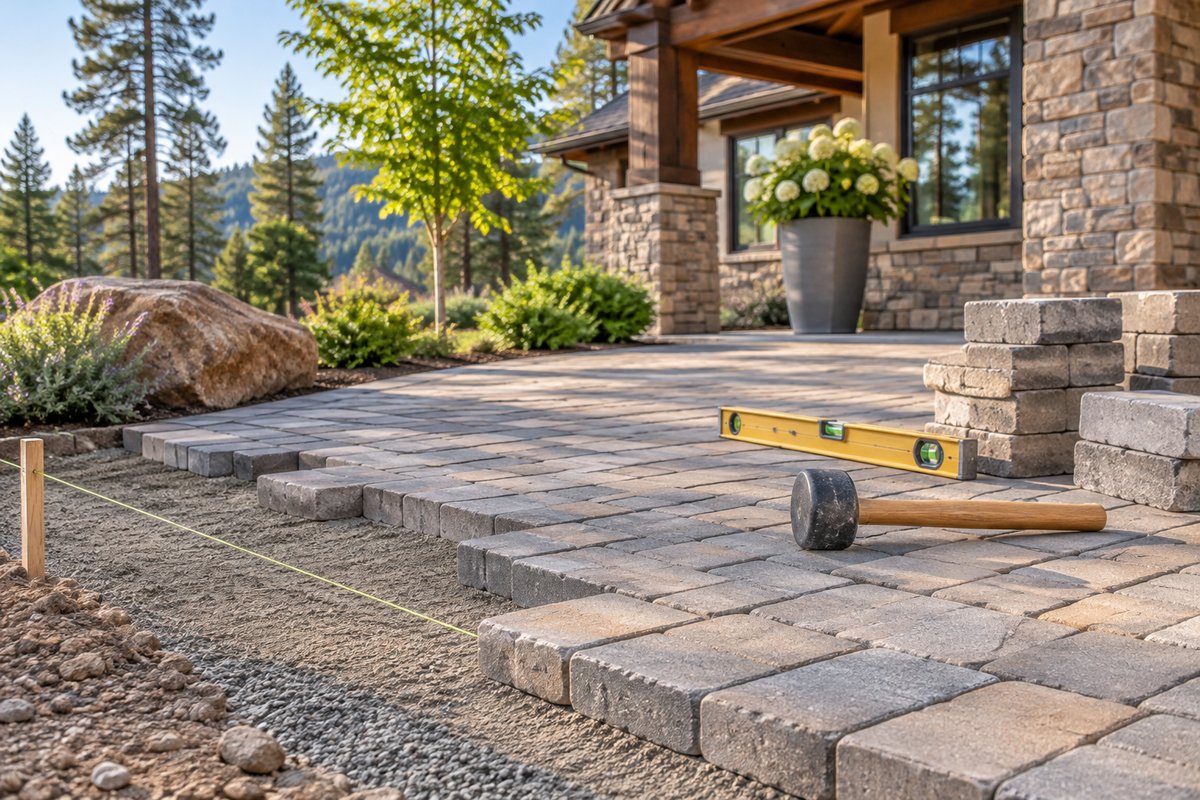
Planning Paver Patios & Driveways in Meadow Vista: A Homeowner’s Guide
Before starting a paver patio or driveway project in Meadow Vista, learn how to plan for local permits, soils, slopes, weather, and HOA rules. Make informed choices for results that last.
Practical Planning for Paver Patios & Driveways in Meadow Vista
Building a paver patio or driveway in Meadow Vista means working with the land, not against it. Local factors like well-draining granite soils, uneven slopes, and hot, dry summers all impact hardscape design and installation. Homeowners aiming for spaces that last—be it a paver walkway, a new patio, or a paver pool deck—make better choices when they’re informed about everything from permitting to soil conditions.
California Hardscapes, led by Marty who has over thirty years’ experience in concrete and construction, delivers projects handled by licensed, bonded, and insured contractors. Every job is planned and built from design through final walkthrough without cutting corners. The following guide walks Meadow Vista homeowners through practical planning essentials for lasting, premium-quality pavers and patios.
Permits, HOA Approval, and Rules in Meadow Vista
The first step in any paver installation is understanding which rules and approvals apply to your property. Meadow Vista includes a range of neighborhoods and parcels, many with their own HOA guidelines and Placer County requirements. Simple replacements might be straightforward, but new hardscape projects or those with retaining walls, steps, or drainage work commonly need a mix of permits and HOA reviews. Always verify with your HOA and local building office before breaking ground or submitting a contractor’s plan. Requirements can vary based on area, zone, and project type, and may change over time.
For guidance on local rules and climate context, consult the National Weather Service Meadow Vista forecast. This resource provides weather details that can affect timing, material selection, and seasonal requirements for hardscape work. Preparing early avoids delays or last-minute redesigns due to code or HOA stipulations.
California Hardscapes does projects in line with all required rules, but homeowners should organize their own permit applications, engineering signoffs, and HOA submittals when needed. Confirm in advance what documentation is required for your planned scope of work.
Essential First Step: Call Before You Dig
Even experienced homeowners can overlook one of the simplest but most important legal steps: calling 811 to have underground utilities marked before excavation begins. Whether it’s new paver steps, a patio expansion, or a paver driveway, you need to know what’s under the ground before any removal or grading starts.
Locating water, electrical, gas, sewer, and telecom lines helps prevent accidents, service disruptions, or code violations. Each project, from a simple paver driveway to a comprehensive paver patio redesign, should include making this call at the design phase—not after excavation is scheduled. Marking lines keeps your project moving and everyone on site safe.
If your property includes older outbuildings, wells, or private utilities, provide as much information as possible to the contractors and utility locator. Good records up front prevent headaches during installation.
Meadow Vista’s Soils: Granite, Clay, and Drainage Impacts
Meadow Vista’s geologic history gives homeowners both opportunities and unique site challenges. Many properties sit on well-draining decomposed granite, while others are dotted with dense pockets of clay. Each soil type affects preparation for projects like paver patios or paver pool decks. Granite drains well, making it ideal for patios, while clay-heavy sites may need extra care to prevent pooling and erosion.
Soil testing ensures base layers for pavers meet compaction and drainage standards. In particularly problem-prone spots, permeable pavers and gravel or decomposed granite patios can minimize runoff and let water infiltrate naturally. Discuss site-specific options with your contractor and plan for professional compaction and grading where needed.
Project requirements—especially for driveways, walls, or larger patios—may mandate different prep and engineering. Double-check with your HOA or city on grading rules and drainage solutions before confirming your hardscape design.
Slope, Retaining, and Drainage Considerations
Most Meadow Vista lots have at least some slope, which can make patio, driveway, or paver steps work more complex. Proper grading and drainage management are not just best practices—they are crucial for preventing erosion, undermining of paver bases, and long-term settling.
Retaining walls or tiered hardscape designs often make use of existing grades, rather than fighting the slope. Building up base layers and incorporating strategic drains can channel water safely, away from homes and structures. A properly designed slope reduces slip hazards in winter and preserves install integrity through seasonal shifts.
Long driveways or walkways, especially those that run across contours, may require subsurface drainage or engineered base construction. Always check whether larger scale grading or wall construction needs additional approval (see ‘Permits and HOA’ above), and use materials—like paver patios or flagstone and natural stone patios—well-suited to uneven terrain and heavy use.
Climate: Fierce Summer Heat and Winter Rain
Meadow Vista regularly sees summer highs surpass 100°F and winter periods of heavy rainfall. The local weather patterns, tracked at the National Weather Service Meadow Vista forecast, affect material selection, installation timing, and project planning.
Choose materials and finishes built to withstand large daily and seasonal temperature swings. Products like concrete paver patios, driveways, travertine pavers for pool decks, and regularly sealed surfaces all help manage expansion, contraction, and stain resistance. Porous options, such as decomposed granite patios and permeable pavers, are increasingly popular for eco-conscious, water-wise designs.
It is wise to factor in time for materials to cure and settle outside the hottest and wettest periods. This approach gives Meadow Vista projects the strongest, most reliable foundation for years of use and changing weather.
Project Timing: When to Build a Paver Patio or Driveway
Choosing the right time of year for a paver, stone, or gravel project matters as much as the design. In Meadow Vista, summer heat can speed up curing but challenge workers and materials alike. Winter rains may complicate excavation and subbase preparation, especially for larger patios or driveways.
Spring and fall are often preferred for major hardscape work thanks to moderate temperatures and predictable weather. Plan ahead: popular building seasons fill up quickly, and advance notice ensures more scheduling flexibility. It’s also easier to coordinate with any landscape planting, wall installation, or drainage upgrades.
Weather patterns can change year to year, so always check the local weather forecast before demolition or layout begins. Contractors will generally plan install timelines around optimal conditions for Meadow Vista’s soils and temperature swings.
Product Choices: What Works Best in Meadow Vista?
Homeowners have a wide menu of paver styles, natural stones, and surface treatments—each with its own advantages. For high-traffic areas like driveways or pathways, paver driveways and paver steps offer extreme durability and a clean finish. Households with pools or kids might prefer pool decking with travertine pavers for slip resistance and lower heat absorption.
Flagstone and natural stone, installed as stone patios, create rustic, timeless outdoor spaces. Permeable pavers help manage runoff on properties with drainage concerns or strict city requirements. An option like gravel and decomposed granite patios suits informal entertainment areas and can minimize maintenance over time.
Whatever you select, regular releveling and sealing of paver surfaces ensures your investment stays beautiful and protected for the long haul.
FAQ: Meadow Vista Pavers & Patios Planning
What permits or approvals might I need for a new patio or driveway?
Project scope, neighborhood, and local rules all impact what’s required. Homeowners should check with their HOA and Placer County offices for building permits, engineering submittals, or other paperwork, especially for larger projects or structural changes.
How do I know if my property’s slope needs special design or engineering?
If your lot features moderate to steep grades, or if water tends to pool or run toward structures, discuss slope management and drainage with your contractor. Some sites require retaining walls, terracing, or extra engineering for long-term stability.
What materials keep patios coolest in summer and safe in winter?
Natural stone and light-colored pavers, such as travertine, reflect more sunlight and stay cooler underfoot. Porous materials and textured finishes, paired with good drainage, make patios safer during wet weather and easier on bare feet in the heat.
More planning resources:
Planning a project in Meadow Vista, CA?
Call or text 916-741-0633, or email sales@californiahardscapes.com with your address, a short description and a few photos, and we will arrange a consultation.