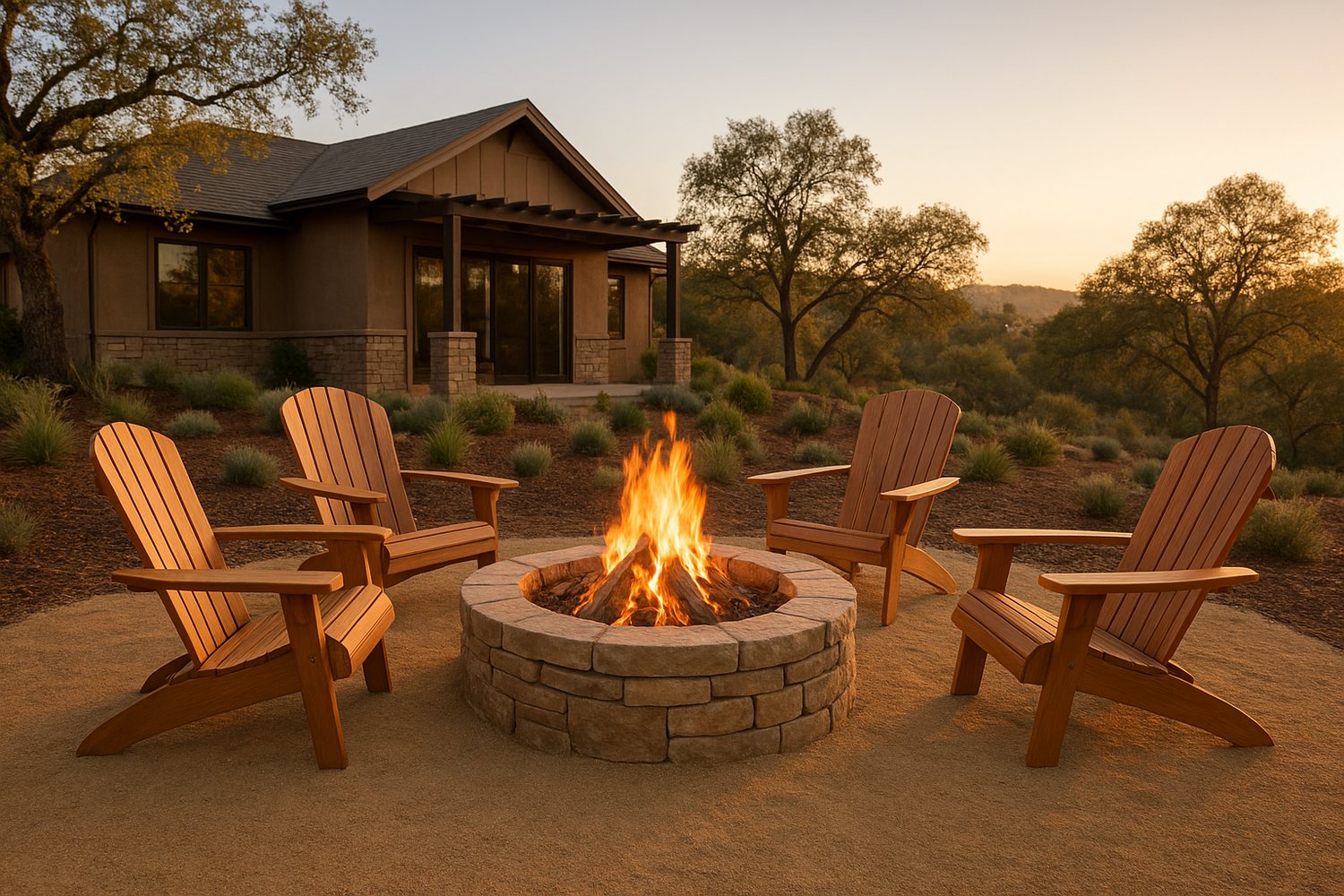
Planning Fire Pit Size and Placement for Comfortable Outdoor Living
Get clear answers on fire pit size, seating distances, and the best placement for homes in Rocklin, Roseville, Granite Bay, Folsom, Auburn, and nearby areas.
A fire pit can transform your backyard into a true destination. Planning the right size, seating distance, and placement is key for everyday comfort and safety.
Understanding Fire Pit Purposes
Before getting into dimensions and layout, clarify how you want to enjoy your fire pit. Some homeowners picture a social gathering spot for s’mores with the kids, while others want a quiet space for evening relaxation. Take time to consider your primary goals. Purposes often shape decisions about size and where the fire pit belongs.
Think about the number of people you typically host. Are you planning family nights, entertaining neighbors, or quiet nights alone? Factor in whether you’d like dining-height seating, deep lounge chairs, or simple benches around the fire. The way you use the space drives technical choices in every step that follows.
For many in the Rocklin, Roseville, and surrounding areas, seasonal weather is a factor. Pick a fire pit layout that makes it comfortable during cool spring and fall evenings but doesn’t feel like an afterthought in summer. A thoughtful approach here prevents regrets later on.
Clarify your main uses before going further.
For more specs and design inspiration, see ourFire pitsmain page.
Choosing the Right Fire Pit Size
The ideal fire pit size depends on space, seating needs, and visual impact. For an intimate setting, a fire pit with an internal diameter of 30 to 36 inches is often comfortable. For larger groups or families, consider 42 to 48 inches. Make sure to measure your patio or planned area: bigger isn’t always better if space feels crowded.
Beyond the actual fire diameter, consider the outer footprint if you’re using masonry or built-in material. Allow extra for stone, concrete, or paver borders—this can add 6 to 10 inches or more. This means a 36-inch fire area may need a total footprint of 48 inches for proper construction and visual balance.
A practical tip: mark out the area with string or spray chalk before digging or pouring anything. Step back and view it from all angles. Does it feel too dominant or too small? Use the result to refine your selection before committing to any materials.
Smart Seating Distances for Safety and Comfort
Comfortable and safe seating distances are crucial around any fire feature. As a rule, seat edges should be 18 to 24 inches from the fire pit rim. This lets guests enjoy warmth without risking singed clothing or discomfort from direct heat. For built-in benches, aim for a fixed 20- to 22-inch buffer.
Factor in enough space for foot traffic between seats—especially if you’ll walk behind chairs, or want to move furniture around for parties. A minimum clearance of 36 inches behind seats helps prevent crowding, whether using backless benches or deep lounge chairs.
Materials matter, too. Concrete, pavers, and stone retain heat, which affects how close seats should go. Be especially careful with wood or composite furniture. Adjust distances slightly further out if you’re using heavier, heat-retentive hardscape options.
- Leave at least 18–24 inches between fire edge and seating.
- Keep 36-inch walkways behind seating zones.
- Adjust for furniture type and material heat retention.
| Fire Pit Type | Typical Diameter | Best for Group Size | Seating Distance | Maintenance Needs |
|---|---|---|---|---|
| Small Round (Portable) | 30" | 2–4 | 18–22" | Low |
| Medium Built-In | 36–42" | 4–6 | 20–24" | Medium |
| Large Built-In | 48"+ | 6–10 | 24"+ | Medium |
| Linear (Rectangular) | 48–60" | 6–8 | 20–24" | Medium |
| Gas Fire Table | 36–48" | 4–8 | 15–20" | Low |
Optimizing Fire Pit Placement in Your Yard
Location impacts both enjoyment and longevity. Place your fire pit where conversation naturally flows—often near patios, outdoor kitchens, or pools. Survey sunlight and wind patterns, too. In Rocklin and the surrounding foothill neighborhoods, breezy afternoons can drive smoke toward seating if the pit isn’t sheltered.
Avoid placing the pit close to property lines, fences, buildings, or overhanging trees. Safe minimum setbacks are typically 10 feet or more from any structure, but always check locally. Integrating your fire pit into a larger hardscape means planning connections with walkways, lighting, and gathering spots.
Finally, think about views. Is there a preferred line of sight to foothill sunsets or a pool? Align the fire pit area so you maximize both function and aesthetics, ensuring the feature works with your lifestyle—not just your lot lines.
Comparing Fire Pit Types for Local Needs
There’s no universal best fire pit—materials and fuel type depend on your budget, expected use, and maintenance tolerance. In areas like Roseville and Granite Bay, both wood-burning and gas fire pits are popular, each offering unique pros and cons.
Wood-burning pits evoke classic backyard experiences and offer strong warmth, ideal for cool Auburn or Folsom nights. Gas fire pits, on the other hand, start cleanly, often have adjustable flame heights, and avoid the hassle of ashes—very practical for patio or poolside installs.
Safety is non-negotiable in fire-prone California. Concrete, pavers, and masonry are favored for both wood and gas setups, because they handle heat safely. Think through your desired ambiance and maintenance comfort to select what truly fits your lifestyle.
- Wood: traditional feel, great warmth, needs more cleaning.
- Gas: quick on/off, cleaner, ideal for patios and near pools.
- Masonry/concrete: safest, lowest maintenance structure option.
Explore more possibilities for your property at our completeOutdoor Livingoverview.
Integrating Fire Pits with Hardscape and Outdoor Living
Well-planned fire features fit into the total outdoor living plan, making patios, pool decks, and gardens feel cohesive. A fire pit can anchor a gathering area, but the best designs work within your property’s full flow. Hardscaped paths, retaining walls, lighting, and landscaping each contribute to how you use the space year-round.
Consider how your fire feature ties in visually with finishes and materials already on your property. Repeating elements from your pool deck, concrete patio, or existing garden beds creates a seamless, high-end result. A balanced, integrated approach always feels more inviting.
Also, factor in utilities if adding a gas line, electrical lighting, or irrigation. Early planning saves headaches and makes future changes (like extra seating or outdoor kitchens) much simpler. Collaboration with experienced local professionals matters at every stage.
Local Codes and Considerations
Every community in Placer, Sacramento, and El Dorado Counties may have specific codes regulating open flames and burning. Many neighborhoods, especially those in fire-prone foothills near Auburn or Granite Bay, enforce stricter rules or seasonal bans on wood fires.
Before starting any project, familiarize yourself with your city or county ordinances. Gas fire features often face fewer restrictions than wood-burning options, making them appealing for many suburban homes. Fire pit location must comply with rules on property setbacks, structure proximity, and ventilation.
Working with knowledgeable local contractors ensures your fire pit meets all requirements from the start. This avoids delays, fines, or costly rework—another reason expert input pays off in the long run.
Making the Right Decisions for Your Home
Ultimately, the best fire pit is one that fits your yard, your style, and your lifestyle. Take time to use marking tape, measure spacing, and test arrangements with family before any concrete is poured. Decisions around size, seating, and placement should always feel tailored to your routines—not forced.
Lean on straightforward, hands-on planning. Don’t hesitate to ask experts for advice on supporting structures, materials, and utilities. Experienced local guidance can make or break the long-term satisfaction you get from your investment.
Outdoor features like fire pits can last decades when thoughtfully planned. Investing a bit more time on decisions now means more comfort, safety, and connection for years to come.
Ready to get specific? Use our form torequest a detailed consultation.
Planning an outdoor living project?
Call or text 916-741-0633, or email sales@californiahardscapes.com with your address, a short description and a few photos, and we will arrange a consultation.