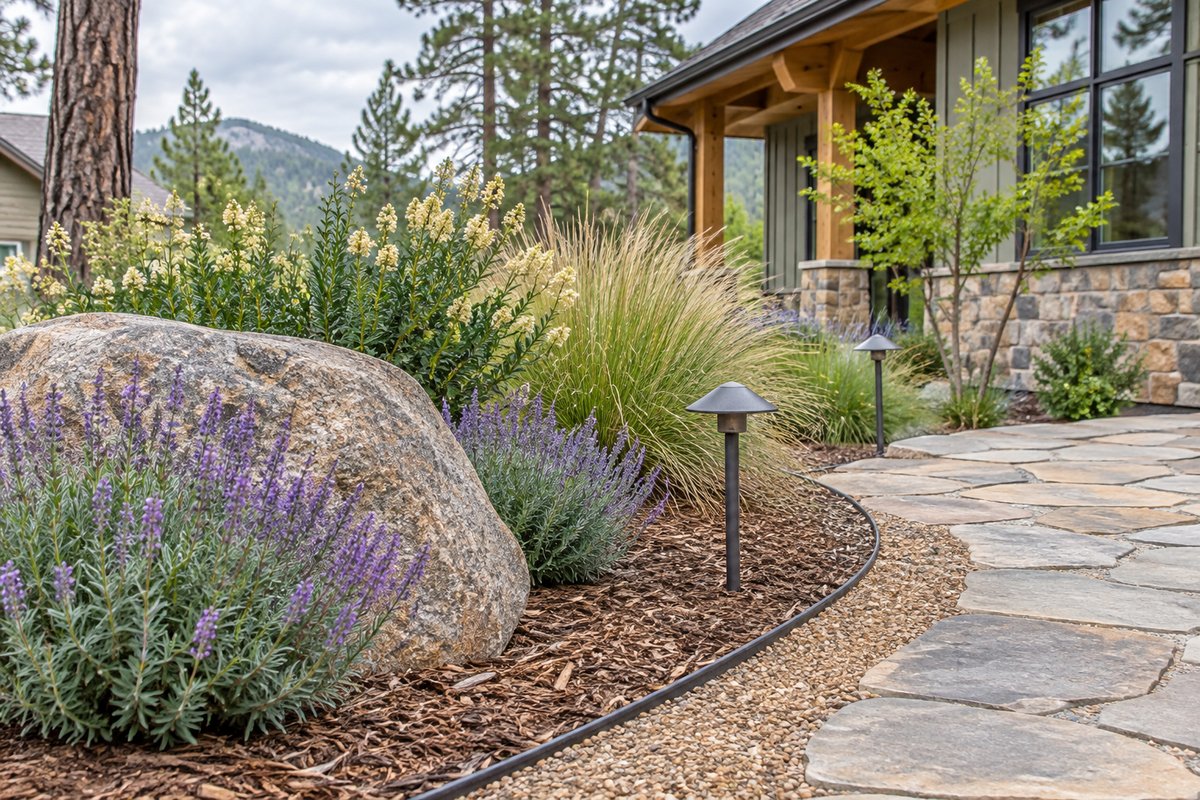
Landscaping in Sheridan, CA: A Practical Homeowner’s Guide
Planning a landscape in Sheridan, CA calls for more than just ideas. Here’s a hands-on guide for homeowners — from local permit guidelines to summer drought tips.
Getting Started: Sheridan, CA Landscaping Essentials
Landscaping a property in Sheridan, CA involves more than creative vision. Before opening a single bag of mulch, homeowners must work through local realities: property rules, utility safety, and the region’s climate extremes. Sheridan falls under the regulations of Colusa County when it comes to building permits for major projects—especially patios, retaining walls, and backyard structures that go beyond surface treatments. Even if a project seems minor, it’s wise to check official requirements with the Colusa County Building Permits office before starting any landscape construction.
Homeowner associations may also have specific requirements on materials, heights, tree placement, and plant choices, especially for visible front yard landscaping. Each HOA document is different, so gather the relevant documents early and allow time for any submission or review process. Permits and HOA approval are not afterthoughts in Sheridan—they shape timelines, allowed materials, and even plant choices.
Early planning helps clarify what’s possible and legal on your property. Take the time to mark property lines and flag any protected trees or utilities. For any project involving digging, safety comes first. Always contact 811—California’s call-before-you-dig service—which will coordinate with utility providers and physically mark underground gas, electric, and water lines before any trenching or deep planting occurs. With power supplied by PG&E, underground service lines are a reality for many Sheridan homes, making this step crucial.
Understanding Lot, Slope, and Soil Conditions in Sheridan
Sheridan terrain varies significantly: gently rolling lots, subtle drainage slopes, and patches of dense oak and pine. Soil makes a big difference in what’s possible. Much of the local soil is a blend of hardpan clay and decomposed granite. These conditions challenge traditional lawns but create opportunities for creative plantings and hardscape features. Native plants, dry creek beds, and boulder gardens take full advantage of Sheridan’s natural palette.
Drainage needs are a priority—water seeks the low spots during winter rains, potentially flooding planting beds or undermining patios. Thoughtful grading, landscape drains, swales, or a strategic dry creek bed can prevent many headaches down the line. Homeowners often underestimate runoff patterns until after heavy storms, so plan ahead, especially if you’re adding impervious hardscape surfaces.
Slope and orientation also affect water movement, erosion control, and even plant survival rates. For steeper grades, engineered walls or boulder and rock gardens can stabilize the soil and provide dramatic visual features. If you’re unsure, consult the resources at the permit office or partner with a reputable landscaping contractor familiar with Sheridan’s unique topography.
Weather Impacts: Planning for Summer Heat and Winter Rain
Sheridan’s weather patterns are textbook extremes. Summer days can spike over 100°F for weeks, while winter brings downpours and saturated soils. These cycles challenge not only plant survival but also the long-term durability of patios, paths, retaining walls, and lawns. Selecting locally adapted, drought-tolerant varieties and planning irrigation wisely is key. Check the current climate forecast and rainfall data via your local National Weather Service office to time key steps and select appropriate materials.
Hot weather isn’t just tough on plants; it speeds up evaporation, cracks new concrete, and challenges irrigation timers and components. Scheduling construction and plant installation during the temperate shoulder seasons—late winter to early spring or late fall—often yields better results. Be cautious about laying sod or planting tender shrubs in the heart of July or August unless irrigation is perfectly dialed-in and materials are rated for heat exposure.
Winter preparation is equally important. Paths, patios, and soils should shed water efficiently during storms. Trees and shrubs should be planted with winter winds in mind for proper anchoring. Using fire-wise landscaping techniques can help balance the water-wise needs of summer with the safety requirements of the dry season.
Permits and HOA: What Sheridan Homeowners Need to Know
Permits are a necessary step for many landscape construction projects in Sheridan, whether you’re adding a new retaining wall, installing a patio, or changing drainage patterns. Always check the latest requirements through the Colusa County Building Permits office. Requirements can vary by project type and scope: simple plantings may not require a permit, but structures, significant grading, utility modifications, and fences often do. Expect to provide basic site plans, materials lists, and in some cases, engineering calculations or HOA approval documents.
Homeowner associations often add another layer of review. Rules usually cover front yard landscaping, visible hardscape, fencing styles, and sometimes even plant species. Submitting plans and waiting for approval can take weeks, so build this into your project timeline. While California Hardscapes does not handle HOA or permit submittals, licensed, bonded, and insured contractors are familiar with constructing landscapes in full compliance—and HOA documents can guide material choices and plant options that fit the rulebook.
Don’t overlook utility marking. With many Sheridan properties served by PG&E, underground electric lines must be identified before digging. Plan for utility inspection timelines, which can sometimes overlap with other reviews or HOA check-ins, especially on busy construction weeks.
Designing for Sheridan: Drought, Drainage, and Style
The microclimate and water constraints in Sheridan make locally adapted, drought-tolerant choices a practical strategy. Investing in drought-tolerant landscaping not only saves water but also increases resilience to tough summers and reduces maintenance. Native trees and shrubs adapt better to local extremes and demand less irrigation over time, reducing both hassle and utility bills.
Front yard landscaping is often the first impression—functional, water-wise designs are increasingly the standard, balancing curb appeal with compliance. Explore ideas at front yard landscaping for inspiration tailored to California climates. In the backyard, homeowners can blend patios, dry riverbeds, shade trees, and boulder gardens for an inviting, natural retreat—find real examples and expert ideas at backyard landscaping.
Smart planning integrates these elements into a cohesive, stylish environment that supports drainage, lowers maintenance, and weathers local storms. Whether adding a classic dry creek or a modern xeriscape, the right design keeps your landscape looking beautiful season after season.
Irrigation and Water Management in Sheridan Landscapes
Few places challenge irrigation design like Sheridan, where hot summer weeks can quickly dry out beds and lawns. The right irrigation system should be both efficient and adaptable: consider drip lines or underground systems that meet plant group needs. Groupings of drought-tolerant species benefit from deep, infrequent watering and mulching, while lawns and seasonal veggies may need more frequent attention in July and August.
As water costs rise and drought restrictions cycle in and out, designs that reduce water dependence grow in value. Rain sensors and weather-based controllers give extra flexibility—set them to match forecast data from the National Weather Service for the right balance of savings and plant health. Always inspect irrigation lines before big seasonal changes, and repair leaks or malfunctions quickly to avoid wasted water and soggy spots.
Special consideration is needed for areas with clay or granite soils. Overwatering in clay can cause root rot and puddling; meanwhile, granite-based soil drains rapidly and leaves shallow-rooted plants thirsty. Adapt irrigation schedules and consider amending planting beds as needed—local expertise can prevent headaches and wasted water from the start.
Choosing Features: Patios, Boulder Gardens, and Fire-Wise Solutions
Hardscape features provide both function and style in Sheridan, but materials must withstand summer heat, winter rain, and high-use locations. Concrete patios, paver paths, and stonework must be expertly designed for proper drainage and movement. Reviewing options with a contractor experienced in landscaping ensures long-term durability and complements the natural contours of local lots.
Integrating boulders and rock gardens not only bolsters curb appeal but provides erosion control and fire-wise benefits—see more at boulder and rock gardens. Using rock and gravel strategically makes the most of Sheridan’s natural palette and eases maintenance, especially on slopes and under mature trees. For added protection through dry, windy summers, fire-resistant plant arrangements can help create defensible space and reduce wildfire risk; explore these strategies with fire-wise landscaping.
Don’t forget the role of shade. Planting native trees not only cools patios but cuts energy costs and enhances the usability of outdoor space during heatwaves. Patios paired with properly placed shade trees provide a comfortable and resilient extension of your living space.
Smart Timing: When to Start Landscaping Projects in Sheridan
The cycles of the local climate and the rhythm of permitting and HOA review make timing everything in Sheridan. Winter rains can delay ground work, but also ease root establishment for trees and perennials. Early spring allows plants to settle in before summer heat, while fall plantings thrive in cooler temps and less irrigation demand.
Permitting windows and HOA reviews can stretch timelines, especially if plans need resubmittal or engineering adjustments. Buffer your schedule to account for reviews—never promise approvals or quick turnarounds. Busy seasons for contractors can also extend lead times, so connect with reputable, licensed, bonded, and insured professionals early in your planning process.
Utility marking by 811 sometimes requires several days’ notice, especially if your site has complex services. Synchronize digging and installation around utility clearance, county review, and forecasted weather windows for smoothest results.
- Building permit questions: Colusa County Building Permits office
- Utilities and underground lines: PG&E service area
- Forecasts, rainfall, and weather safety: National Weather Service
FAQ: Sheridan, CA Landscaping Planning
Do I need a permit for landscape work at my Sheridan home?
It depends. Simple plantings usually do not, but structures, significant grading, patios, retaining walls, and drainage changes often require a permit. Check with the Colusa County Building Permits office before starting, and review any HOA guidelines for additional requirements.
How do I make my yard water-efficient and drought-ready?
Choose climate-appropriate, drought-tolerant species, use efficient irrigation systems, mulch planting beds, and group plants by water need. See drought-tolerant landscaping for more strategies. Efficient design and seasonal maintenance make it simpler to meet local conservation goals.
When is the best time to start a project in Sheridan?
Late fall through early spring usually offers the best balance of weather and plant survival. Schedule permitting, HOA review, and 811 utility marking early. Avoid peak summer for new plantings unless the irrigation plan is robust and materials are rated for local heat and drought.
Ready to plan your new landscape? Request a consultation with California Hardscapes for quality design, construction, and expert insights. Built with pride. Finished with excellence.
Planning a project in Sheridan, CA?
Call or text 916-741-0633, or email sales@californiahardscapes.com with your address, a short description and a few photos, and we will arrange a consultation.