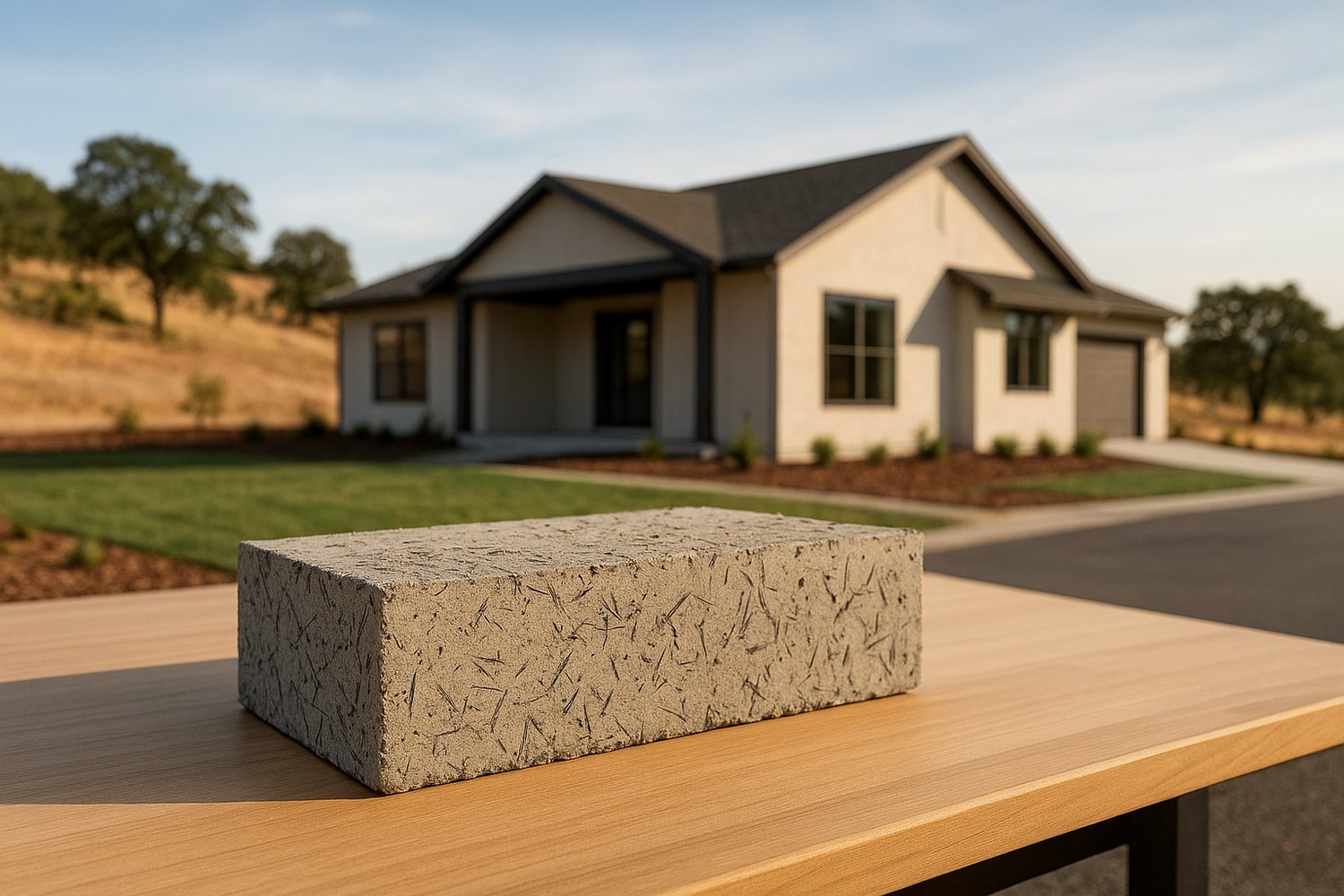
Ready-Mix Concrete Basics: Planning Summer Pours in Placer & Sacramento
Pouring ready-mix concrete during summer in the Rocklin and Sacramento areas takes specific planning. Here’s what homeowners need to know for lasting results.
Hot weather changes how concrete sets, so smart planning is a must for summer pours. Here’s a practical guide for homeowners in the area.
Ready-Mix Concrete Materials at a Glance
The foundation of any outdoor project using concrete is understanding its materials. Ready-mix concrete is a blend of cement, aggregates (like sand and gravel), and water—mixed in precise proportions for strength and finish. Additives and admixtures may be included to control setting time and improve performance, especially during temperature extremes.
California Hardscapes works with trusted suppliers to ensure consistent material quality that stands up to local weather and use. This is vital, as poor materials can compromise strength and cause surface defects down the road. Your concrete’s durability starts with what’s in the mix.
A well-mixed load arrives ready to pour, taking the guesswork out of batching on site. Local knowledge also means selecting admixtures that help manage the faster set times and water evaporation unique to a California summer.
- Cement binds all ingredients together
- Aggregates add volume and strength
- Admixtures adjust setting and durability
Want more background on the process? Visit theReady-mix concrete basicspage.
Summer Heat: What Homeowners Should Know
Summer temperatures in Rocklin, Roseville, Folsom, and nearby areas bring special considerations for concrete work. When temperatures climb above 85°F, concrete can set too quickly, making finishing a tight race against the clock. This impacts appearance and long-term performance.
Excessive evaporation means you may see cracks, reduced strength, and uneven surfaces if proper steps aren’t taken. That’s why planning pours around early mornings or evenings becomes critical during peak summer.
Understanding the risks lets you work with your contractor to set optimal schedules and strategies. California Hardscapes brings decades of field experience to navigate these summer challenges safely and effectively.
- Heat speeds up concrete setting
- Uncontrolled evaporation reduces strength
- Scheduling is key during peak summer
Mix Design: Getting Concrete Right for the Weather
The proportions of cement, water, and aggregates in your ready-mix concrete influence how it behaves in heat. Local suppliers use mix designs tailored for the Sacramento Valley’s summer climate, including controlled water content and specialty additives.
Retarding admixtures are commonly added in summer mixes to slow the set time, giving more workability and making surface finishing manageable. Proper mix design is crucial to resisting heat-induced shrinking and cracking.
Requesting the right mix design for your project should not be an afterthought. Partnering with a material supplier and contractor experienced with local conditions ensures your project isn’t one-size-fits-all, but designed to handle the heat.
- Retarders slow curing for better workability
- Lower water-cement ratios reduce cracking
- Local suppliers adapt mixes to our summer climate
| Mix Feature | Summer-Optimized Ready-Mix | Standard Ready-Mix | Risks from Skipping |
|---|---|---|---|
| Set Time | Slowed with retarders | Regular | Too quick, hard to finish |
| Water-Cement Ratio | Lowered for less shrinkage | Standard | Cracking, weakened surface |
| Evaporation Control | Enhanced with admixtures | Basic | Surface dust, loss of strength |
| Finish Window | Extended for workability | Short | Poor texture, marks |
| Curing Aids | Curing blankets or sprays used | Minimal | Premature curing, surface failure |
Practical Tips for Pouring Concrete in Hot Weather
Pouring when it’s warm out? Control and timing are critical. Smart prep includes cooling tools with water, pre-wetting forms and subgrades, and scheduling trucks for earliest possible delivery windows to avoid the hottest part of the day.
Work efficiently but steadily after the pour begins, prioritizing placement and finishing to avoid setting too fast. Shade, wind breaks, and misting sprayers help regulate evaporation and surface temperature.
Finally, protect freshly placed slabs from direct sun with coverings or curing compounds. Talk with your concrete provider about summer-specific mixes and temperature control strategies—they make all the difference in our region.
- Begin pours at sunrise when possible
- Keep all tools and surfaces cool
- Use curing blankets or sprays to retain moisture
How Ambient Temperature Affects Concrete Strength
Hot weather doesn’t just speed up concrete’s set—it changes how strong and durable the final product can be. If it cures too quickly, there may not be enough time for proper hydration, which is essential for strength gains.
In regions around Granite Bay and Auburn, daily highs can challenge even expertly mixed concrete. Contractors monitor not just air temperature, but also humidity, wind, and direct sun exposure to protect the setting process.
Inconsistent or uncontrolled curing can mean weaker surfaces, more frequent repairs, and frustration down the line. That’s why pros plan, test, and use the latest techniques for heat management—protecting your investment from the ground up.
See the full range of outdoorMaterialsand options we offer.
Curing Methods that Work in Summer
Curing is the period when concrete gains most of its strength and durability. In summer, water evaporates faster, so special care is needed. Covering slabs with cure blankets, plastic sheets, or applying chemical curing compounds keeps moisture in during the crucial first 48 hours.
Regular misting or gentle sprinkling also helps. For patios or driveways, even simply shading the surface with tarps makes a tangible difference. California Hardscapes stresses never to skip or rush this step: good curing means fewer cracks and longer-lasting beauty.
With proper curing, your concrete can achieve intended hardness, resist surface dusting, and reduce the risk of early-age failure. It’s an extra investment of time, but well worth it given how local heat can cut the curing process short.
- Keep concrete surfaces damp during curing
- Use shades or blankets to shield from sun
- Chemical compounds provide a sealed cure
How Local Experience Makes a Real Difference
Not all contractors approach hot weather concreting the same way. Years in the field—like those behind California Hardscapes—give insight into how Placer, Sacramento and El Dorado County climates can shift the best-laid plans. Material choices, timing, and finishing details are all tailored accordingly.
Field experience means catching potential problems before they start. Recognizing wind patterns, soil conditions, and heatwave forecasts allows teams to adapt without sacrificing quality or safety.
Homeowners benefit from this local knowledge: your project will reflect lessons learned from decades of concrete work in our exact microclimates. It’s experience you can count on, built into every solid slab.
Planning Your Project: Questions to Ask and Steps to Take
Thinking about a summer concrete project? Ask early about the mix design, curing plan, and how crews handle hot weather. Will the pour be scheduled in the morning? Are temperature controls available on site? Every detail counts in the heat.
Clarify what’s included in the bid or contract: protection for fresh concrete, use of admixtures, and finish work specifics. Trust contractors who are transparent and use proven summer techniques.
In the end, good planning, communication, and proven experience lead to concrete that looks great and stands up to our region’s demanding summers. Don’t hesitate to call or text for advice, or request a visit to discuss your ideas and scheduling.
- Ask about admixtures for hot weather
- Check curing plans before starting
- Prioritize early scheduling
Ready to get started?Request a consultationfrom California Hardscapes.
Planning a materials project?
Call or text 916-741-0633, or email sales@californiahardscapes.com with your address, a short description and a few photos, and we will arrange a consultation.