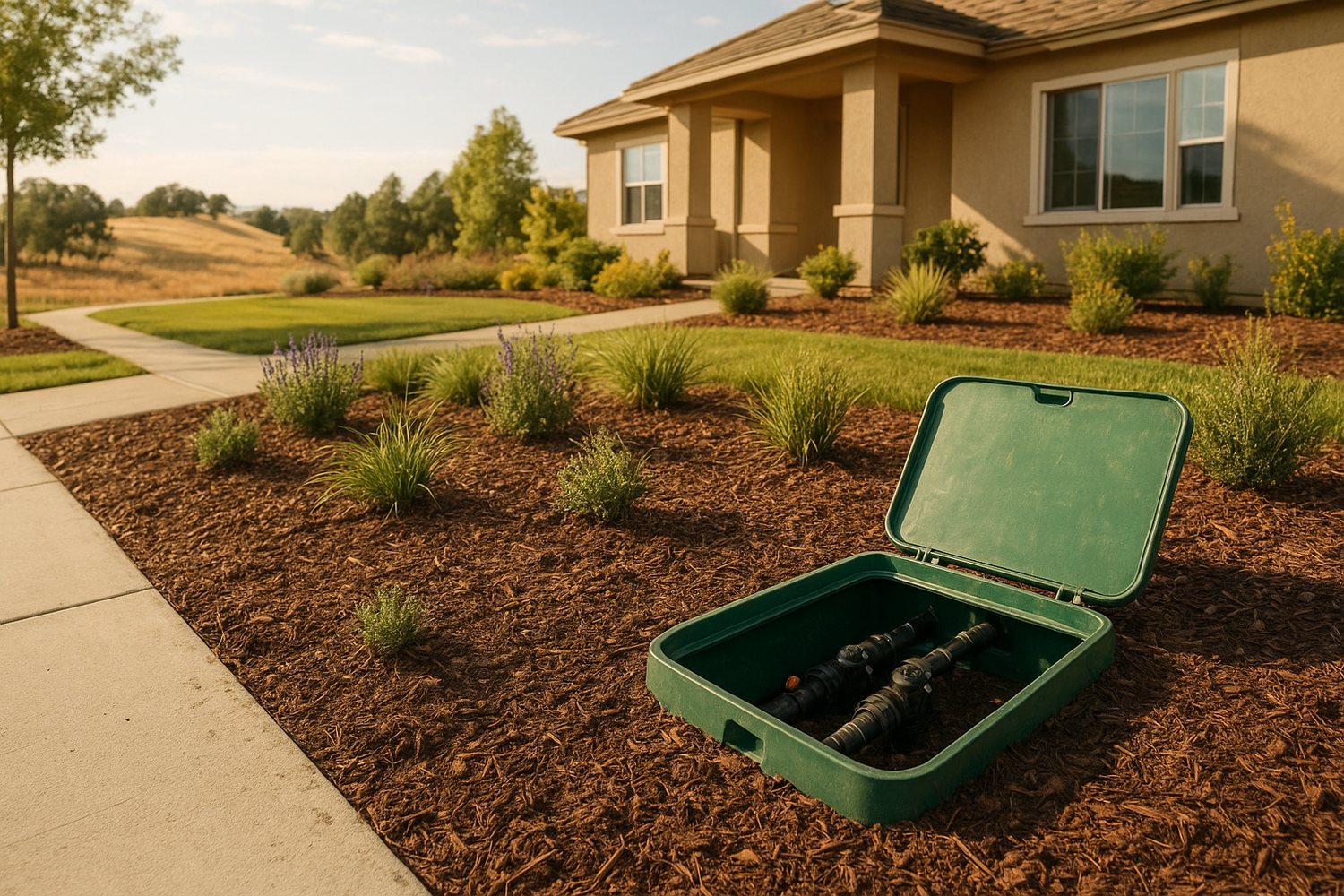
Drip vs Spray Irrigation: Choosing the Best for Local Planting Beds
Curious about what irrigation system suits your planting beds? Compare drip and spray irrigation options with practical advice for our regional climate.
Whether you’re restoring existing planting beds or designing new landscaping, the right irrigation system matters. Homeowners in Rocklin, Roseville, Granite Bay, and neighboring areas should know how regional climate affects drip and spray choices.
Why Irrigation Strategy Matters in Our Region
Proper irrigation is essential in the Rocklin, Roseville, Granite Bay, and surrounding Sacramento region, where hot summers and seasonal droughts challenge healthy landscapes. Watering methods must adapt to clay-heavy soils and fluctuating water regulations. Picking the wrong system can mean stressed plants, wasted water, and higher costs to fix problems later.
Planting beds, in particular, need targeted solutions: not every irrigation style works for mixed shrubs, perennials, or groundcovers in beds. Some plants require steady moisture right at the roots, while others prefer less frequent but deeper watering. Homeowners benefit from understanding these needs before installing a system.
Regulations and environmental responsibility also play a growing role, especially with the push for water conservation in this part of California. The irrigation methods you select should not only meet current codes, but also help you steward valuable water resources for years to come.
Learn more about ourIrrigation systemsand get expert installation tips.
What Is Drip Irrigation—And Where Does It Shine?
Drip irrigation delivers water slowly and directly to plant roots, usually via tubing with built-in emitters. This system is highly efficient for typical bed soil conditions and helps prevent surface runoff—a frequent issue in the sloped and clay soils around Folsom, Auburn, and Placer County.
Because drip lines sit under mulch, less water evaporates in the sun. Especially for densely planted beds, this means healthier roots and fewer weeds. Drip also reduces fungal leaf diseases by keeping foliage dry—key when nights cool off sharply here.
However, drip irrigation works best when beds use uniform plant spacings and require similar water levels. The system is less flexible for very large, mixed plantings where some areas need more water than others. It also performs best with regular monitoring for clogs and leaks.
- Highly water-efficient for beds
- Reduces weed and fungal issues
- Pairs well with mulch cover
Spray Irrigation: Versatility Meets Familiarity
Spray irrigation uses pop-up heads or nozzles to distribute water in a fan or mist over a set area. Many established homes in the Sacramento area have existing spray systems, especially where lawns and open or mixed plantings are common.
Spray systems are easy to spot and adjust on the fly, making them popular for renovation projects or when irrigating beds on tricky slopes. Newer nozzle technology can target coverage, reduce drift in breezy conditions, and help minimize overspray onto hardscapes and sidewalks.
However, the broad pattern of sprays can lose water to evaporation—especially during warm summer afternoons. Surface watering can also encourage weeds and makes it easier for runoff to move fertilizer and mulch, particularly on the region’s typical compacted or uneven soils.
- Good for covering irregular, mixed plantings
- Easy to adjust and see operation
- Potentially higher water use in heat
| Feature | Drip Irrigation | Spray Irrigation |
|---|---|---|
| Water Efficiency | Excellent | Moderate to Good |
| Best For | Dense beds, drought-tolerant | Mixed plantings, annuals |
| Evaporation Loss | Low (under mulch) | Higher (surface exposure) |
| Maintenance | Regular clog checks | Head/nozzle adjustments |
| Initial Flexibility | Less (needs planning) | More (easy adjustments) |
Drip vs Spray: A Practical Comparison
Choosing between drip and spray ultimately comes down to the specifics of your planting beds and how you plan to use them. Beds packed with shrubs, groundcovers, or drought-tolerant plantings often see the most benefit from a well-installed drip system. Drip maximizes efficiency and helps maintain soil moisture—especially beneficial under mulch.
On the other hand, if you have beds with a lot of seasonal changes, large annual displays, or spots that need broad coverage, spray irrigation can be easier to retrofit and manage. Spray’s visibility makes troubleshooting simple, but does require more diligence to keep from wasting water.
Both systems require regular maintenance and smart scheduling. Matching heads, pressure, and output to the soils in Placer, Sacramento, and El Dorado Counties prevents common pitfalls like runoff, dry spots, or root rot.
Comparison Table: Drip vs Spray for Local Beds
This table compares the most important aspects of each system as they apply to planting beds in local conditions. Use it as a quick reference before deciding which option fits your yard’s needs best.
Remember, choosing the right system is rarely one-size-fits-all—sometimes a combination, or a zone-by-zone solution, delivers optimal performance for complex landscapes.
Don’t hesitate to consult with a knowledgeable contractor to dial in your irrigation and set up efficient watering from the start.
Explore our comprehensiveLandscaping optionsfor the ideal outdoor space.
Installation Tips: Making the Most of Your Choice
For drip irrigation, start with high-quality tubing and pressure regulators. Even application depends on careful design—space emitters to match plant placement and consider dedicated zones for high-water and low-water plants. Check connections regularly, since debris can cause clogs in local clay soils.
With spray systems, use matched precipitation rate heads to prevent pooling or runoff in sloped beds. Install heads far enough from walkways and patios to reduce overspray onto hardscapes. Adjust schedules seasonally, irrigating early in the morning to cut evaporation loss on hot days.
In both systems, always bury lines below mulch or use UV-resistant tubing. Consider a smart controller that can help you adapt watering automatically to regional weather patterns—including the increasingly hot, dry summers in Rocklin and nearby towns.
- Test output regularly for even coverage
- Zone separately for different plant needs
- Flush and clean filters every few months
Maintenance Matters: Keeping Your System Efficient
Both drip and spray irrigation systems benefit from seasonal tune-ups tailored to the regional climate. In spring, inspect for winter damage, leaks, and clogged emitters. Drip systems, especially, should be flushed and checked for broken tubing after rodent or foot traffic.
For spray systems, make sure heads are clear of grass or mulch, replace worn or mismatched nozzles, and reset patterns that may have shifted. Uneven spray can waste water and leave dry spots—problems common on older systems in the area.
Whether you DIY or use a pro, budget for routine checks every 3–6 months. Efficient systems keep your beds thriving and help meet water use standards enforced locally during dry summers.
- Check after every season change
- Monitor for visible leaks or overspray
- Reset controller for summer vs. winter water needs
Deciding What’s Best for Your Beds
Ultimately, your choice comes down to your bed layout, plant mix, maintenance preferences, and local water guidelines. Drip excels for dense, water-wise, or mulch-covered beds. Spray makes sense for high-visibility annual displays or hard-to-reach spots.
It’s common for homeowners in Rocklin, Roseville, Folsom, and other communities to use both systems on different parts of the landscape. With the region’s extremes—clay soils, warm summers, and evolving water policies—custom solutions often produce the best, most reliable results.
If you’re ready to design or upgrade an irrigation system, partner with experts who understand how Placer, Sacramento, and El Dorado County conditions affect real-world performance. The right system keeps your landscape looking sharp, season after season.
Ready to get tailored advice?Request a consultationwith the California Hardscapes team.
Planning a landscaping project?
Call or text 916-741-0633, or email sales@californiahardscapes.com with your address, a short description and a few photos, and we will arrange a consultation.