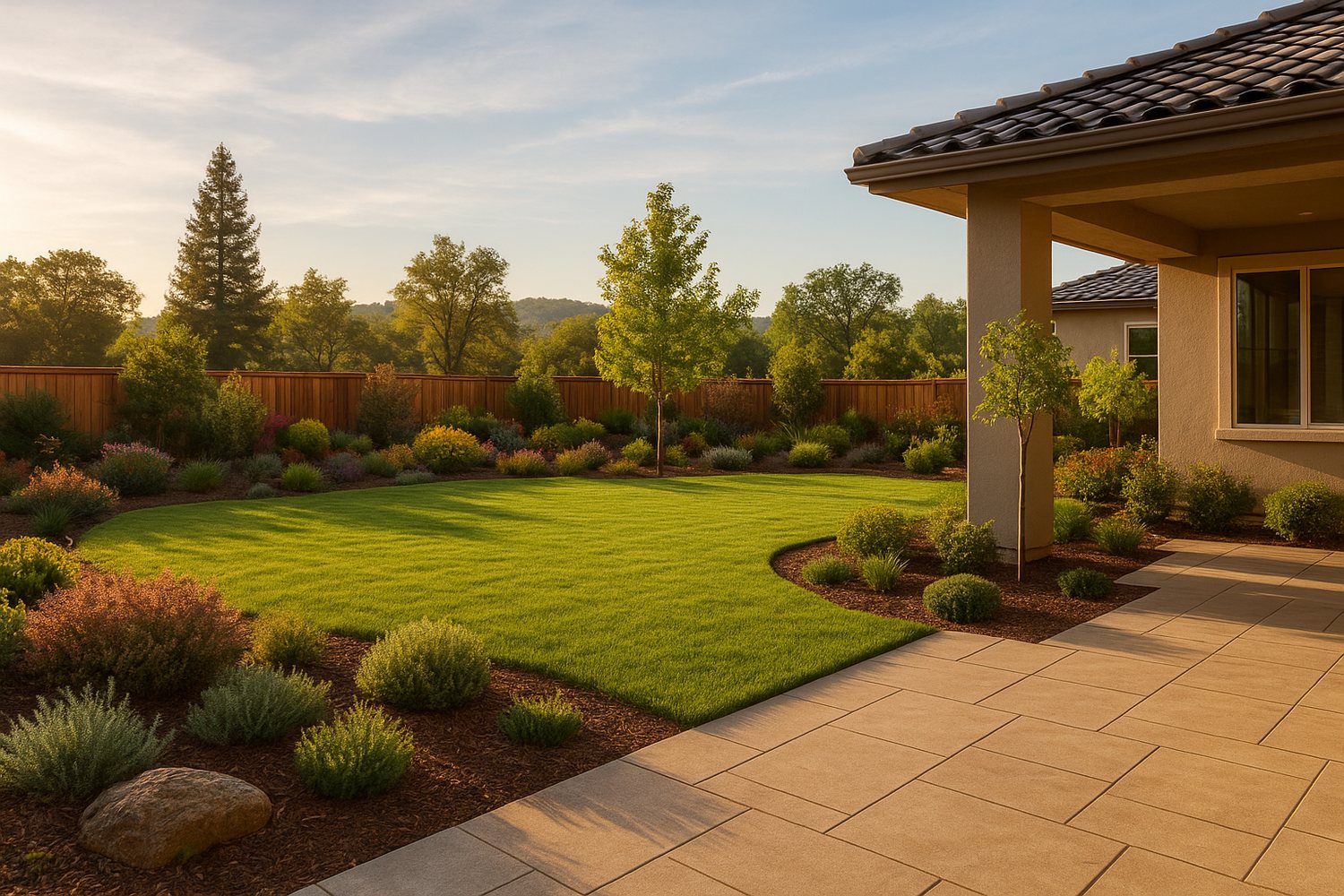
Understanding Sun, Shade, and Soil in Landscape Design
Before choosing plants for your yard, learn how to read the sun, shade, and soil conditions specific to your landscape. These vital steps shape lasting outdoor results.
Many homeowners start landscaping with plant selection, but reading your site’s sun, shade, and soil is where the best designs begin. Let’s walk through these fundamentals for our region.
Why Sun, Shade, and Soil Matter First
Plants thrive when matched to the right microclimate and soil type. That means understanding more than just how things look on a sunny day. Evaluate your yard’s exposure to sun, shade patterns through the year, and what’s happening below ground. A thriving landscape in Rocklin or Folsom depends on these foundational reads.
Our region features hot, dry summers, cool rainy winters, and variable soils—from heavy clay to sandy loam. This means what flourishes at your neighbor’s may not work for your own backyard if conditions are mismatched. Taking the time up front to observe your unique microclimates avoids stress, water waste, or costly replacements later.
Create a layout that blends form and function by letting sunlight, shade, and soil steer your plant and hardscape choices. This approach supports long-term growth, lower maintenance, and a more resilient landscape throughout the extremes of California’s seasons.
For more landscape design tips and regional advice, visit ourLandscape design and planningpage.
How to Map Sun and Shade in Your Yard
Start by watching your space over an entire day, noting which areas receive direct sun, dappled shade, or full shade—and when these change. Sun can shift dramatically with the time of year, tree growth, and nearby structures. Even a well-fenced yard can have unexpected shade patterns.
Mark out full sun spots (at least 6 hours of direct sunlight), partial sun and shade areas (3-6 hours), and full shade zones (less than 3 hours of direct sun). Use a simple sketch or a smartphone photo annotated with times and observations. This does not just determine what you plant, but where seating, patios, or garden beds make sense.
Repeat this mapping in summer and again in winter, when the sun’s arc changes. This is especially vital in Placer, Sacramento, and El Dorado communities, where sun angles fluctuate. Use your map to plan for year-round enjoyment and informed plant choices.
Bullets:
What to Know About Soil Before You Plant
Dig a few small holes around your yard and scoop up the soil. Is it hard-packed clay, loose sand, or somewhere in between? Most Rocklin, Roseville, and Granite Bay homes sit on notoriously compacted clay, which impacts water drainage and root growth.
Test drainage by filling each hole with water and timing how long it takes to drain. Fast runoff can mean sandy soil, while water pooling for hours indicates clay. Amendments such as compost or gypsum can help—but the original soil condition dictates your plant shortlist and where intensive work is needed.
Understanding your soil’s pH and nutrition is also wise, especially if you hope to grow edibles or certain flowering plants. Simple test kits are available at garden centers, or reach out to regional extension offices for more detailed analysis.
| Microclimate | Common Soil | Best Plant Types | Key Considerations |
|---|---|---|---|
| Full Sun | Sandy loam | Lavender, Salvia, Yarrow | Requires little supplemental water |
| Partial Shade | Clay | Deer Grass, Fuchsia, Camellia | May need improved drainage |
| Full Shade | Rich humus | Ferns, Japanese Maple, Hosta | Monitor for poor drainage |
| Sunny Slope | Rocky/Sandy | Ceanothus, Manzanita | Needs erosion control |
| Low Area | Heavy Clay | Sedges, Rushes, Dogwood | Select moisture-tolerant varieties |
Matching the Right Plants to Your Conditions
Once you know your sun, shade, and soil story, select plants proven to tolerate those exact conditions. Opt for drought-tolerant, California natives or Mediterranean species where possible—these are adapted for our heat, winter wet, and occasional frost.
In sunny, well-drained spots, lavender, salvia, and manzanita thrive. For part-shade or clay pockets, try deer grass, California fuchsia, or Japanese maple. Don’t fight your conditions; letting the site dictate the plant palette makes for less work and better long-term results.
Use both online plant search tools and local nursery advice for species that do well in Rocklin, Granite Bay, Folsom and surrounding areas. A well-matched selection looks good, grows better, and saves both water and effort over time.
Bullets:
Beyond Plants: Sun and Soil in Hardscape Planning
Sun and shade readings don’t just affect your plant list—these also guide where you’ll get the best use from patios, pathways, and outdoor living features. Nobody wants to eat dinner in the blazing sun or discover plant beds baked dry by heat radiating off a south-facing wall.
Think about where you’d prefer morning sun versus afternoon shade. Use trees or shade structures to create cool summer retreats or buffer outdoor kitchens from afternoon glare. Consider hardscape materials—asphalt, concrete, stone—since these hold and reflect heat differently, which can impact both comfort and the plants around them.
Good hardscape design for our region protects your investment by marrying functional comfort with the realities of your yard’s conditions.
See all your choices with our comprehensiveLandscaping optionsoverview.
Practical Observations for Placer and Sacramento Counties
In areas like Granite Bay, Folsom, and Auburn, microclimates and soil conditions can shift even within the same neighborhood. Native oak woodlands create deep shade and rich organic soils along creeks, while newer developments may be more exposed and compacted.
Low spots may stay soggy well into spring, affecting what will survive. Top of slope areas, especially in Auburn or El Dorado foothills, dry out quickly and require sturdy, drought-resistant plants. Take several samples across your property for a more complete picture.
Checking in with neighbors or local garden experts can offer hints about what truly works—or fails—in your specific microclimate. Yard-specific observation is still the most reliable method.
Common Pitfalls and How to Avoid Them
Choosing plants for their looks without checking site compatibility is the top mistake we see. Mediterranean and California natives excel here for a reason, while favorites from other areas often struggle or need heavy input.
Another pitfall is guessing sun versus shade, especially when tree canopies or new structures are in play. Don’t rely on labels alone—inspect your yard each season, noting changes or shifts in sunlight and moisture.
Finally, don’t skip soil prep. Healthy soil with good drainage is the backbone of a lush landscape. Amending clay ahead of planting and grouping species by needs helps your yard stand up to summer heat and winter rains.
Bullets:
Next Steps: Plan With Confidence
Reading your property’s light and soil conditions empowers smart decisions and long-term success. Tackle your outdoor project with confidence by putting this foundational planning first—before plants, patios, or decorative features go in.
If you need help interpreting your site or creating a workable design, consult with professionals who know local conditions and can translate those into practical solutions. The result is a landscape suited to both California’s extremes and your personal style.
Assess your sun, shade, and soil through all seasons, and you’ll set yourself up for outdoor spaces that flourish year after year.
Ready to create an outdoor space that fits your sun, shade, and soil?Request a consultationtoday.
Planning a landscaping project?
Call or text 916-741-0633, or email sales@californiahardscapes.com with your address, a short description and a few photos, and we will arrange a consultation.