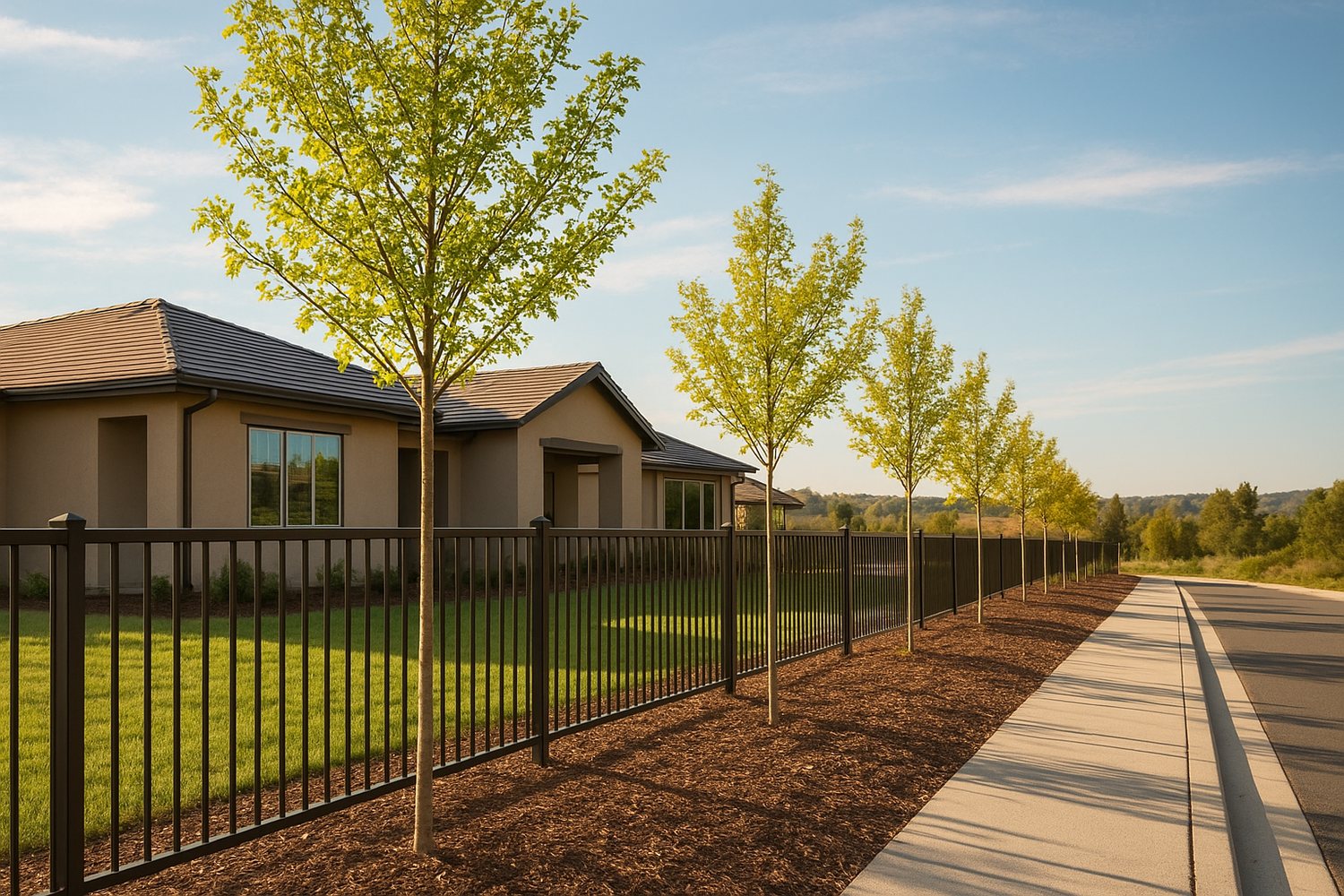
Choosing the Right Shade Trees for Summer Relief
Discover practical ways to select and position shade trees for cooling your outdoor living space in Rocklin, Roseville, Granite Bay, Folsom, Auburn, and nearby communities.
Summers in our region can be relentless, but the right shade trees offer lasting relief for both homeowners and their landscapes. Smart planning is key to success.
Why Shade Matters in the Sierra Foothills
Summer heat in Rocklin, Roseville, Granite Bay, Folsom, and Auburn isn’t just uncomfortable—it can take a toll on your home’s energy bills and the longevity of your landscape. Shade trees are one of the most effective, natural ways to keep your outdoor living space cooler and more comfortable all season long.
Thoughtful shade planting does more than just block sunlight. The right trees reduce localized temperatures, buffer winds, and can even help preserve hardscape features like patios and concrete. These practical benefits are especially noticeable on the west and south sides of your home, where afternoon sun is most intense.
Planning ahead is crucial: poorly chosen or poorly placed trees can create maintenance headaches or even cause future damage to structures. With the right approach, your investment in shade trees will pay off for decades.
- Reduces cooling costs
- Protects surfaces from sun damage
- Creates comfortable outdoor spaces
For an in-depth look at available options and how to begin, visit ourTrees and shade plantingpage.
Key Factors in Choosing Shade Trees
Not all trees thrive—or even survive—in our summer conditions. Start with species native or specially adapted to hot, dry summers and occasional winter chills. Look for trees proven to handle the local soils, water limitations, and wind exposure of Placer, Sacramento, and El Dorado counties.
Next, consider mature size and root behavior. Large, fast-growing trees provide great shade quickly but may require more frequent pruning and upkeep. Always account for root spread and proximity to patios, pools, and foundations to prevent future conflicts with your hardscape or utilities.
Finally, think about your yard’s microclimates: areas of reflected heat near walls, extra-dry slopes, or low spots with soggy soil in winter. Tree placement and species should fit these unique needs to maximize lifespan and performance.
- Assess drought tolerance
- Check root growth patterns
- Choose adaptable species
Smart Placement: Getting the Most Out of Every Tree
Once you know which species suit your property, placement is the next challenge. Shade is most effective when cast over outdoor living spaces and the parts of your home most exposed to late-afternoon sun. Begin by tracking sun and shadow patterns in your yard throughout the day and over the seasons.
Always measure mature tree size when planning: a tree that’s perfect in the nursery may spread 40 feet wide in twenty years. Ensure enough room above and below ground, leaving ample clearance from roofs, fences, concrete, and other features to avoid future headaches.
Positioning trees to shade west- and south-facing windows can also trim cooling costs inside your home. Think long-term and plan out layers of shade—combine a few different types and sizes for comfort and beauty year-round.
- Allow for mature canopy width
- Protect utilities and paving
- Combine species for layered shade
| Tree Species | Mature Height | Canopy Width | Water Use | Best For |
|---|---|---|---|---|
| Valley Oak | 60–75 ft | 60–80 ft | Low | Large yards, drought resistance |
| Chinese Pistache | 35–50 ft | 30–40 ft | Moderate | Fall color, medium space |
| Crepe Myrtle | 15–25 ft | 15–20 ft | Low/Moderate | Small spaces, summer blooms |
| Evergreen Live Oak | 40–60 ft | 45–80 ft | Low | Year-round shade, privacy |
| Red Maple | 40–60 ft | 30–50 ft | Moderate/High | Seasonal color, lawns |
Top Shade Tree Choices for Our Region
Some tree species consistently outperform others in local landscapes. Valley oak, Chinese pistache, and evergreen live oaks are time-tested choices for wide canopy and heat tolerance. Red maples and crepe myrtles provide more modest shade and plenty of seasonal color.
Fast growers like catalpa or London plane tree can fill in quickly but may require more care. For lower water usage, consider California native oaks or drought-adapted imports such as the Texas red oak or chitalpa. Every species has its own maintenance needs, fall cleanup levels, and growth rates.
Regional nurseries, extension offices, or experienced landscape contractors are good resources for narrowing down your final pick. Favor locally grown specimens with strong, straight trunks and healthy root systems to improve transplantation success.
- Valley oak: classic, drought-tolerant
- Chinese pistache: vibrant fall color
- Crepe myrtle: small size, blooms in summer
- Evergreen live oak: year-round foliage
Watering and Maintenance in the First Years
Young trees need special care in the first several summers. Regular deep watering helps build resilient roots, especially during the hot months when saplings are most vulnerable. Drip irrigation or soaker hoses are ideal for slow, even moisture without promoting disease.
Early pruning should focus on forming a strong central trunk and balanced branching, rather than quick canopy growth. Mulching keeps roots cool and soil moist but should be pulled away from the trunk to prevent rot and pests.
If you’re using automatic irrigation systems for your landscape or hardscapes, double-check that new trees get enough water without over-saturating surrounding areas. Adjust settings seasonally for best results.
- Water deeply, less often
- Mulch around—but not against—the trunk
- Shape young trees for long-term stability
Explore more ways to upgrade your property’s appeal with ourLandscaping optionsoverview.
Protecting Patios, Pools, and Hardscapes
Shade trees can boost the comfort and usability of patios, pool decks, and outdoor living areas. However, careful selection and placement are key to preventing leaf litter, staining, or root intrusion that can damage concrete, pavers, or other hardscape surfaces.
Choose trees with cleaner fall habits or smaller leaves, and avoid aggressive surface roots near concrete or masonry. Slow-growing species tend to be less disruptive over time. Clean up leaves regularly to prevent slippery surfaces and clogging in pool or patio drains.
Discuss your plans with a landscape construction pro who understands both plant needs and the specifics of regional hardscape installation. This ensures trees and amenities work together for a low-maintenance, long-lasting outdoor space.
- Avoid large fruit- or nut-dropping trees near patios
- Use root barriers if planting close to hardscape
- Keep drainage in mind for poolside areas
Combining Trees with Other Landscape Features
An integrated plan that combines shade trees with shrubs, lawns, or ornamental beds can enhance privacy, reduce noise, and improve curb appeal. Use varied heights and foliage textures for a more interesting, inviting landscape.
Consider how your tree selection will interact with lighting, pathways, and other built features. Position trees so lights aren’t blocked and walkways stay open and accessible as trees mature. Mix in drought-tolerant ground covers or perennials where tree shade will reduce sunlight over time.
Consulting with professionals familiar with local conditions—in both landscaping and hardscaping—will give you a cohesive result that’s beautiful and easy to live with. Planning ahead avoids future rework or surprises.
- Mix trees with low-water understory plants
- Maintain sightlines and safety for walkways
- Include uplighting for dramatic nighttime effects
Getting Professional Help for Lasting Shade
Choosing, placing, and caring for shade trees is a long-term investment in your property’s comfort and value. Local expertise can help you sidestep common mistakes and avoid extra expense or maintenance in the years ahead.
Contractors with experience in both landscape and hardscape work—like California Hardscapes—know how to balance plant choices with the needs of patios, pools, and structures. Each yard is different, so professional guidance pays dividends over time.
Ready to make your outdoor space more enjoyable during our summer heat? Start by talking to a team that understands local soils, sun, and the construction details that matter in our region.
- Avoid costly rework with expert advice
- Tailor choices to your property’s specifics
- Plan for shade that lasts decades
If you’re ready for guidance tailored to your yard,request a consultationand connect with a knowledgeable team.
Planning a landscaping project?
Call or text 916-741-0633, or email sales@californiahardscapes.com with your address, a short description and a few photos, and we will arrange a consultation.