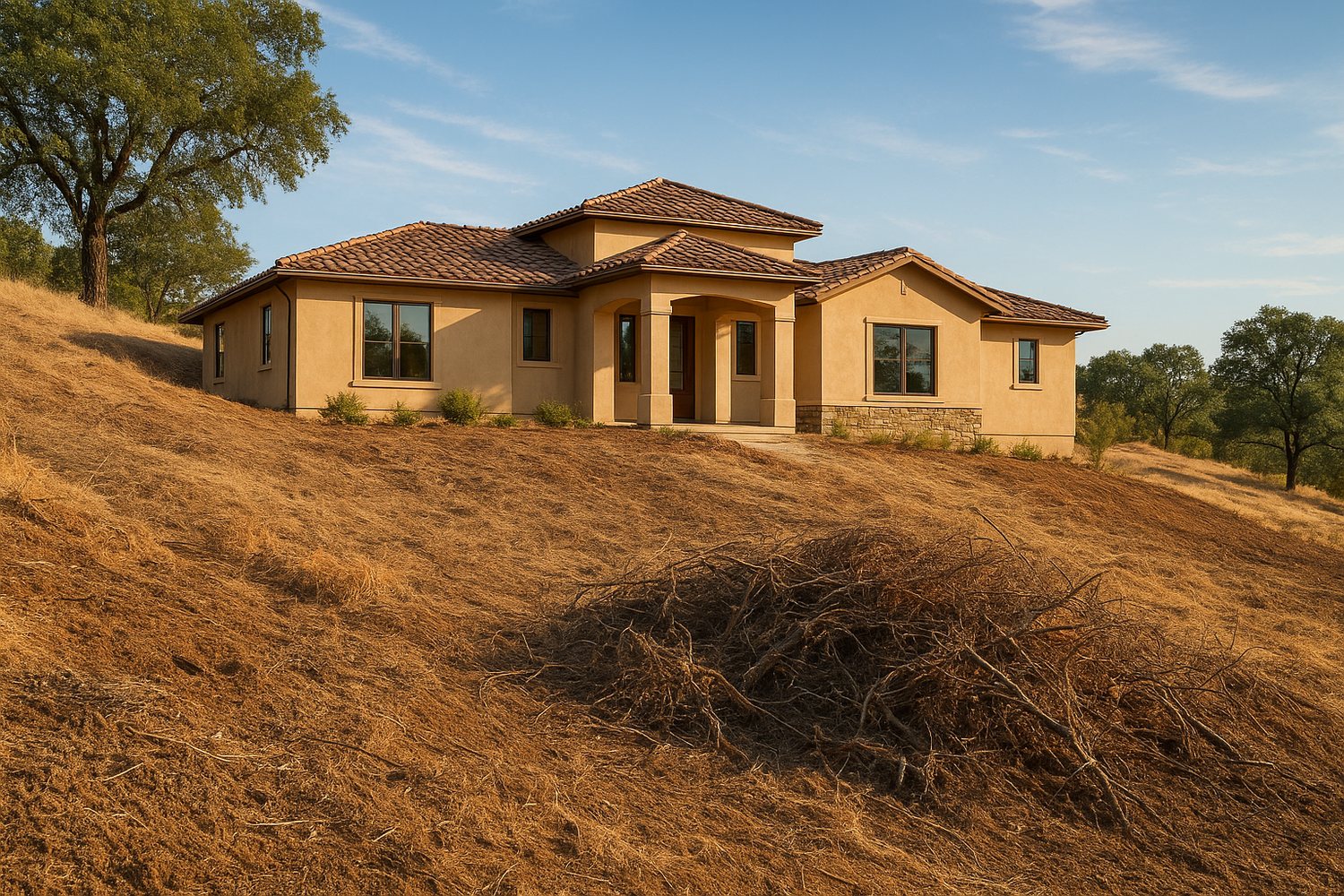
Fire-Wise Landscaping: Defensible Space Zones for California Homes
Explore practical fire-wise landscaping strategies to help safeguard your property. Understand and implement defensible space zones that matter in Placer, Sacramento, and El Dorado County communities.
Wildfire risk is a reality for homeowners in California’s foothill neighborhoods. Thoughtful landscaping choices can create defensible zones—and make a difference when it matters most.
Understanding Defensible Space in Northern California
Defensible space is a buffer zone between your home and surrounding vegetation designed to slow or stop the spread of wildfire. For Rocklin, Roseville, Granite Bay, Folsom, Auburn and nearby communities, this concept is crucial. Our regional climate brings hot, dry summers, and wildland fire is a recurring threat.
State and local agencies recommend organizing your property into defensible space zones. This means making strategic landscaping and hardscaping choices based on how close areas are to structures. Each zone has specific priorities, from immediate fire prevention to slowing embers farther out.
As the person overseeing your outdoor spaces, knowing what to remove, what to plant, and what to hardscape—and where—is key. Practical, regionally relevant guidance can help you create defensible space without sacrificing beauty or usability.
- Defensible space is about thoughtful, selective landscape management
- State law and insurance providers both call for it in fire-prone areas
- A well-maintained buffer zone protects people, homes, and neighborhoods
To explore more practical tips, visit our comprehensiveFire-wise landscapingpage.
Zone 0: The Immediate Zone (0–5 Feet)
Zone 0, also called the Immediate Zone, extends five feet from your home’s exterior walls and attached features. This area is your property’s frontline defense. Combustible materials—including mulch, plants prone to burning, stored wood, and furniture—should be minimized or eliminated here.
Hardscaping is especially effective in Zone 0. Use nonflammable surfaces like concrete, gravel, or stone for walkways, patios, and borders. Choose metal or stone planters rather than wood. If you use plants at all, opt for small, well-watered succulents spaced far apart.
Don’t forget regular maintenance—clear fallen leaves, pine needles, and debris off surfaces. With careful planning, Zone 0 can still offer curb appeal and function without increasing fire risk.
- Replace wood mulch with decomposed granite or gravel
- Remove flammable patio furniture
- Routinely clean debris from gutters and base of walls
Zone 1: The Intermediate Zone (5–30 Feet)
Zone 1 stretches from 5 to 30 feet from your house and is critical for reducing flame spread and ember ignition. Here, plant selection and spacing become important—think low, well-irrigated shrubs and widely spaced trees instead of dense hedges.
Integrate hardscape features to break up plant groupings, such as concrete paths or decorative stone borders. This region is prime for functional outdoor spaces, like seating areas and fire-resistant patios, which contribute both safety and lifestyle value.
Annual pruning, debris cleanup, and keeping grass short help ensure that Zone 1 continues to slow any advancing fire. Avoid ladder fuels—vertical arrangements that allow fire to climb from surface plants up to trees or structures.
- Avoid wood fencing attached directly to your home
- Prune tree branches at least 6 feet above ground
- Space plant groupings to avoid large, continuous fuel areas
| Zone | Distance from Home | Main Purpose | Key Actions |
|---|---|---|---|
| Zone 0 | 0–5 ft | Immediate Defense | Remove combustibles, hardscape, minimal plants |
| Zone 1 | 5–30 ft | Reduce Flame/Ember Risk | Space plants, prune trees, add patios or walkways |
| Zone 2 | 30–100+ ft | Disrupt Fire Pathways | Thin vegetation, mow grass, use retaining walls |
Zone 2: The Extended Zone (30–100+ Feet)
Zone 2, sometimes called the Far Zone, extends from 30 to over 100 feet (or to your property boundary). Here the focus is on sustaining a healthy landscape that resists fire spread. In our regional terrain, this can include native oaks, resilient perennials, and open lawn areas.
Keep grass mowed low, thin vegetation periodically, and remove accumulation of leaves, twigs and branches. This is also a suitable zone for retaining walls or terraces that disrupt fuel continuity, and for gravel or concrete sitting areas.
Vegetation management in Zone 2 doesn’t mean clearing everything. It means disrupting fire pathways and creating patches of defensible, irrigated, and maintained greenspace suited to our local environment.
- Maintain open space; avoid clusters of dense shrubs
- Thin or remove trees to create 10-ft spacing between crowns
- Use rock or masonry hardscape as visual and firebreak elements
Choosing Fire-wise Plants and Materials for Our Region
Not every plant belongs in a fire-wise landscape—especially in the foothills of Placer, Sacramento, and El Dorado Counties. Seek out low-resin, low-oil species that maintain high moisture through our dry season. Good choices might include native manzanita hybrids, sages, sedges, and succulents.
Hardscape materials should be noncombustible and practical. Local concrete, decomposed granite, and stone blends work well for walkways, borders, and patios. These surfaces don’t just stop a surface fire—they’re durable and work with a range of landscape designs.
At California Hardscapes, we recommend building with purpose: use premium materials for patios and gathering spaces, and keep planting beds well-separated. A thoughtful blend of hardscape and carefully chosen plants can make your outdoor space both beautiful and resilient.
- California lilac and yarrow are fire-resistant options
- Skip bark chip mulch—use gravel or stone instead
- Metal or stone planters are preferable over wood
For inspiration and detailed options, see the completeLandscapingsolutions overview.
Common Pitfalls: What to Avoid in Defensible Space
Many homeowners unintentionally create hazards by overplanting near structures, using flammable mulch, or letting seasonal debris build up. In our region, fast-growing invasive species can also make defensible space harder to maintain.
Positioning wood fencing, decks, or sheds adjacent to the home without proper breaks is a common mistake. These elements can create a direct fire path to your structure. Integrate hardscape buffers—like concrete mow strips or stone pathways—to interrupt fire spread.
Don’t let aesthetics override safety: Eucalyptus, Italian cypress, and juniper—popular yet highly flammable—are often used too close to homes. Replace these near structures with lower-risk plantings suited to our foothill climate.
- Routinely inspect for seasonal debris buildup—especially in gutters
- Break up long, continuous beds of plantings and groundcovers
- Avoid ‘ladder fuels’—do not plant vines or large shrubs beneath trees
Balancing Outdoor Living and Fire Readiness
Local homeowners want inviting patios, gardens, and gathering spaces—but don’t want to compromise on fire safety. With careful design, your outdoor oasis can boost both resilience and comfort.
Use fire-resistant hardscape elements—like concrete patios or stone walls—as foundations for outdoor living. Build in seating, lighting, and dining areas with premium, nonflammable materials to meet both everyday needs and fire protection.
When planning upgrades, remember that fire-wise approaches often enhance usability and value. Elevated decks, retaining walls, and well-lit pathways are not only functional, they help segment the landscape and reduce fire risk.
- Plan destination areas away from structures, within defensible space zones
- Incorporate hardscape accents to break up continuous vegetation
- LED outdoor lighting improves safety for both fire prevention and daily use
Getting Started: Steps to Create Your Own Defensible Space
Begin by mapping your property into the three zones and take inventory of current vegetation, structures, and materials. Identify immediate fire risks—such as wood piles or dense shrubs close to your home—and make those your first priority.
Replace or modify vulnerable areas using locally appropriate, fire-resistant plants, concrete walkways, or noncombustible patio material. Look for opportunities to use California Hardscapes’ expertise in hardscaping and outdoor construction, tailored for our regional needs.
Maintain your defensible space zones regularly. That includes seasonal debris removal, pruning, and irrigation adjustments as the weather changes. Well-planned fire-wise landscapes benefit your household and the community for years to come.
- Start with a consultation to assess your landscape’s risk zones
- Create a maintenance schedule for year-round safety
- Prioritize upgrades closest to the home first
Have questions or want a custom plan?Request a fire-wise consultationtoday.
Planning a landscaping project?
Call or text 916-741-0633, or email sales@californiahardscapes.com with your address, a short description and a few photos, and we will arrange a consultation.