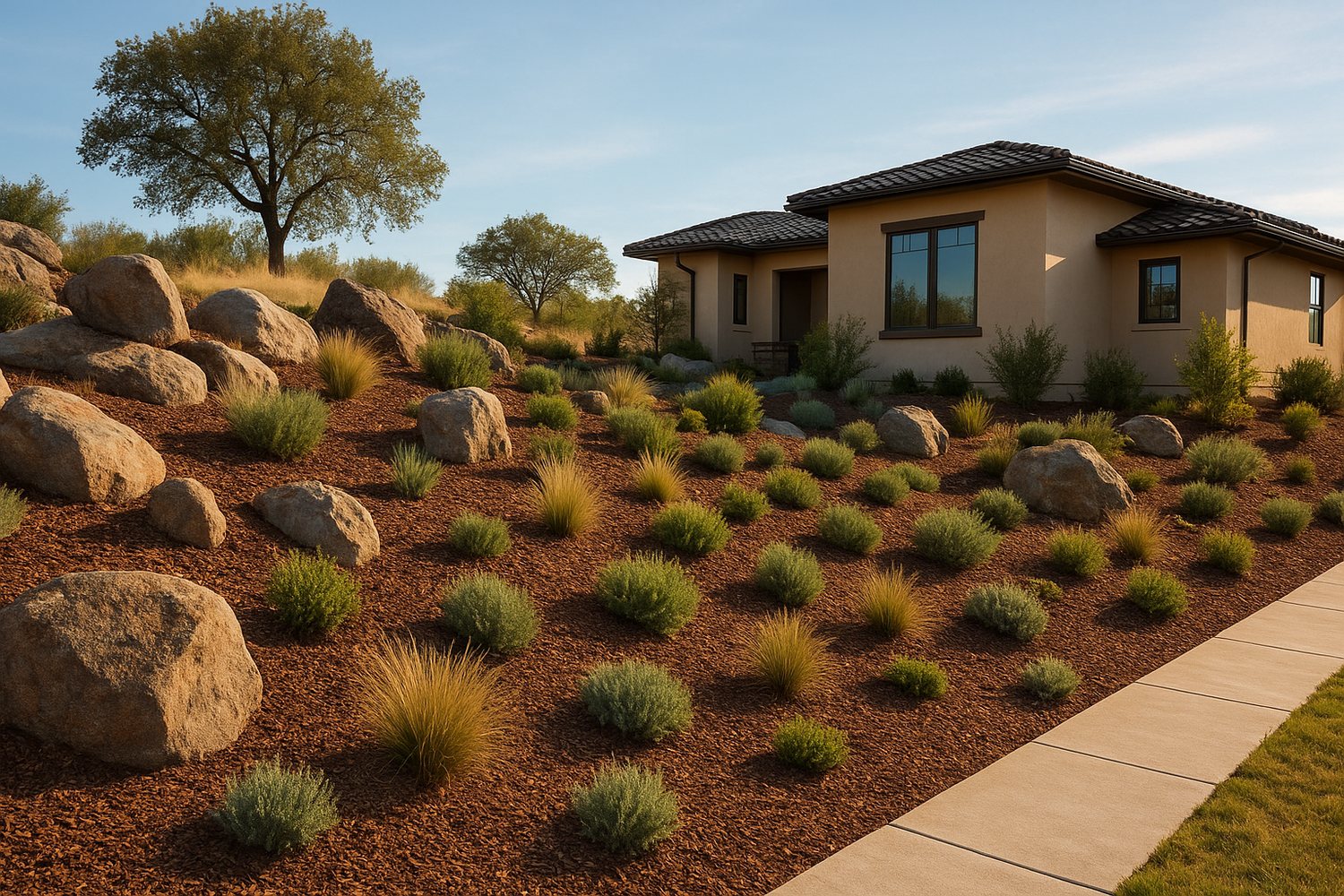
Planning Rock Gardens for Slopes: Boulders & Landscape Solutions
Effective slope rock gardens require careful planning, local knowledge, and a practical approach to lasting outdoor beauty. Here’s what to know.
Establishing a rock garden on a slope is both practical and beautiful when done correctly. Here’s how to plan one that lasts in our Northern California terrain.
Why Slopes Make Great Rock Gardens
Sloped yards are often overlooked as difficult to landscape, but they actually provide an ideal canvas for a natural rock garden. When planned with intention, rock gardens not only control erosion but also add unique visual interest and texture to your outdoor space. With our local climate—hot summers, cool winters, and surprises from heavy rains—a purposeful mix of drought-tolerant plants and thoughtfully placed boulders can create a dynamic landscape season after season.
Unlike lawns or traditional beds, rock gardens for slopes require less watering, more durable materials, and careful grading to prevent soil loss. For homeowners in Rocklin, Roseville, Granite Bay, and nearby, this means lower maintenance while working with what nature gives you. Sloped ground can be transformed into layered terraces, flowing dry creek beds, or dramatic boulder groupings.
The key to success lies in viewing the natural slope as an asset. Instead of fighting gravity, use it to inspire movement and flow in the design. Rocks anchor the space, while strategic planting softens the look. With smart planning, a steep spot becomes the standout feature of your landscape.
- Natural drainage improves plant health
- Reduces long-term maintenance needs
- Enhances curb appeal and property value
Explore more ideas and techniques on ourBoulders and rock gardenspage.
Selecting Boulders and Rock Material: Local Tips
Not all rocks are created—or sourced—equally. For a lasting, natural look on Placer, Sacramento, and El Dorado County slopes, choose boulders and rock types that reflect the geology of the Sierra foothills. Local basalt, granite, and fieldstone aren’t just aesthetic choices: they withstand our freeze-thaw cycles and sun exposure without crumbling or fading.
Size and placement matter just as much as type. Boulders should be large enough to anchor the hillside but not overwhelm the space. Cluster rocks in odd-numbered groups for natural effect, and partially bury each one for stability and to mimic nature. This helps the rock garden look established right away rather than newly installed.
Work with reputable local suppliers who understand the types of rocks that perform best on slopes. If you’re sourcing materials through California Hardscapes, you can expect advice rooted in decades of hands-on local experience.
- Favor local granite or basalt
- Partially bury larger rocks for stability
- Combine boulder sizes for depth
Building for Erosion Control: The First Priority
On a slope, keeping soil in place is critical for rock garden longevity. Installing rocks with erosion in mind is about more than placing heavy stones at random. Each rock, whether a boulder or smaller accent, should help channel rainwater, slow runoff speed, and break up long stretches of bare ground.
Terracing is a proven technique locally. By creating small level steps with stone retaining walls or clusters of boulders, you interrupt water’s momentum and allow plants to anchor the soil more effectively. Dry creek beds made from smooth river rocks can direct drainage while adding visual movement across the slope.
Mulch—especially gravel or decomposed granite—further stabilizes soil and keeps weeds down. Combine these layers with tough ground covers or California native perennials for the most resilient arrangement. Proper grading during construction ensures water flows where you want it, not where it will cause problems.
- Use terracing to break up slope length
- Line channels with river rock for dry creek beds
- Apply gravel mulch for weed suppression
| Rock Type | Origin | Best Use | Benefits | Notes |
|---|---|---|---|---|
| Granite | Local quarries | Boulders, anchor points | Durable, natural color | Ideal for all slopes |
| Basalt | Sierra foothills | Layering, edging | Resists weathering | Dark, dramatic tone |
| Fieldstone | Regional fields | Accents, walls | Irregular shapes, rustic | Mimics natural outcrops |
| River Rock | Local rivers | Dry creek beds | Smooth, varies in size | Excellent for drainage |
| Decomposed Granite | Processed locally | Pathways, mulch | Permeable, weed control | Blends with earth tones |
Plant Selection: Thriving on Slopes
Choosing the right plants helps your rock garden blend into its environment and flourish without constant care. On local slopes, drought-tolerant picks like manzanita, ceanothus, or creeping rosemary do double duty—holding the soil and providing seasonal interest. These native shrubs and groundcovers are well-adapted to summer drought and occasional winter cold.
Spacing is everything, especially where water and soil move quickly downhill. Plant more densely than in a flat garden for faster coverage and to minimize erosion between plantings. Remember, slower-growing species are often the most reliable once established, requiring less pruning and irrigation in the long run.
Pairing textural contrasts—think spiky penstemon alongside soft sedges—creates depth and a look that evolves throughout the year. Avoid water-thirsty turfgrasses or imported ornamentals that may struggle with rocky, sloped conditions.
- Select drought-tolerant natives
- Plant densely for quick soil coverage
- Use textural contrast for interest
Drainage and Water Management Essentials
Good drainage is the backbone of any successful slope planting, rock gardens included. Begin with a site assessment: observe where water collects or rushes during rain. Plan for subtle grading that encourages water to move across and through the garden—not channel straight downhill at high speed.
Mixing permeable materials is a must. Gravel, decomposed granite, and sand mixed into the soil base allow for rapid drainage, which protects plant roots and prevents puddling around boulders. French drains or perforated pipes tucked beneath the surface offer discreet help in problem spots.
It’s also wise to avoid overwatering. Drip irrigation, when necessary, should be set to deliver slow, deep soaks. This encourages deep-rooted growth and prevents the type of shallow rooting that often leads to plant failure on slopes.
- Grade for gentle, controlled flow
- Use permeable gravel bases
- Install drip irrigation, if needed
Curious about landscaping for your property? Visit ourLandscapingoverview.
Installation Insights: Timing and Labor Considerations
Timing is everything when it comes to installing a rock garden on a slope. Early fall or late winter is generally best in our area—soil is workable, plants settle in with cool-season rains, and you avoid the stress of summer heatwaves. Avoid working on wet, unstable slopes to keep grading even and prevent soil compaction or slippage.
Rock placement (especially large boulders) is a team job best left to professionals with the right equipment. Even moderately-sized rocks are deceptively heavy and can be dangerous to maneuver on uneven ground. Local crews familiar with slope conditions ensure rocks are placed safely and look naturally embedded, not perched.
For DIYers, smaller projects are manageable, but it pays to consult a contractor for grading and major rock installation. Proper planning minimizes expensive corrections later. Trust experience, and don’t rush: lasting rock gardens come together thoughtfully, one piece at a time.
- Best install seasons: early fall or late winter
- Avoid working post-rain on soggy soil
- Professional crews recommended for large boulders
Sustaining Beauty: Long-term Maintenance
A well-planned rock garden is naturally low-maintenance but still benefits from periodic attention. Early efforts to weed, reapply mulch, and check rock and plant stability pay off in fewer problems long-term. In this region, occasional windstorms and heavy winter rains can dislodge smaller rocks or mulch, so a quick spring walk-through is recommended.
Remove weeds before they seed, especially invasive types that enjoy sunny, rocky spaces. Replenish gravel or decomposed granite as needed to keep the surface even and suppress unwanted growth. Prune or trim groundcovers and shrubs only as necessary to maintain shape and healthy airflow.
Irrigation adjustments may be required as plants grow and mature. Check drip lines for clogs, especially after a dry summer, and assess plant health for signs of water stress or root rot. Most seasonal maintenance fits easily into routine yard upkeep, keeping your slope safe and attractive for years.
- Inspect rocks and plants each spring
- Reapply gravel mulch as needed
- Adjust irrigation as plants mature
When to Call a Professional
Some slopes are better left to experienced hands—especially where stability, drainage, and aesthetics intersect. If your property’s grade is steep or soil is unusually loose, professional help ensures your investment lasts and remains safe. Contractors can also spot and preempt issues with erosion or water flow that might not be obvious at first glance.
Working with a reputable outfit means your rock garden will be built to outlast seasonal extremes, not just survive the first few months. Marty has contracted and overseen outdoor projects, from concrete flatwork to complete hillside transformations. This means you benefit from local know-how, careful site prep, and licensed crews using the right equipment.
Whether you want consultation on materials, a build-ready design, or a full installation, involving professionals early can save time, effort, and money down the road. Professional oversight results in confidence, longevity, and a custom rock garden that genuinely fits your property.
- Hire out for steep or complex slopes
- Expert grading prevents future erosion
- Licensed, insured crews for peace of mind
Ready for tailored advice and planning?Request a consultationwith our team.
Planning a landscaping project?
Call or text 916-741-0633, or email sales@californiahardscapes.com with your address, a short description and a few photos, and we will arrange a consultation.