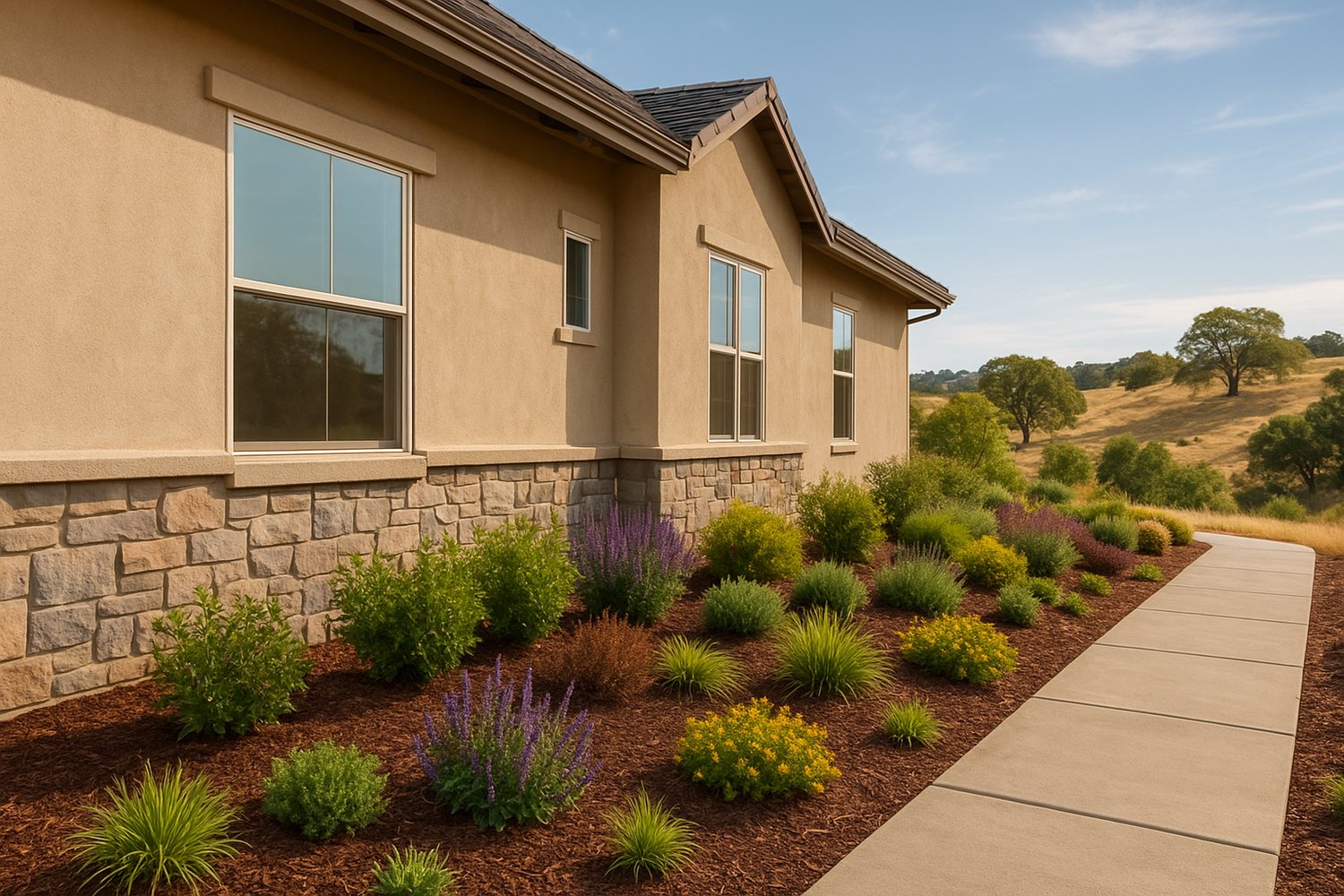
Planning Front Yard Landscaping with HOA Approval in California
Understand the key steps for successful front yard landscaping with HOA review in Placer, Sacramento, and El Dorado Counties, with tips from California Hardscapes.
Upgrading your front yard landscaping often means working with your HOA. Taking a strategic approach helps homeowners in the Rocklin area get it right from the start.
Why Front Yard Landscaping Needs Careful Planning
Front yard landscaping projects do more than improve curb appeal—they can increase property value and boost community pride. However, any visible updates in neighborhoods with homeowners associations (HOAs) come with the extra step of compliance. Skipping planning may result in re-dos, fines, or headaches down the road.
Homeowners around Rocklin, Roseville, Granite Bay, and similar communities need to take HOAs into account from day one. Many associations require approval for changes involving materials, plant choices, hardscape elements, or lighting. Each HOA’s rules have their own details and approval processes.
Careful planning also helps you avoid common pitfalls, like overplanting, encroaching on setbacks, or violating water use guidelines. By understanding what is—and isn’t—allowed, you can focus your energy on ideas that truly fit your goals and the neighborhood’s character.
For deeper insights on design options, visit ourFront yard landscapingpage.
Understanding Your HOA’s Review Process
Every HOA is unique. Some review only major structural changes; others regulate everything from rock color to tree species. The first step: request your HOA’s architectural guidelines and application forms. Read through requirements, restrictions, and sample approved projects.
Keep track of submission deadlines and how long board review can take; some meet monthly, while others may be quicker or slower. Most HOAs want detailed plans—drawings, material samples, plant lists, and even irrigation info. Clarity up front speeds things along and reduces back-and-forth.
Talking with neighbors who’ve recently landscaped their yards can often help. They may share updated requirements, advice about board questions, or insight into what the HOA is likely to approve. It’s a smart way to set realistic expectations before getting started.
Defining Your Front Yard Landscaping Goals
Begin with your practical needs and design preferences: Do you want lower maintenance, better privacy, seasonal color, or a striking entry walk? Make a list of must-haves and wish-list ideas. Picture how the yard will look from the street and for visitors walking up to your door.
Your HOA’s guidelines may impact some of your choices, especially if there are restrictions on plant heights, color palettes, or decorative features. Think about blending your personal style with the overall look of the neighborhood. Harmony is key for both aesthetics and approvals.
Budget, sun exposure, and water requirements are equally important. Drought-tolerant landscaping, local boulders, and efficient irrigation can perform well here in Placer, Sacramento, and El Dorado Counties—and they usually align with HOA and city standards. Focus on solutions that last and require less upkeep.
| Material | Pros | Cons | Best For | HOA Consideration |
|---|---|---|---|---|
| Stamped Concrete | Durable, good for custom finishes | Can get hot, needs sealer | Walkways, driveways | Choose subtle colors |
| Natural Stone | Timeless, blends with landscape | Higher initial cost | Borders, accents | Confirm color allowance |
| Pavers | Repairable, varied styles | May shift if not installed well | Paths, patios | Pick HOA-approved shapes |
| Drought Plants | Low water use, hardy | May look sparse at first | Garden beds | Stick to approved species |
| LED Lighting | Energy efficient, customizable | Cost up front | Security, accent lighting | Ensure brightness rules met |
Selecting Materials and Design Elements
Material selection is major: concrete driveways, paver walks, rock borders, stucco planters, and lighting all have pros and cons. Consider how each option weathers, its compatibility with California climates, and whether it matches or contrasts nicely with nearby properties.
If the HOA restricts certain finishes or bright colors, opt for timeless neutrals like tan or gray concrete, or earth-toned pavers. Quality counts—lower-grade materials may not age well, especially during hot Rocklin summers or cool Auburn evenings. Well-installed hardscapes stand up to decades of use.
Integrated landscape lighting boosts security and street appeal. Make sure fixture styles meet HOA rules on brightness and appearance. Prioritize LED options for lower operating costs. For plant beds, select mulch or decorative gravel in natural tones to resist fading and stay in line with local neighborhood character.
- Choose region-appropriate materials
- Confirm compatibility with HOA restrictions
- Balance curb appeal with long-term durability
Navigating Common HOA Concerns
Associations tend to watch for a few consistent issues: drainage, uniformity, maintenance, and water conservation. Any proposed changes affecting stormwater flow may need clear documentation, especially where hardscape is expanded or retaining walls are added.
Uniform street views are often a priority. This could mean sticking to a set plant list, matching fence or wall heights, or using a specific range of paver styles. It’s rarely about stifling creativity—typically, it’s to ensure overall neighborhood harmony and protect property values.
HOAs may inspect yards after installation. Choose materials and plantings that age gracefully, require minimal care, and remain compliant over time. Drought-tolerant plants often score points for their sustainability and simple upkeep—qualities both boards and homeowners appreciate.
- Document your drainage solutions
- Select plants and features for easy maintenance
- Plan for regular HOA compliance checks
To see every outdoor possibility, browse the completeLandscaping optionsoverview.
Coordinating with Experienced Contractors
Professional contractors familiar with area HOAs and city codes save homeowners time and stress. Look for crews with a deep understanding of Placer and Sacramento area expectations—especially those who regularly manage submittals, revisions, and inspections alongside buildouts.
Transparent contractors will help you prepare detailed site plans, clear material lists, and answers to likely board questions. Don’t be shy about asking for similar experience or ideas for successful approval—seasoned pros often know how to spot and solve issues before they arise.
At California Hardscapes, oversight comes from decades of hands-on work with concrete, hardscapes, and landscape design. Every project is constructed by licensed, bonded, and insured teams. Quality, accountability, and clear project management are what make your HOA process and finished yard run smoothly.
- Request contractor support with HOA paperwork
- Ask about past experience in your local community
- Prioritize teams with comprehensive project oversight
Timing Your Project for Best Results
Plan your front yard project around HOA submission and review cycles as well as ideal weather for construction. In this region, spring and early fall often offer the best combination of moderate temperatures and efficient completion timelines.
Factor in HOA lead times—some communities process applications in a week, while others may take a month or more. Building during off-peak periods avoids delays and allows you to enjoy your new landscaping sooner. Contractors’ schedules also fill quickly at certain times of year.
Advance planning can prevent last-minute scrambles if material availability shifts or if HOA boards need clarifications. Starting your review and design process in winter or midsummer positions you to kick off construction smoothly in spring or early fall.
- Begin designs ahead of HOA review deadlines
- Align with optimal weather windows
- Plan for both HOA and contractor timelines
Setting Up for Long-Term Success
After installation, keep all records of HOA approvals and plans in a safe place. These documents are useful if you plan to sell or update your yard in the future, or if questions ever arise about what’s permitted.
Consider ongoing care—a little maintenance prevents landscapes from slipping out of compliance. Schedule irrigation checks, prune plants regularly, and be proactive about replacing features or vegetation as needed. Keeping ahead of problems is far easier than fixing them later on.
A successful front yard landscape blends owner goals, community charm, and HOA rules. Partnering with experienced pros can make the process both predictable and rewarding, ensuring the finished results last and comply for years to come.
Ready to get started?Request a consultationwith California Hardscapes today.
Planning a landscaping project?
Call or text 916-741-0633, or email sales@californiahardscapes.com with your address, a short description and a few photos, and we will arrange a consultation.