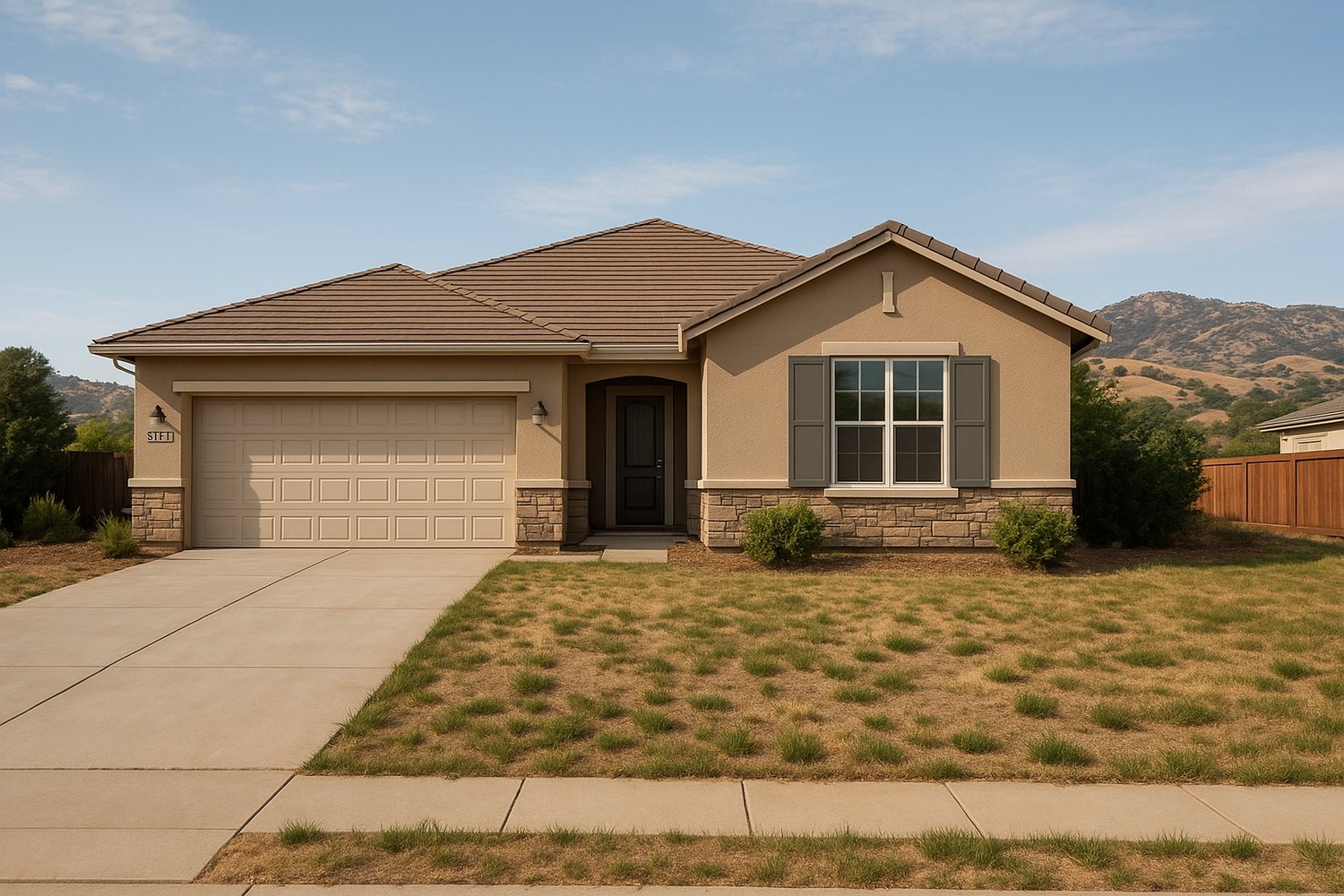
Front Yard Landscaping Designs for Maximum Curb Appeal
Well-planned front yard landscaping can transform your home’s curb appeal and value. Find out how to design layouts that match your lifestyle and local aesthetics.
A thoughtfully designed front yard sets the tone for your entire property. If you live in the Sacramento Foothills, smart landscaping can elevate your home’s appeal and function.
Why Front Yard Layouts Matter
Your front yard is the first thing guests, neighbors, and even potential buyers notice about your home. A well-structured layout does more than look attractive—it brings order and a sense of welcome to your property. That first impression isn’t just about eye-catching plants; it’s about creating a cohesive flow from the curb to your door.
In the varied neighborhoods of Rocklin, Roseville, Granite Bay, Folsom, and Auburn, homeowners are blending regionally appropriate plants with durable hardscape features. Proper design creates interest year-round while minimizing maintenance. Whether your style is formal or natural, the right front yard layout reflects both your preferences and your lifestyle.
Done thoughtfully, front yard landscaping can improve visibility, highlight architecture, and even help with water conservation. Strategic placement of walkways or patios adds livable space, enhancing enjoyment and long-term value. With practical planning and local expertise, you can transform even a small front yard into something appealing and functional.
For more tips and ideas, visit ourFront yard landscapingpage to see what’s possible for homeowners in your community.
Start with the Essentials: Entry, Walkways, and Focal Points
Every effective front yard layout begins with clear, inviting pathways and a logical flow to the entry. Concrete walkways, stepping stones, or modern pavers guide visitors and define spaces in a way that fits the architecture of homes in this region. Start by observing how you and your guests approach your front door—this will help dictate the best path lines and widths.
Adding a focal point brings cohesion and a visual anchor. In the Sacramento Foothills, options vary from large specimen plants to modern water features or custom stonework. Focus on creating a sense of arrival and natural direction toward your door. If space allows, a seating area or low wall can offer additional function without distracting from the main entrance.
Be mindful of grade changes and driveway needs, especially on sloped lots common in Granite Bay and Auburn. Proper grading ensures safety and longevity for walkways and steps. Your front entry sets the tone—getting these basics right forms the backbone of every successful curb appeal project.
Planting for Year-Round Interest and Regional Needs
Plant selection is key in the Sacramento Foothills climate, where hot, dry summers and unpredictable rainfall dictate tough, drought-adapted choices. Choose a mix of native shrubs, ornamental grasses, and evergreen plants that maintain visual interest from January through December. Layered planting—groundcovers, mid-level shrubs, accent trees—creates depth and texture.
Bolder seasonal color can be worked in with flowering perennials or small trees like crape myrtle or redbud. Avoid over-cluttering; instead, group plants by water need for efficient irrigation. Mulching beds helps conserve moisture and keeps maintenance in check. The goal is a landscape that looks settled and appealing whether it’s 105 degrees or a rainy February afternoon.
Work with sunlight and soil conditions unique to your lot. Granite Bay and Folsom, for example, may have rocky or clay-heavy soil demanding extra prep or amended beds. Take note of how much sun your entry area receives, and tailor your plant palette accordingly for strong results.
| Design Feature | Best For | Materials | Maintenance | Typical Use |
|---|---|---|---|---|
| Wide Concrete Path | High-traffic entries | Broom-finish or stamped concrete | Low | Everyday use, safe access |
| Native Planting Beds | Drought resilience | California natives, mulch | Low–medium | Color and texture year-round |
| Retaining Wall | Sloped lots | Block, natural stone, concrete | Very low | Soil management, seating, terracing |
| Permeable Paver Area | Modern curb appeal | Interlocking pavers | Medium | Entry courts, driveways, drainage aid |
| Outdoor Lighting | Safety and mood | Low-voltage LED, wired | Very low | Walkways and focal accents |
Hardscapes: The Foundation Beneath the Beauty
Hardscape elements—concrete, pavers, retaining walls, and borders—bring definition and permanence to your front yard. In local communities with hills or elevation shifts, retaining walls provide vital soil management and a polished appearance. A low wall near your front entry can double as outdoor seating or a subtle partition between drive and walk.
Choose materials sympathetic to both your home’s style and the surrounding environment. Neutral-toned pavers, textured concrete, and locally-sourced stone harmonize best with both modern and traditional homes. Avoid visually jarring materials or colors, especially on prominent features like steps or driveways.
Consider lighting as a hardscape element. Integrated low-voltage lights along walkways and entries boost safety and ambiance after dark. These practical upgrades pay off not only in curb appeal but also in daily use, making evening arrivals or gatherings safer and more inviting.
Tailoring Design to Local Styles and Regulations
Neighborhood and city regulations often impact what you can plant or build in your front yard. Many communities in Placer, Sacramento, and El Dorado counties have guidelines about fences, plant heights, and even allowable hardscape materials. Check homeowner association rules and city codes before starting a major redesign.
Front yards in Rocklin and Roseville often lean modern or craftsman, while Auburn and rural areas might favor naturalistic, informal layouts. Take cues from homes around you—well-blended front yards offer both personal expression and cohesion with the neighborhood’s established character. This approach delivers curb appeal that enhances, rather than distracts from, your home’s architecture.
Adapt your vision to blend required elements, like utility boxes or mailboxes, seamlessly into your design. Creative screening or plant groupings can soften these necessary but sometimes unsightly features without drawing undue attention.
Curious about the full range of options? Explore ourLandscapingsolutions for inspiration and decision support.
Practical Water-Wise Solutions for the Foothills
Water conservation is a top priority in California landscapes. Drip irrigation, automatic timers, and high-efficiency sprinkler heads help deliver the right amount of water exactly where it’s needed. Grouping plants by water needs (hydrozoning) improves efficiency and reduces waste—a must in western Placer and El Dorado County communities with seasonal water restrictions.
Gravel mulches and permeable hardscape surfaces also support better water infiltration, reducing runoff and keeping your yard looking crisp. Drought-tolerant groundcovers, like creeping thyme or California native carex, cut down on thirsty lawn while providing a neat, tidy look.
For homeowners committed to maximum resilience, consider converting high-maintenance turf to low-mow or no-mow alternatives. Modern lawn substitutes now blend seamlessly with contemporary front yard layouts, creating a more sustainable and appealing entry experience.
Budgeting and Planning for Lasting Value
A premium result begins with an honest assessment of your wants, needs, and resources. Work with a clear wish list, from new walkways to lighting, and prioritize phases if doing everything at once isn’t practical. Consider both upfront investment and ongoing maintenance when budgeting.
Use a master plan to stay organized. Mapping out layouts, materials, and plant groupings helps avoid future surprises and blends each element—from concrete patios to garden beds—into a seamless whole. Enlisting local experts, familiar with area conditions and permit requirements, saves time and prevents costly missteps.
Every well-installed hardscape element and plant delivers both practical use and curb appeal for years to come. Remember, a landscape is a long-term investment; spending thoughtfully on durable, correctly installed features pays off in both enjoyment and home value.
Turning a Plan Into Reality: Next Steps
Once you have a vision and a plan, start with the core infrastructure: grading, irrigation, concrete, and lighting. Quick wins—like cleaning up old shrubs, adding mulch, or highlighting your entry path—can have an immediate impact as you work toward bigger design goals.
Choose licensed, bonded, and insured professionals for every aspect of the project. Contractors with regional experience understand the soil, weather, and neighborhood typologies that impact outdoor construction quality. This way, every step is done right, from first shovel to final plant.
Front yard transformation is rarely instant. It’s a process, guided by the decisions you make about materials, plants, and layout. By breaking the project into manageable steps and seeking trusted guidance, you can create curb appeal that elevates your home’s presence and value for years ahead.
Ready to get started?Request a consultationwith California Hardscapes to discuss your front yard goals.
Planning a landscaping project?
Call or text 916-741-0633, or email sales@californiahardscapes.com with your address, a short description and a few photos, and we will arrange a consultation.