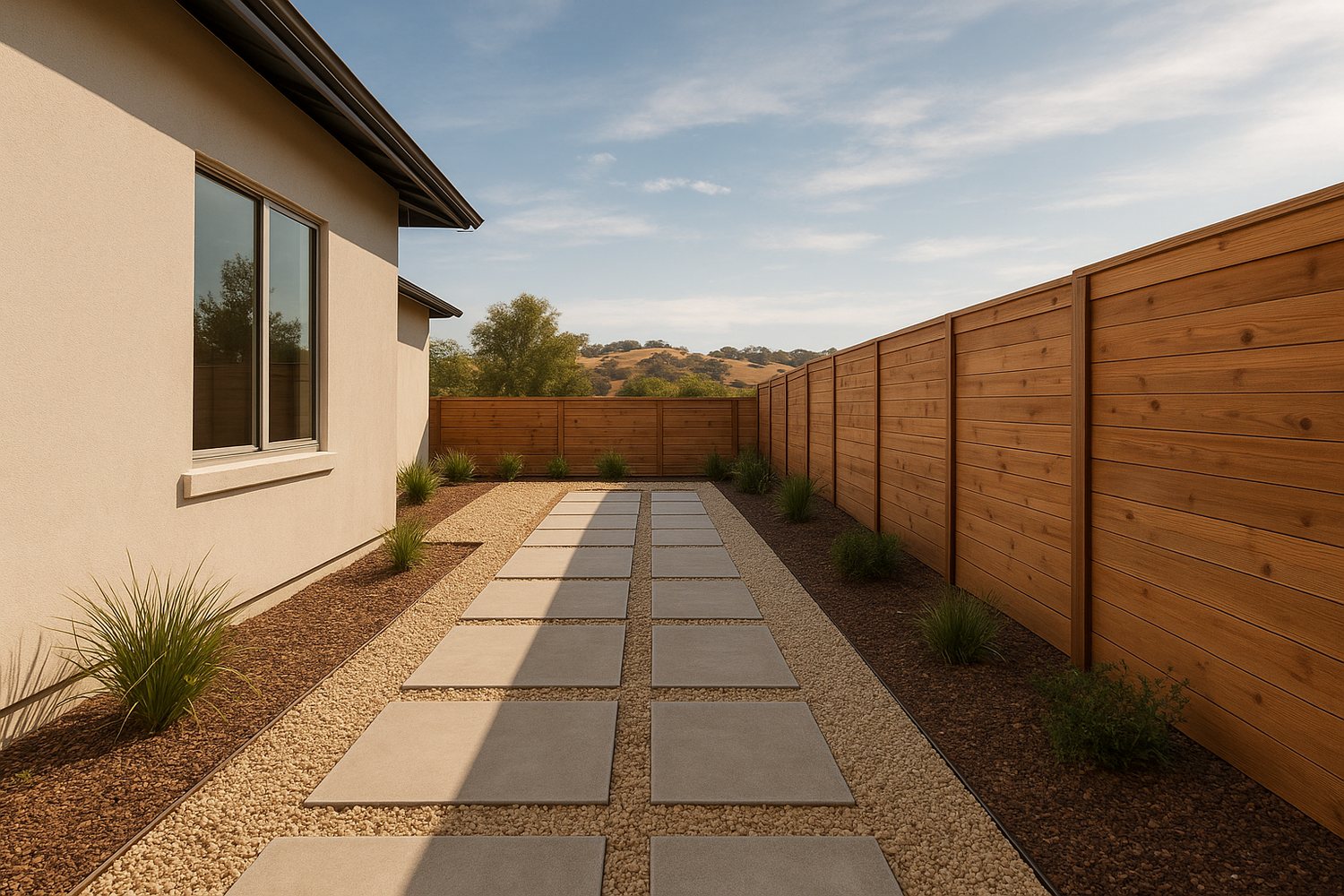
Care Guide for Gravel and Decomposed Granite Patios
Discover how to maintain a solid, attractive gravel or decomposed granite patio. Local tips for clean, lasting, low-hassle outdoor spaces.
Gravel and decomposed granite patios bring relaxed style and real function to local backyards. With a little informed care, you can keep them firm, clean, and weed-free for years.
Why Choose Gravel and DG Patios?
Gravel and decomposed granite (DG) patios are natural fits for Northern California’s landscapes. They offer texture, permeability, and a casual sophistication suited to both modern and classic outdoor living areas. Homeowners in Rocklin, Roseville, Granite Bay, Folsom, and Auburn often choose them for their cost-effectiveness and compatibility with our varied climates.
The appeal goes beyond looks. Properly installed DG and gravel patios drain quickly, helping sidestep rain puddles and runoff woes—an advantage in the Sacramento and Placer area’s wet winters. Their flexibility also makes repairs and redesigns less complex than with poured concrete or interlocking pavers.
Still, like any surface, gravel and DG need attention to both look their best and last. Understanding their basic structure and how they perform underfoot will help you decide if these patios fit your style, your landscape needs, and your time for maintenance.
- Blend with natural landscaping
- Good drainage and permeability
- Flexible for design updates
- Lower up-front cost than many hard surfaces
Learn more about materials and installation options on ourGravel and decomposed granite patiospage.
The Importance of a Firm Patio Base
A stable base is the foundation for every long-lasting gravel or DG patio. Without it, patio material shifts and sinks—a recipe for ruts, puddles, and frustration. In our region, with clays, fill material, and hardpan often just below grade, getting the right compaction and depth is non-negotiable.
Most successful patios start with at least 3–4 inches of compacted class II road base or similar sub-base, topped by 2–3 inches of gravel or decomposed granite. Compaction tools like a plate compactor get best results, minimizing settling over time.
If your existing patio feels soft or uneven, topdressing alone won’t solve the problem. In that case, thoughtful removal and rebuilding of the base may be necessary. It’s an investment up front, but will save far more trouble and rework in the long run.
- Firm sub-base prevents ruts and puddles
- Compaction reduces long-term maintenance
- Consider hiring pros for troublesome soils
Keeping Gravel and DG Patios Clean
Debris removal is simple but crucial for gravel and decomposed granite patios. Leaves, twigs, and runoff can introduce seeds and organic matter that break down into soil, ideal for weeds. In oak-shaded Granite Bay or piney Auburn, sweeping or gently blowing the patio weekly is a basic but powerful step.
For smaller patios, a stiff broom effectively pushes vegetative debris aside without scattering gravel or DG. For larger areas, an electric or battery blower on low setting works well, but avoid using high power that could displace material.
Seasonally, a light raking helps maintain an even surface by redistributing moved rocks or DG. If you have surrounding landscape beds, add edging to contain movement and make cleanup faster. Clean patios both look better and reduce the risk of weed invasion.
- Sweep or blow off debris weekly
- Rake to redistribute surface as needed
- Check and tidy patio edges
| Key Feature | Gravel Patio | Decomposed Granite Patio | Best For | Notes |
|---|---|---|---|---|
| Material Texture | Loose, angular or round stones | Smooth, fine particles | Natural, rustic look | DG can be stabilized for firmness |
| Base Preparation | Compacted road base + gravel | Compacted road base + DG | Drainage-heavy sites | Both need strong base for longevity |
| Maintenance Needs | Raking, occasional refill | Raking, may add stabilizer | Low-use areas | DG prone to dust without stabilizer |
| Dust & Mud Control | Washed gravel preferred | Stabilizer improves DG | Hot/dry climates | DG dustier in traffic |
| Weed Prevention | Landscape fabric below | Landscape fabric below | Families and pet owners | Proper edging helps all types |
Controlling Weeds the Right Way
Weeds are an ongoing battle for gravel and DG patios, especially in our region where cool, wet winters and warm, sunny springs encourage weed growth. Fortunately, a combination of prevention and maintenance keeps most patios nearly weed-free.
The first line of defense is a good quality landscape fabric underneath the patio material. While not foolproof, it stops most deep-rooted weeds and makes annual weed pulling far easier. Patios with properly installed fabric underneath maintain a clean look with less work.
Hand removal is effective for scattered weeds, especially just after a rain or irrigation. For persistent issues, spot-treat with a hand sprayer using vinegar-based or horticultural weed control products. Avoid overusing any chemical controls near lawns or plantings.
- Install landscape fabric under new patios
- Hand pull weeds after rain
- Use vinegar-based spot treatments if needed
Firming Up Loose or Sinking Patio Areas
If your gravel or DG patio develops spongy, loose, or low spots, early action is key. These issues often point to sub-base settling, improper drainage, or heavy use in a concentrated area. Ignoring them risks greater movement and expenses later.
Start by removing the loose surface material and checking for low spots. Fill soft areas with additional class II base and compact thoroughly before replacing the DG or gravel. Investing a little time here makes future corrections much less frequent.
For recurring sinking, especially after storms or seasonal change, evaluate nearby downspouts, irrigation, or grading. Surface water and poor drainage remain the leading causes of ongoing patio movement in our region.
- Remove and inspect loose areas
- Recompact base before refilling
- Address water flow and drainage issues
Explore our full range of choices on theHardscapes & Patiosoverview.
Managing Dust and Mud in Northern California
Gravel and decomposed granite surfaces can be dusty in hot, dry summers or turn muddy during heavy rain. Using the right materials and upkeep helps manage both problems without sacrificing patio use.
Washed gravel tends to handle dust better than raw or crushed varieties. For decomposed granite, ask about stabilizers—binders that lock particles for firmer, less dusty surfaces, especially useful for high-traffic or shaded patios.
During especially dry summers, a light spray of water can control dust for gatherings or daily use. For winter, check for exposed base or low spots after storms and add DG or gravel as needed to prevent mud.
- Choose washed, angular gravel for less dust
- Use stabilizers for DG in high-use areas
- Spot-water during dry spells to tamp dust
Annual Maintenance Checklist
A little annual upkeep makes a major difference for the performance and appearance of gravel and DG patios. Even well-built patios require touch-ups with our variable weather and changing vegetation each year.
Early spring and late fall are ideal times to inspect, rake, and top off low spots with fresh gravel or DG. Look for areas where surface thickness is less than 2 inches or where rain has created low, muddy patches.
Periodically check edging for gaps or movement, inspect landscape fabric if you spot weeds, and refresh any stabilizer as recommended. Mark your calendar or tie these steps to seasonal yard routines for best results.
- Top off low or thin areas with fresh material
- Rake and redistribute gravel/DG each season
- Inspect and adjust edging every fall
When to Call a Professional
Tackling loose gravel, weed invasions, or minor cleanups is well within reach for most homeowners. But if you find chronic drainage problems, significant sinking, or repeated weed outbreaks despite your best efforts, it may be time to consult a professional with regional know-how.
A reputable hardscape contractor can assess whether your patio needs rebuilding or if a simpler fix will suffice. Look for local experience—understanding Northern California soils and site conditions really matters for long-term patio performance.
Whether you’re considering a new patio, a full outdoor living upgrade, or want advice on preserving your existing surfaces, working with experts brings peace of mind and helps you get the best from your investment.
- Chronic sinking or drainage troubles
- Persistent weed or dust control problems
- Desire to update or expand patio spaces
Let’s talk about your space and needs—request a consultationwith a simple call or email.
Planning a hardscapes & patios project?
Call or text 916-741-0633, or email sales@californiahardscapes.com with your address, a short description and a few photos, and we will arrange a consultation.