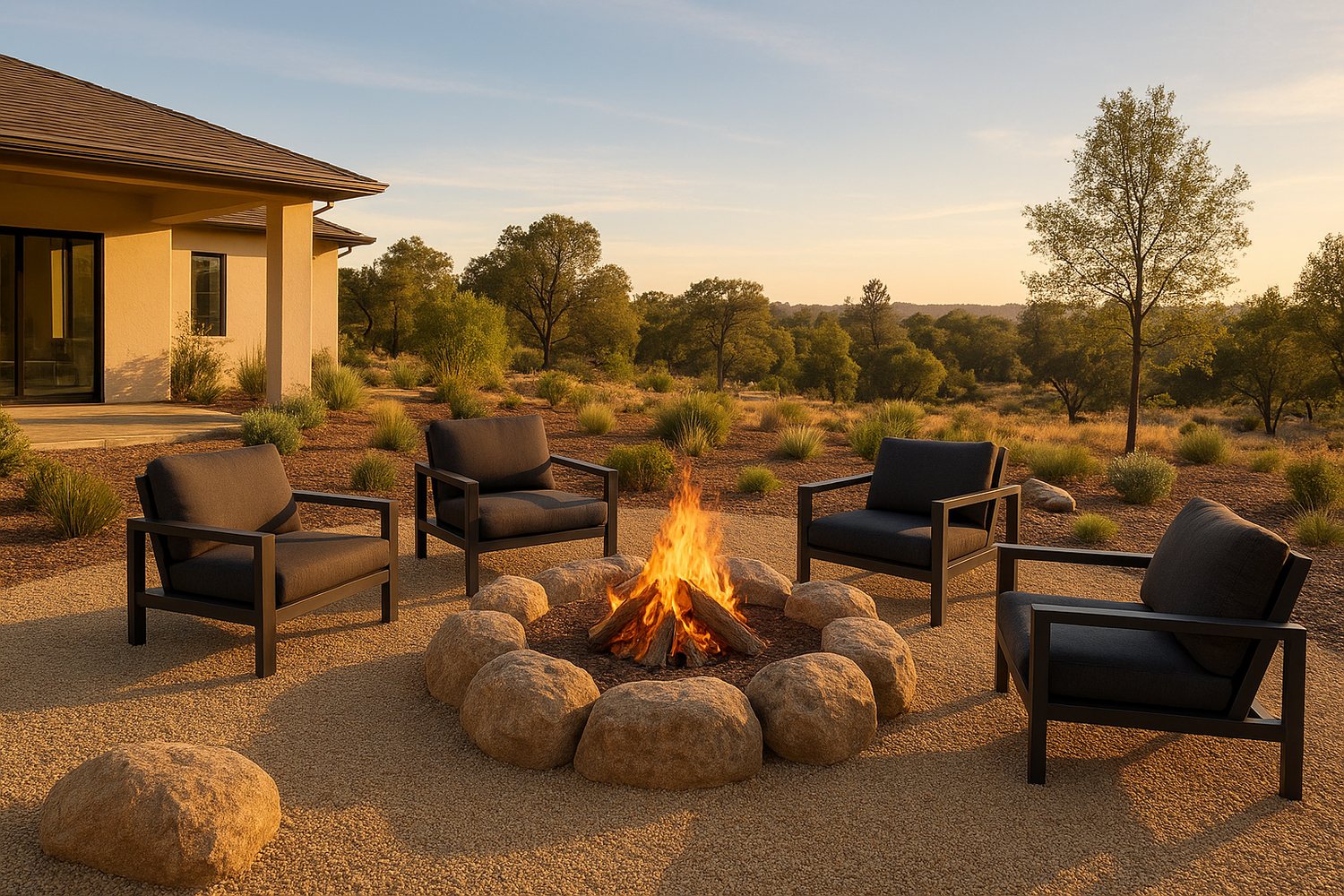
Designing Patios: Mixing Gravel, Decomposed Granite & Pavers
Explore practical ideas to combine gravel, decomposed granite, and pavers for patios that are both functional and attractive, tailored to the Sacramento region.
Blending gravel, decomposed granite (DG), and pavers opens a world of design options for hardscaping your California patio. Mix materials for eye-catching style and practical surfaces suited to local conditions.
Why Mix Gravel, DG, and Pavers in One Landscape?
Mixing gravel, decomposed granite, and pavers gives homeowners in Placer, Sacramento, and El Dorado counties flexibility. Each material offers its own strengths: gravel feels casual and permeable, DG creates a firmer walking surface and a warm, earthy look, while pavers add structure and bold detail. Using them together allows you to balance both form and function.
A well-designed mix can help control water runoff, manage high-traffic areas, or highlight pathways and gathering spaces. In the local climate, especially with summer heat and limited rainfall, combining these elements can also decrease maintenance and maximize durability.
Think of your patio as a set of zones. A paver dining area set into DG, for example, transitions seamlessly to a loose gravel lounge area. This layered approach breaks up large surfaces and instantly makes any yard feel more interesting.
For more inspiration and installation details, visit ourGravel and decomposed granite patiospage.
Selecting the Right Materials: Regional Considerations
Not every stone or base suits Sacramento Valley weather and soils. Crushed gravel drains fast, which helps prevent puddles during the rare storm, but can migrate if not contained. Decomposed granite comes in stabilized and unstabilized forms: stabilized is best for longevity and dust control in our dry, windy summers.
Pavers come in concrete or natural stone, with finishes and colors to match any style. Darker tones soak up heat but hide stains; lighter ones stay cooler underfoot in Roseville’s sun. Material selection should also factor traction, especially around pools or steep slopes.
Community association rules may influence color and finish choices, so confirm any limitations. And above all, quality installation—including proper base prep—makes the biggest impact on how your surfaces look and last over time.
Design Techniques: Blending Textures for Impact
Vary the width and shape of your DG or gravel zones to spot-define lounge, dining, or fire pit areas. Curving garden beds edged with pavers draw the eye and create easier planting pockets, all while containing loose materials.
Use gravel as an accent between large-format pavers for modern style, or add DG strips as functional walkways between destination zones. Borders of tumbled stone or steel edging help keep materials exactly where you want them.
Don’t be afraid to play with color contrasts—think golden DG paired with charcoal pavers, or cool grey chip gravel next to tawny sandstone. Carefully blended materials look intentional, not accidental.
- Transition zones with paver borders
- Mix shapes (rectangular pavers, organic gravel edges)
- Accent main surfaces with contrasting gravel or DG
| Material | Foot Traffic | Maintenance | Drainage | Visual Impact |
|---|---|---|---|---|
| Gravel | Low to Medium | Low | Excellent | Casual, Natural |
| Decomposed Granite | Medium | Low-Medium | Good | Earthy, Smooth |
| Pavers | High | Low | Moderate | Structured, Modern |
| Stabilized DG | Medium-High | Low | Good | Firm, Clean |
| Mixed-Use | Varied | Low-Medium | Excellent | Dynamic, Custom |
Durability and Maintenance: What to Expect
Local soils—often clay-heavy—can settle or shift over time. That’s why proper compaction and a reliable sub-base are vital for keeping DG walkways level and minimizing gravel movement. Annual topping off may be needed for loose materials. Pavers, if set well, need only periodic sweeping and occasional joint sand replacement.
Stabilized DG resists erosion in sloped areas. For high-traffic zones, opt for compacted DG or tight interlocking pavers. Gravel patios benefit from defined edges and periodic raking to keep the surface even.
Most planting debris blows or sweeps off easily. Consider the occasional deep clean or weed control treatment, especially between pavers or in shaded areas prone to moss. Overall, each material earns points for low effort once established.
Installation: Plan for Local Soil and Weather
Preparation makes or breaks a patio’s longevity in Rocklin and neighboring cities. For all materials, excavation and a sturdy base layer of compacted road base or class II aggregate protect against our area’s occasional heavy rain and soil expansion.
For DG and gravel, a geo-textile layer below the base reduces weed growth and keeps the stone separate from the soil. Proper grading away from structures prevents puddles and base erosion.
Paver installation requires tight edge restraints and careful leveling for a trip-free surface. If you’re including lighting, plan conduit and pathways before hardscape placement. Investing in prep now prevents headaches during winter rains or soaker hose leaks.
- Compact base layers thoroughly
- Install geo-fabric beneath loose materials
- Set paver edges securely for durability
Discover more possibilities by exploring the completeHardscapes & Patiosoverview.
Patio Zones: Creating Function with Mixed Materials
Segmenting your outdoor space by activity makes the most of mixed materials. Dine on stable pavers, relax in a DG seating nook, and stroll to the garden on a crunchy gravel path—all in one cohesive layout.
Each material designates a distinct purpose: pavers for furniture, DG for smooth foot traffic, gravel for natural transitions or accent bands. Use shape, color, or direction change to reinforce the ‘zone’ feel while keeping flow intuitive.
Work with your yard’s sun and shade. Gravel stays cooler under trees, while DG radiates pleasant warmth in the evening. Small patios benefit from diagonal paver patterns to visually expand the area.
- Plan zones before choosing layout
- Use color or edging to define functions
- Tie areas together with repeating materials
Cost and Value: Materials versus Appearance
While prices fluctuate with market and material type, gravel and DG generally offer a more budget-friendly solution per square foot than natural stone or large-format pavers. Blending methods can prioritize durability or style according to where you invest most.
Keep in mind that complex layouts or intricate edge work may add labor and materials cost. However, the end result is often a unique, high-end look unattainable with a single type of surface.
Long-term, mixed material patios typically boost curb appeal and enjoyment. With proper planning, repairs (like refilling gravel, patching DG, or resetting a few pavers) are easier and more targeted than ripping out a monolithic slab.
- DG and gravel: lower entry cost, simple maintenance
- Pavers: higher up front, premium appeal
- Mixing: maximum design flexibility
Making the Choice: Steps for Your Patio Project
Start by thinking about how you’ll use your space most. Prioritize durable surfaces where you’ll set heavy furniture or want year-round footing. Accent with DG or gravel in out-of-the-way or casual zones.
Consult a professional familiar with Rocklin, Folsom, and nearby soil types. Balancing grade, drainage, and choice of materials is the cornerstone for lasting outdoor surfaces. A pro also ensures that installation meets local code and HOA guidelines.
Finally, sample materials in person whenever possible. Colors, texture, and comfort underfoot are best judged on site—not just from a catalog photo. This step lets you visualize how blends will look alongside your landscape.
- Assess usage needs first
- Consider professional consultation
- Request material samples or mockups
Ready to discuss your project? Request a quote or design consultation—contact us to get started.
Planning a hardscapes & patios project?
Call or text 916-741-0633, or email sales@californiahardscapes.com with your address, a short description and a few photos, and we will arrange a consultation.