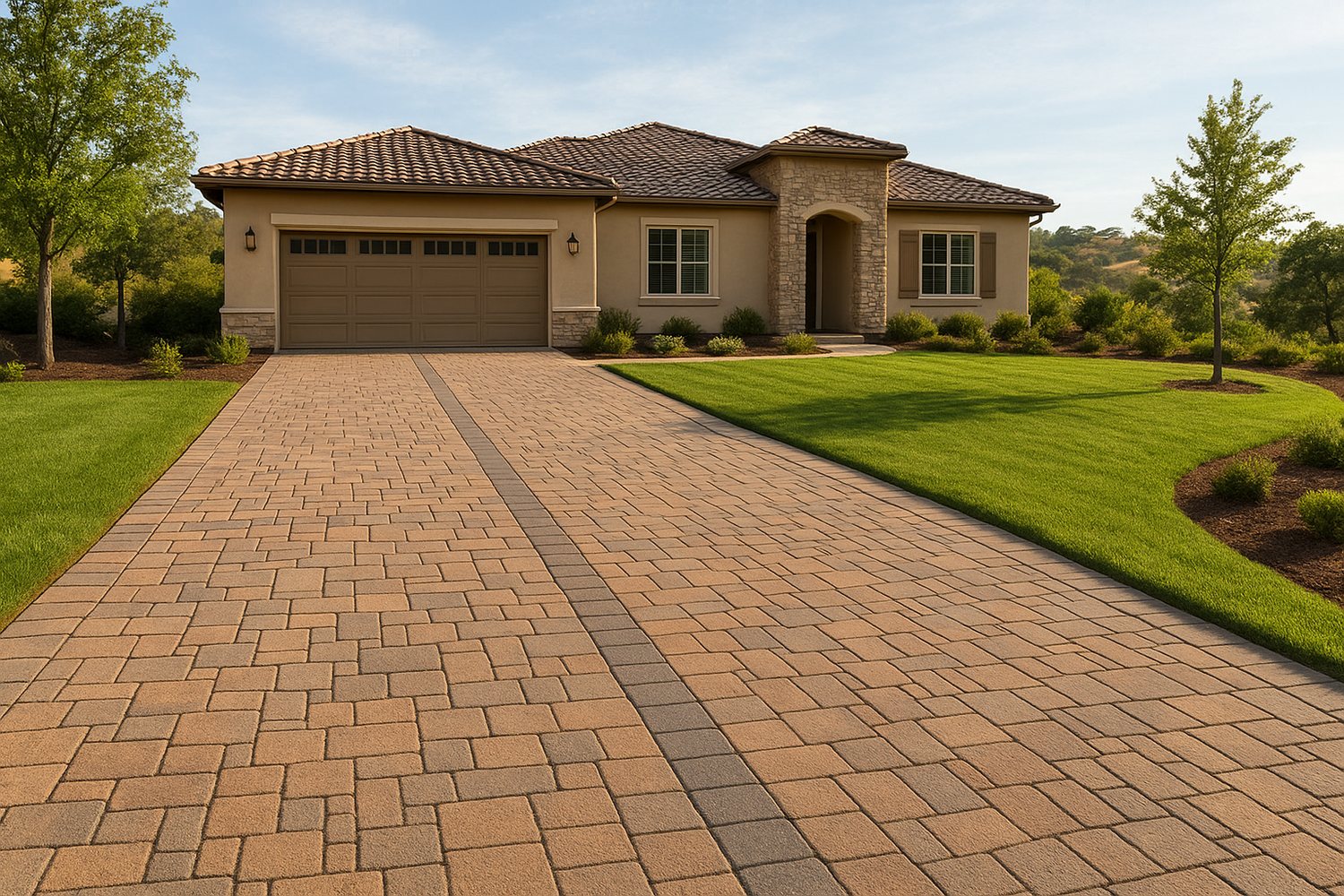
Designing Standout Paver Driveways: Borders, Banding & Colors
A well-designed paver driveway reflects true intention and lasting curb appeal. Delve into borders, bands, and color choices that make every detail count.
Choosing a paver driveway is just the beginning—your design decisions make all the difference. From borders to banding and color, those choices shape an entrance that looks planned, premium, and welcoming.
Why Design Intent Matters with Paver Driveways
Driveways are the real front doors of California homes, shaping the first impression for guests and neighbors alike. Selecting pavers is more than picking a durable surface—it’s about creating an intentional look that fits with your home and landscape. When every detail is planned, your driveway adds value and speaks to your style.
A thoughtfully designed driveway does more than boost curb appeal. Careful design ensures the project looks finished, not accidental, and helps guide the eye along walkways, entries, and garden borders. These choices matter year-round in our local climate, where wet winters and sun-drenched summers can impact surface color and texture.
Tailoring a driveway design to your needs and tastes makes daily life easier, too. The right patterns and colors help minimize glare, hide tire marks, and even coordinate with existing landscaping elements. It’s this level of intentionality that sets apart an average drive from a truly impressive one.
- Adds real curb appeal
- Builds long-term value
- Coordinates with landscape
For more details on options, visit ourPaver drivewayspage.
Defining Spaces with Borders and Edge Treatments
A border instantly communicates the limits and flow of your space. It establishes the perimeter, frames the area, and signals care in design. Borders in contrasting colors or shapes create a crisp transition between driveway and lawn, planting bed, or walkway—clarifying boundaries while adding visual punch.
Borders aren’t only aesthetic; in our area, they help contain pavers and prevent shifting caused by roots or seasonal expansion. A border can be a single row of offset stone, a wider accent band, or something custom-built with a distinct shape or textured finish. Picking the right technique comes down to your home’s architecture and your preferences for contrast or subtlety.
Some homeowners prefer a clean, minimalist edge, while others favor a bold frame. Lighter border pavers can brighten shade areas, while darker stones hide grime near the street. It’s a practical consideration as much as a design one—especially with the pine needles, oak leaves, and rainfall typical in our region.
- Defines transitions
- Adds structural support
- Offers subtle or bold flair
Banding: Visual Interest and Practicality
Banding refers to including one or more stripes or patterns, usually running across the width or length of the driveway. This design element isn’t just about catching the eye—it’s about breaking up large expanses, guiding cars (and people), and adding order that feels intentional rather than accidental.
You might see banding used to mark parking zones, highlight entrances, or add rhythm to a long drive. Careful selection of band width, spacing, and color keeps the design impactful without feeling busy. Locally, darker bands help minimize the impact of tire marks and dust, which is helpful on busy suburban drives.
These techniques can also echo other landscape features—think pool coping, patio edges, or garden paths—for a cohesive, pulled-together result. Whether you choose a single bold band or multiple subtle accents, banding is an effective way to create a premium driveway design.
- Guides arrival and parking
- Breaks up large areas
- Coords with patios/landscape
| Feature | Borders | Banding | Base Color | Accent Color |
|---|---|---|---|---|
| Purpose | Defines and frames driveway; prevents shifting | Adds interest; breaks up area | Main tone; covers most area | Highlights details and borders |
| Visual Impact | Crisp outline; subtle or bold | Directional; can highlight entrances | Sets overall mood | Provides contrast or coordination |
| Maintenance | Helps limit edge damage | Masks wear marks | Varies by color choice | Can mask stains or tire tracks |
| Common Choices | Charcoal, tan, or multi-blend | Darker or contrasting to base | Brown, beige, gray | Red, gold, or more saturated blend |
Color Choices That Suit Our Region
Color selection is one of the most important decisions for driveway pavers. The right palette blends with your home and surroundings, while the wrong one can stick out for all the wrong reasons. In Placer, Sacramento, and El Dorado County, earthy tones like tans, browns, and muted charcoals pair well with both stucco and siding.
Sun intensity, local dust, and leafy debris all affect how paver color wears over time. Lighter pavers can help reduce heat absorption, but may show stains more easily. Darker blends hide grime, but can get hotter in direct sun. Many homeowners choose a color mix to soften the surface, masking tire tracks and pine needles.
When selecting colors, consider the big picture: house color, roof hue, garden beds, and neighboring hardscape. Ask about samples and review pavers in different lights before settling. A little time up front ensures your driveway looks right for years in all four seasons.
- Earthy tones suit the landscape
- Color blends mask wear
- Samples help with decisions
Pattern and Layout: More Than Just Looks
Pattern selection impacts more than your driveway’s style—it can influence water runoff, perceived width, and even maintenance. Herringbone and running bond are popular for stability, while basket weave or random layouts create a relaxed, custom vibe. Repeating patterns can make narrow drives feel broader or long entries feel shorter.
The way pavers are laid affects their performance during our region’s wet season. Certain layouts help channel runoff, reducing pooling near garage doors or low spots. Patterns also matter when connecting a driveway to existing patios, sidewalks, or entryways: continuity in pattern supports a seamless, pulled-together property.
A good design draws on both practical and aesthetic goals. Discuss traffic flow, car size, and drainage needs with your contractor during planning. That way, the pattern serves both your needs and your home’s appearance.
- Affects water management
- Shapes perception of space
- Ties into existing features
Explore broader ideas in our completeHardscapes & Patiosoverview.
Getting Down to Details: Joints and Finish Options
Joint color and width can be the silent detail that turns a decent driveway into an impressive one. A slightly contrasting joint highlights pattern and keeps the driveway looking crisp, while a matching joint gives a more blended, subtle effect. Choosing joint sand that resists weeds and ants is a must in our local soils.
Finishes also matter. For driveways heavily exposed to sun or tree cover, a matte finish can help with glare and hide minor scuffs, while a gently textured surface gives added traction—especially useful in shady pockets prone to moss or after a rain. Ask about sealing options: these may deepen color or help repel stains, which matters in pollen-heavy or leaf-dropping areas.
It’s easy to overlook these touches in the excitement of picking paver shape and color. But the details make the difference in how your driveway holds up to both weather and daily use—and in how it will look for years to come.
- Joint color impacts style
- Texture improves safety
- Proper joint sand limits weeds
Making Choices That Fit Your Home and Neighborhood
A great-looking driveway works with your home—not just in isolation but as part of the street view and landscape. In Rocklin, Roseville, Granite Bay, Auburn, and Folsom, homes range from classic to contemporary, so it pays to consider the look and feel of your street, neighbors’ landscapes, and any HOA guidelines.
Shared drives, sloped lots, or curving approaches may influence which borders, bands, and colors will look best and function well. Elements like mailbox pads or path connections are also best considered now, so your design feels deliberate and not like an afterthought. Take time to drive your area for inspiration before finalizing selections.
Above all, the most successful driveway designs combine your personal taste with practical choices for climate, maintenance, and local styles. Local experts can help recommend proven layouts, paver types, and color blends that feel timeless but are tailored to your needs.
- Complement home and neighborhood
- Address sloped or shared drives
- Gather local inspiration
Work with Local Knowledge for Lasting Quality
Installing a driveway is a significant investment, so tapping into deep local building knowledge is invaluable. A contractor who understands both hardscape design and regional conditions will spot potential issues before they become problems—whether it’s the soil type, native trees, or impact of seasonal weather.
At California Hardscapes, Marty’s decades in concrete and outdoor living construction mean that every detail—drainage, edge prep, base compaction, and finish—gets the attention it deserves. Planning for durability from the start saves maintenance headaches down the road and ensures the beauty of your intentional design lasts.
When you’re ready to plan a driveway that really fits your property, seek specific input for our neighborhoods and lifestyles. Good advice leads to great results—driveways designed and built to look purposeful, handle local challenges, and add pride to your curb.
- Local expertise avoids costly mistakes
- Design with climate and usage in mind
- Durability comes from attentive construction
Ready to discuss your project?Request a consultationto get advice tailored to your home.
Planning a hardscapes & patios project?
Call or text 916-741-0633, or email sales@californiahardscapes.com with your address, a short description and a few photos, and we will arrange a consultation.