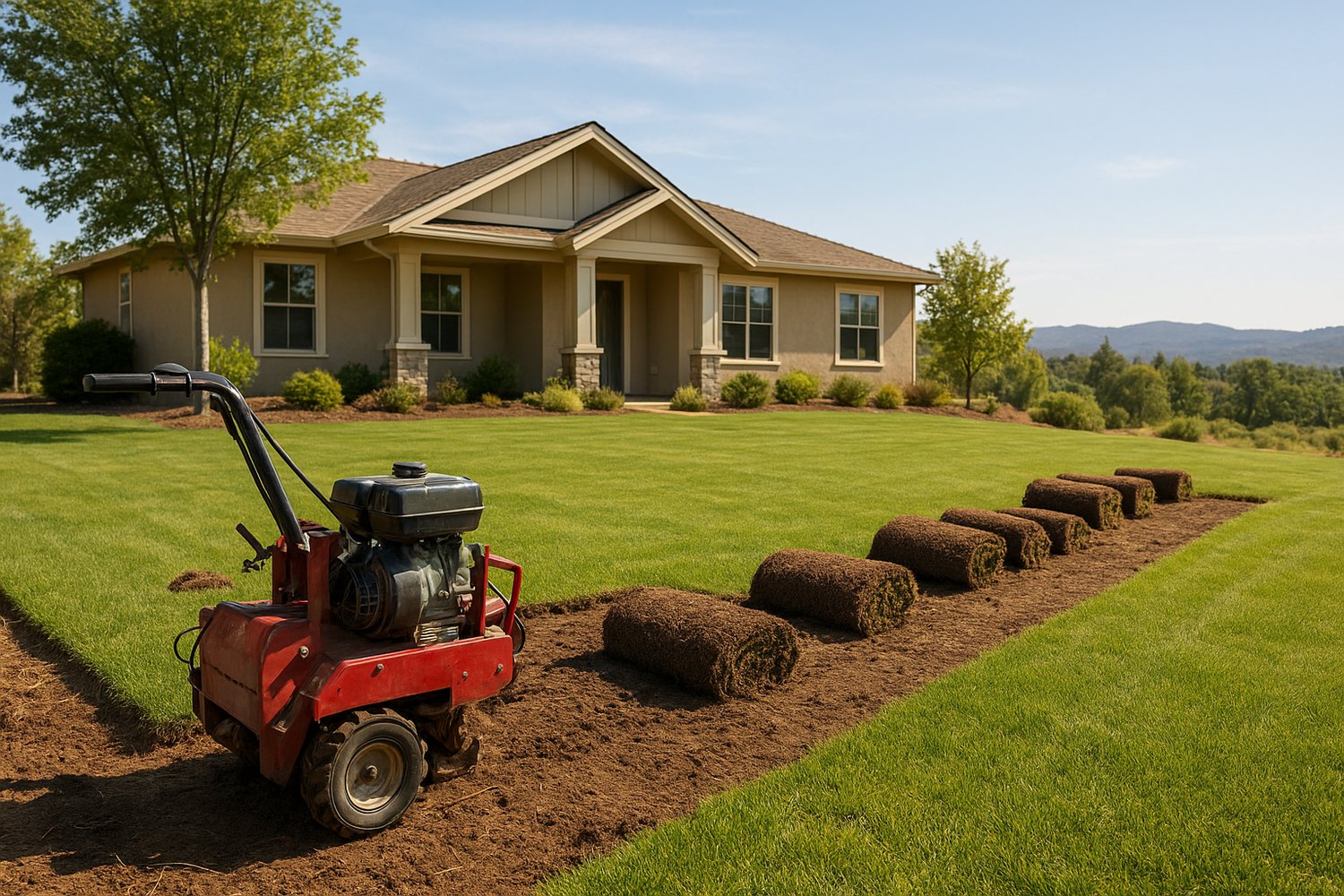
Lawn to Turf Conversion and Water Savings in the Sacramento Region
Switching from lawn to artificial turf can save thousands of gallons of water a year. Learn how much you can save and how to check for rebate programs in your area.
Tired of high water bills and ongoing lawn care? If you’re considering a switch from natural grass to turf, you’ll want the facts before you decide. Here’s what to know about how much water you can save, and how to find local rebates that make the investment even smarter.
Why Water Conservation Matters Here
California’s summers are famously dry, and the Sacramento region is no exception. Every year, restrictions come into play and water bills rise. Across Rocklin, Roseville, Granite Bay, Folsom, Auburn, and surrounding communities, responsible water use isn’t just sensible—sometimes, it’s required by your local utility or city.
Traditional lawns are some of the thirstiest parts of our yards. Keeping grass green here needs consistent irrigation, especially during long, hot stretches. Depending on your property size, your lawn could be your single largest water user.
Shifting to artificial turf helps cut back on outdoor water use. That doesn’t just save money. It also supports local efforts to manage water resources so there’s enough to go around, even during dry or drought years.
– Reduces strain on local water supply – Supports regional sustainability goals – Encouraged by many cities through rebates
See a full breakdown of savings and installation at ourLawn to turf conversion and water savingspage.
How Much Water Does Grass Really Use?
A typical 1,000-square-foot lawn in this region uses about 600 to 750 gallons of water per week during the growing season. That can add up to more than 30,000 gallons every year—often just to keep the grass looking acceptable through our intense summers.
Grass type, soil, sun exposure, and irrigation system efficiency all factor in, but the numbers are eye-opening. Lawns not only soak up precious water, but often need even more during heatwaves or droughts. For many homeowners, turf is the main driver of summer water bills.
Local agencies sometimes publish guides to help you estimate your lawn’s water needs. To get specific for your yard, check your water usage during peak summer months and compare it to the off-season; the increase is usually due to irrigation.
Turf Conversion: Water Savings at a Glance
Converting from natural lawn to artificial turf can reduce your outdoor water use for that area by nearly 100%. Once installed, modern turf needs only occasional hosing to clean up debris—nothing like the gallons-per-minute a sprinkler uses.
If your property has a 1,000-square-foot lawn, removing it could save enough water every year to fill an average backyard pool. Those savings add up, year after year, with very little maintenance required.
Plus, you’re no longer at the mercy of drought, watering restrictions, or rising utility costs. Artificial turf’s resilience means your landscape looks sharp day in and day out, no matter how dry the season gets.
- Nearly eliminates irrigation for converted areas
- Stable landscape regardless of water restrictions
- Lower annual water costs
| Feature | Traditional Lawn | Artificial Turf | Drought-tolerant Landscaping |
|---|---|---|---|
| Typical Water Use (sqft/year) | 30,000+ gal | less than 1,000 gal | 5,000–10,000 gal |
| Year-round Green | With heavy irrigation | Yes | Varies by plant type |
| Ongoing Maintenance | Mowing, fertilizing, weeding | Minimal—mainly cleaning | Pruning, light care |
| Heat Response | Browns in drought | Remains green | Depends on planting choices |
How to Estimate Your Savings
To get a clear idea of potential savings from lawn to turf conversion, start by reviewing your past summer water bills. Check for spikes that usually correlate with irrigation season. Divide your outdoor area’s square footage to get a per-square-foot usage estimate.
Next, use local calculators or water district charts for a rough estimate. For example, Roseville’s water department and many Placer and Sacramento agencies publish guidelines showing typical lawn water consumption and the reductions possible with drought-friendly alternatives.
Don’t forget to factor in future rate increases, which can be unpredictable. The best part: with artificial turf, those rising costs have much less impact on your household budget.
- Compare year-over-year summer bills
- Check water use per square foot of lawn
- Consider rising future water rates
Local Rebate Programs: What to Know
Many water providers in Placer, Sacramento, and El Dorado counties offer rebates to help offset the cost of turf conversion. The process and requirements differ, but the savings make them worth investigating.
Typically, you’ll need to apply before tearing out your lawn—so check with your city or water district first. Look for details on eligible turf types, minimum removal requirements, and deadlines. Some cities even provide extra incentives for using drought-friendly plants alongside turf.
California Hardscapes can help guide you to the right resources, but the latest rebate details are always available through your local agency’s website. Start there to see which incentives are current for your address.
- Research before starting your project
- Check for minimum square footage rules
- See if combining turf with native plants increases your rebate
Explore all your choices on theArtificial Turf optionsoverview for our region.
Artificial Turf: Not Just for Looks
Many homeowners choose turf for the year-round green-up, but quality artificial grass does more than upgrade curb appeal. It boosts usability—no more muddy footprints, yellow spots, or patchy bare areas.
Turf is safe for kids, pets, and outdoor gatherings. Modern materials are durable, UV-stable, and designed for the climate here. Plus, the latest styles offer improved drainage so rainfall never pools.
If you like to entertain outdoors or want a low-maintenance yard that always looks fresh, turf is a practical option for busy families and retirees alike.
The Reality: Weighing Pros and Cons
While artificial turf offers huge water savings and minimal upkeep, it’s important to weigh your family’s preferences. Natural grass has its fans, especially for gardeners or those who prefer a living landscape.
Consider the upfront installation and future replacement costs. Turf lasts many years, but unlike grass, it won’t recover from significant damage. It can also feel warmer under direct summer sun than natural lawn.
Practical decision-making means balancing these tradeoffs with the long-term savings, appearance, and usability you want from your yard. Reliable local guidance can help you make a choice that fits your property and lifestyle.
- No mowing or fertilizing
- Reduced ongoing costs
- Consider comfort and use patterns
Taking Your Next Step—What to Expect
Ready to explore a turf conversion? A well-managed installation process typically starts with measuring your lawn, evaluating grade and drainage, and clarifying any rebate requirements before work begins.
Work with a trusted local contractor who understands the unique soils, water agencies, and installation challenges in our region. California Hardscapes offers clear, practical advice and walks you through every stage of the decision and installation.
With decades of experience in concrete and outdoor construction, the team is equipped to integrate turf seamlessly with patios, pathways, or larger outdoor living projects. It’s about making sure your outdoor space serves your needs for years to come.
- Review your goals and outdoor layout
- Ask about rebate paperwork and timing
- Expect clear communication throughout the process
Ready to see what’s possible at your home?Request a consultationto talk through your project.
Planning an artificial turf project?
Call or text 916-741-0633, or email sales@californiahardscapes.com with your address, a short description and a few photos, and we will arrange a consultation.