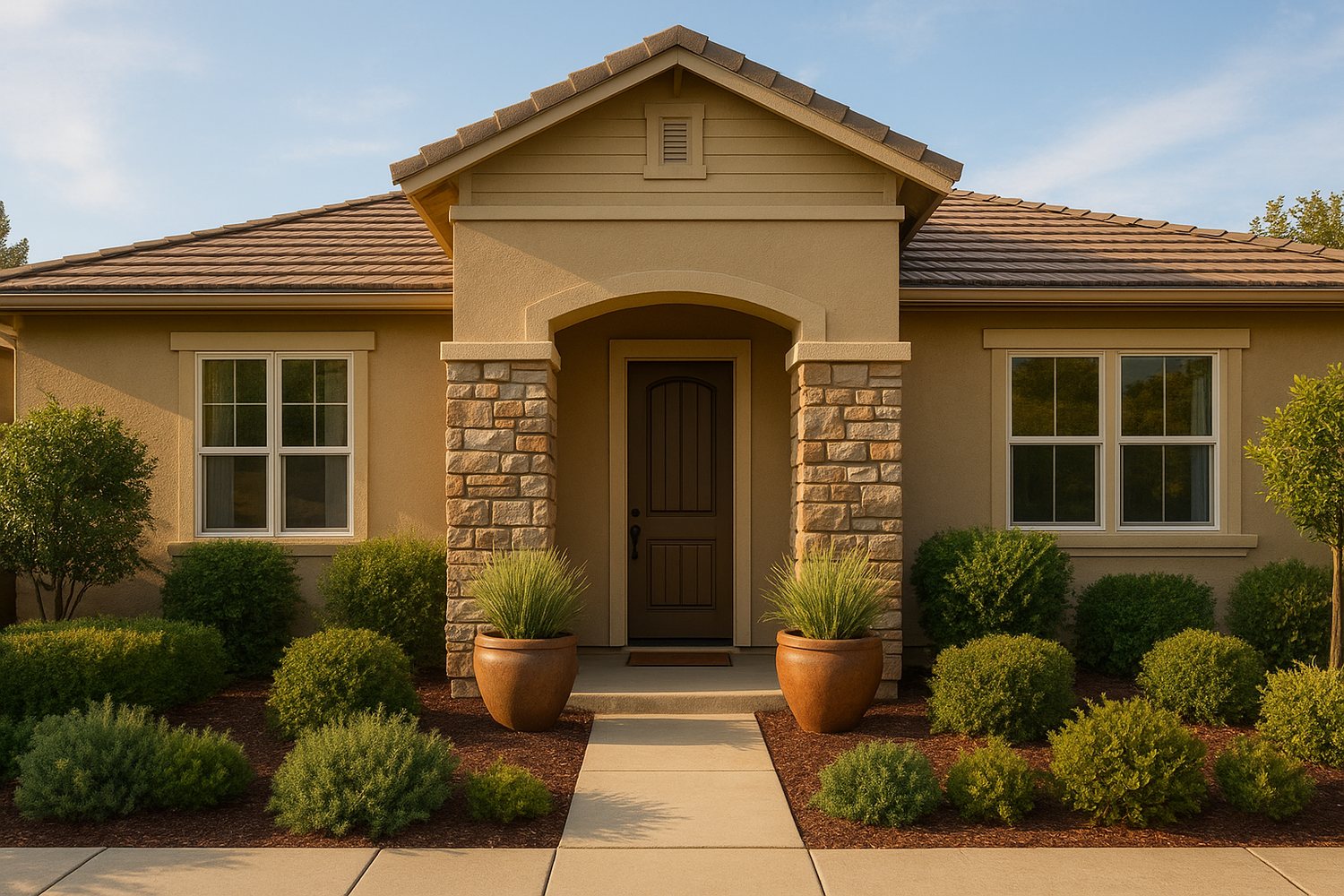
Lawn vs. Planting Beds: Choosing the Right Front Yard for You
If you’re weighing a traditional front lawn against garden-style planting beds in Placer and Sacramento County, here’s a clear, region-specific comparison.
Homeowners in Rocklin, Roseville, and surrounding areas face an important decision: stick with a lawn, or opt for planting beds? Let’s break down what works best for Northern California front yards, so you can make a choice that fits your needs and curb appeal goals.
Why This Decision Matters in Our Region
The look and long-term maintenance of your front yard play a big part in property value and neighborhood appeal. In communities like Rocklin, Roseville, and Folsom, yard styles are shifting with drought concerns and changing property trends. What you choose not only sets the tone for your home, but it also impacts water usage and upkeep requirements.
Our local climate features hot summers and mild winters, making plant survival, irrigation systems, and shade essential factors. Both lawns and planting beds perform differently under these conditions—the choice influences ongoing costs, seasonal attention, and aesthetic possibilities.
Understanding these practical considerations helps clarify your priorities. Whether you want a classic green lawn or layered, colorful beds, what works well in Southern California may not suit us here. Choosing wisely means getting years of enjoyment from a landscape built for local realities.
- Watering needs should match our climate
- Curb appeal trends favor both options
- Proper planning helps reduce future headaches
If you want to explore specific approaches, visit our mainFront yard landscapingpage for more inspiration.
Lawn: The Enduring Classic
A traditional lawn offers instant familiarity and a wide, green welcome. It’s the go-to for families who want a play space, or for homeowners aiming for a tidy, uniform appearance. For homes in Granite Bay and Auburn, the look still blends seamlessly with most neighborhood expectations.
Lawns, however, come with requirements—regular mowing, fertilizing, and especially, high water usage. With our dry summers, even drought-tolerant seed needs irrigation. Consider how much effort you’re willing to put in, as the workload and costs may steadily add up over time.
The root zone for grass is usually shallow, so lawns can struggle in extreme heat or during water restrictions. If resilience and sustainability are high on your list, research local ordinances and rebates for turf reduction or efficient irrigation before committing.
- Visual consistency and open space
- Best for activities and simple upkeep routines
- Careful planning needed for lasting color
Planting Beds: Beauty and Flexibility
Planting beds offer a different approach: curated arrangements of shrubs, perennials, ornamental grasses, and groundcovers. In Folsom and El Dorado County, these beds can provide layered interest and seasonal change with far less water.
While there’s more initial design work, once established, beds usually need less maintenance than lawns. Mulch controls weeds and helps insulate roots, while drip irrigation keeps water use efficient. Plus, our regional soils often benefit from the improved structure that beds provide.
Selecting plants suited to our region’s heat, sun, and winter lows brings lasting success. Beds also invite pollinators and can be adapted as tastes change. If you crave color, texture, or want something more tailored to our California climate, planting beds are worth real consideration.
- Offers variety and four-season interest
- Lower water and maintenance needs long-term
- Works for small or complex spaces
| Factor | Lawn | Planting Beds | Notes |
|---|---|---|---|
| Water Use | High | Low | Beds can cut water up to 70% |
| Maintenance | Frequent | Moderate | Beds need seasonal upkeep, lawns weekly |
| Curb Appeal | Classic, uniform | Colorful, layered | Both can boost home value |
| Installation Cost | Moderate | Varies | Beds cost more at start, less to keep |
| Flexibility | Limited shapes | Customizable | Easier to adapt beds over time |
Head-to-Head: At a Glance
Let’s directly compare lawns and planting beds across the key factors that matter most to Placer and Sacramento County homeowners.
This table captures the everyday realities: water, work, looks, flexibility, and potential return. Knowing these details can help you prioritize what’s right for your home.
Keep in mind, many homes combine both features for the best of both worlds—a functional space with curb appeal and resilience to climate.
Installing Your Front Yard: Key Steps
Whether you pick lawn, planting beds, or a combination, careful planning and site prep are crucial. Each option benefits from thoughtful grading, efficient irrigation, and tailored base materials for longevity and appearance.
For lawns, soil amendment and proper turf selection are musts. Consider drought-tolerant blends and smart controllers for irrigation. With planting beds, focus on healthy, well-amended soil, grouping plants by water demand, and laying out drip lines for efficiency.
Local advice makes a difference—every street in Auburn or Roseville can have slightly different soil or sun exposure. A practical installation plan now means fewer repairs and stronger results later.
- Test soil and assess sun exposure before starting
- Invest in foundational prep for either option
- Irrigation planning prevents waste and uneven growth
See our full overview to compare allLandscaping optionsfor your California home.
Front Yard Maintenance: What to Expect
Ongoing upkeep can turn an appealing landscape into a chore, so it’s important to estimate your future effort level clearly. Lawns demand regular mowing, edging, and fertilization, along with seasonal aeration to stay healthy.
Planting beds can seem simpler, but they aren’t set-and-forget: plan for seasonal trimming, weeding, and occasional replanting. Drip line checks and mulch refreshes are the main regular tasks in our climate.
Remember, the right design up front will save you time and money every month. Think about your calendar, willingness to garden, and budget for professional help as part of your decision.
- Lawns: weekly work, high summer demand
- Beds: seasonal but less intense commitment
- Both may need some expert help periodically
Water Smart: Fitting Your Yard to Our Climate
Drought remains top of mind for many local homeowners. Lawn alternatives, like planting beds with native or drought-tolerant plants, significantly lower water use. Even with efficient sprinklers, front lawns will always need more water than most beds.
Our region increasingly rewards smart landscaping with rebates and incentives for reducing turf or installing efficient irrigation. Mulch, drip lines, and region-appropriate plant palettes are practical strategies our clients routinely ask about.
Adapting your landscaping isn’t just about compliance—it’s about keeping outdoor spaces attractive and useful in a changing climate. Upfront planning and the right installation keep your curb appeal strong and water use controlled.
- Drought-tolerant options cut costs long-term
- Consider local rebates and programs
- Efficient watering = healthier results
Making the Best Choice for Your Home
Your priorities come first. If you want a safe play area and classic look, a lawn might still be the answer. If lower maintenance, water savings, and style variation matter most, planting beds are hard to beat in neighborhoods like Rocklin and Granite Bay.
Many front yards benefit from a smart mix—minimal lawn areas for activity or pets, with beds framing entries and walkways for color. Blending the best of both brings functionality and enduring value in our region.
Great front yard landscaping isn’t about trends—it’s about matching your property’s needs with proven, regionally smart choices. With the right planning and professional advice, you get years of satisfaction and curb appeal you’re proud of.
- Make a list of your top goals
- Consider a mix for flexibility
- Plan now for better, lasting results
Ready for input on your own front yard?Request a consultationwith a local expert.
Planning a landscaping project?
Call or text 916-741-0633, or email sales@californiahardscapes.com with your address, a short description and a few photos, and we will arrange a consultation.