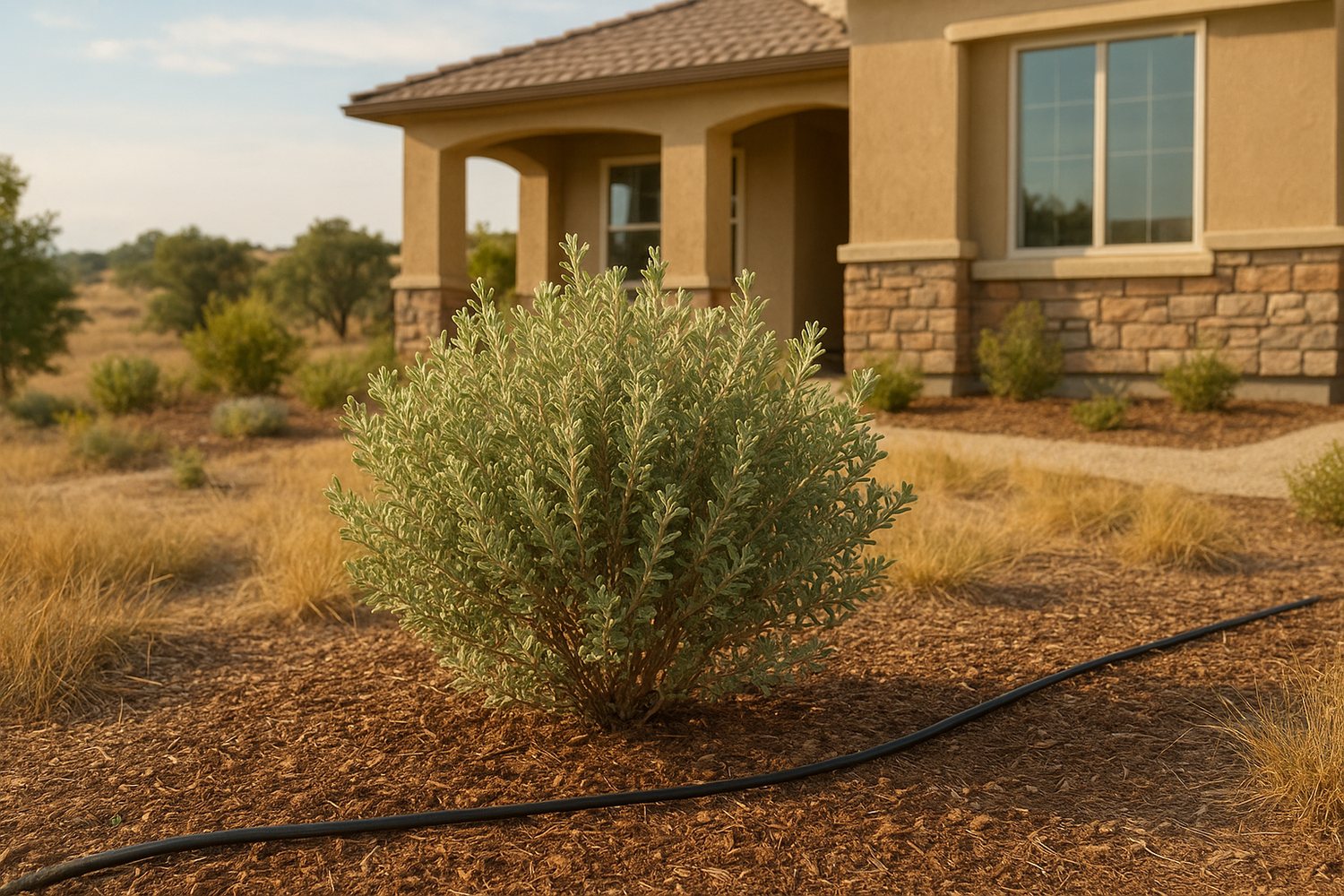
Designing Lush, Drought-Tolerant Gardens in Placer County
Learn how to create drought-tolerant gardens that look lush and inviting. Practical, region-specific advice for water-wise landscaping in and around Placer County.
With years of dry summers and strict watering restrictions, drought-tolerant landscaping is a smart choice for California homeowners. The good news? You don’t have to sacrifice a lush, inviting look to save water.
Why Drought-Tolerant Doesn’t Mean Sparse
It’s a common misconception: drought-tolerant landscapes are all rocks, gravel, and spindly plants. In our region, though, a well-designed water-wise garden can be just as lush and layered as a traditional yard. It’s all about choosing the right plants and design elements that thrive with less water.
With careful planning, textures, colors, and seasonal variety can bring depth and richness to drought-friendly gardens. Personally selected combinations—groundcovers, grasses, perennials, and select shrubs—can fill your yard with life and interest, minus the heavy irrigation needs.
When California summers turn hot and dry, a thoughtfully designed, drought-tolerant garden stands up to the climate. You’ll enjoy a landscape that looks great year-round, feels substantial, and delivers peace of mind with lower water bills.
Curious about even more options? Explore ourDrought-tolerant landscapingpage for details.
Plant Selection: Local Heroes and Proven Performers
For lush looks that last in Rocklin, Roseville, Granite Bay, Folsom, and Auburn, choose plants that are native or adapted to our unique climate. California lilac, manzanita, lavender, salvia, succulents, and ornamental grasses are solid choices that return color and texture season after season.
Look for local nurseries with experience growing regional plants—the extra knowledge matters. Ask which varieties hold up best in full sun, rocky soils, or clay. Thoughtful placement is just as important: group plants by water needs and sun exposure so nothing struggles.
Don’t overlook evergreen options. Adding some year-round structure—such as arbutus, myrtle, or evergreen sages—ensures your garden won’t fade to bare sticks every winter. Blending these in reinforces a lush, full effect even in dry months.
- California lilac (Ceanothus)
- Manzanita (Arctostaphylos)
- Lavender, rosemary, and sages
- Succulents and agaves
- Ornamental grasses (deer grass, fescues)
Smart Irrigation: Water Where It Counts
Even drought-tolerant plants need water to get established. Using efficient irrigation—like drip systems or deep-soak bubblers—lets you target roots directly and avoid waste. Consider a smart controller to adapt schedules based on weather and soil moisture.
Mulching is your next best investment. It keeps soil cooler, minimizes evaporation, and helps prevent weeds that compete for water. Go for composted bark, shredded wood, or even fine gravel: use generous coverage and renew as needed.
Audit existing sprinkler systems if you’re renovating. Many traditional lawns have awkwardly placed, inefficient heads. A professional can fine-tune these or convert them to more efficient options, helping you get the most from every drop.
- Install drip irrigation or bubblers
- Use at least 2–3 inches of mulch
- Check and adjust watering once plants are established
| Plant/Feature | Water Use | Maintenance | Seasonal Appeal | Notes |
|---|---|---|---|---|
| California Lilac | Very Low | Low | Spring flowers | Native, evergreen |
| Manzanita | Low | Low | Year-round | Sculptural branches |
| Ornamental Grass | Low | Low | Summer/Fall plumes | Good for movement |
| Flagstone Patio | None | Very Low | Year-round | Usable outdoor space |
| Dymondia | Very Low | Low | Year-round | Walkable lawn alternative |
Hardscape Elements: Structure and Style Without Thirst
Hardscape—non-plant materials like stone, concrete, pavers, or decomposed granite—brings definition and year-round structure to water-wise gardens. Carefully designed walkways, patios, retaining walls, or dry creek beds give form, flow, and function.
Materials matter: flagstone paths or permeable pavers help manage stormwater and blend beautifully with the surrounding landscape. Concrete elements can be color-treated or textured for warmth and interest, fitting into any outdoor living theme.
Granite, river rock, and boulders anchor planting beds and add natural drama. Hardscape features can help layer the garden, offering seating areas or focal points—to make your space both usable and lush-looking, without guzzling water.
- Flagstone or paver patios
- Concrete retaining walls
- Decorative boulders and dry creek beds
- Permeable pathways
Color and Texture: Layering for Lushness
A vibrant drought-tolerant garden doesn’t need to be a sea of muted greens and browns. With careful plant pairing, you can have strong color, lively foliage, and seasonal blossoms nearly every month of the year.
Mix different leaf shapes, heights, and colors for zones that feel full and interesting. Use flowering shrubs and perennials, drifts of ornamental grass, and striking succulents as accents. If your garden borders are visible from indoors, aim for clusters with visual ‘weight.’
Try repeating favorite plants in several spots to unify the design. In larger yards, use taller specimens toward the back, with lower growers or groundcovers up front to achieve that layered, multi-dimensional look.
See California Hardscapes’ full range of services by visiting theLandscapingoverview.
Lawn Alternatives: Going Green Without Grass
Traditional lawns are water-intensive, but you have appealing alternatives for green, usable spaces. Low-growing groundcovers, stepable herbs, and no-mow grass blends offer soft, walkable surfaces and lower water use.
Dymondia, creeping thyme, and Kurapia are standout options for sunny spots, thriving in local soils and with less irrigation. For play areas, consider artificial turf—today’s versions have come a long way in appearance and comfort.
You can mix these alternatives with hardscape paths or boulder groupings, creating usable spaces that feel open and lush. Less grass doesn’t mean less enjoyment, especially in our Sacramento-area climate.
- Dymondia and other resilient groundcovers
- No-mow or low-mow grass blends
- Creeping thyme for fragrant, soft green patches
- Select high-quality artificial turf for play spaces
Lighting and Finishing Touches
Good lighting makes an outdoor space come alive after dark, highlighting foliage textures, walking paths, and architectural features. Use low-voltage or LED fixtures to be energy efficient and unobtrusive.
Focus on path lights, subtle up-lighting for trees or sculpture, and soft spotlights for focal plants. The right placement adds dimensionality and shows off your lush garden’s structure, even at night.
Finish with just a few curated accents—like glazed pottery, sculptures, or birdbaths—to bring your personal style into the landscape. Extras should support the garden’s lush look and not overwhelm it.
Getting Started: Planning Your Water-wise Landscape
Start with a walk around your yard. Which areas get the most sun? Where would you like to relax or entertain? Map these zones and sketch some ideas, considering both plant and hardscape placement.
Prioritize improvements based on what really matters: water savings, beauty, and usability. If the project feels overwhelming, bring in a professional for design help or construction—especially for patios, retaining walls, or installation of drip systems.
Take inspiration from neighbors, local gardens, and nursery walk-throughs. Sooner than you think, it’s possible to have a yard that’s lush, beautiful, and water-responsible—tailored to thrive in our California climate.
Ready to talk design?Request a consultationand we’ll help create a plan that works for you.
Planning a landscaping project?
Call or text 916-741-0633, or email sales@californiahardscapes.com with your address, a short description and a few photos, and we will arrange a consultation.