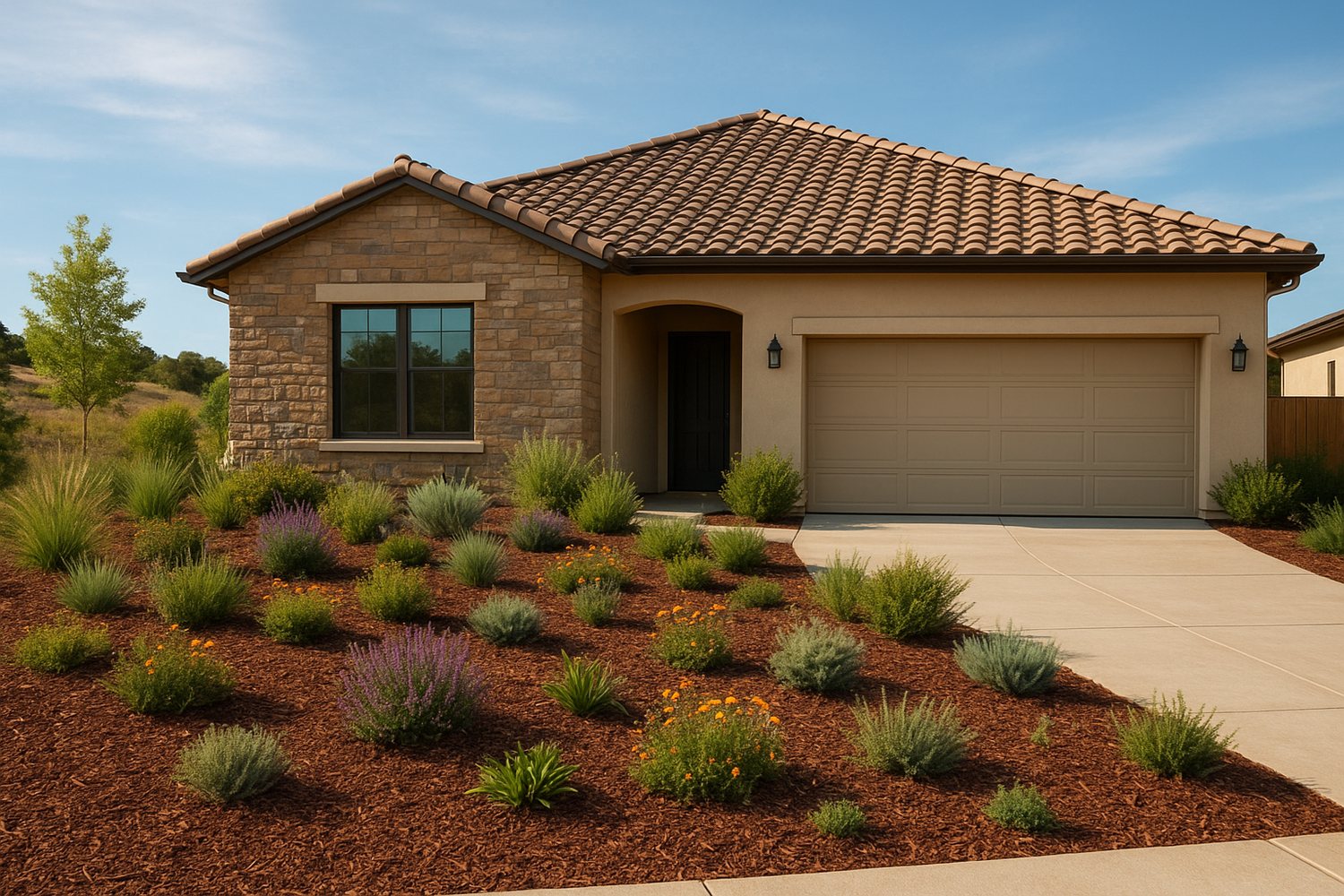
Hydrozoning & Watering for Drought-Tolerant Landscapes
Discover how hydrozoning and regionally-appropriate watering can help you make the most of drought-tolerant landscaping in the greater Rocklin area.
If you’re considering drought-tolerant landscaping, understanding how to organize plants and manage water use is key. Hydrozoning and smart watering practices can make a dramatic difference in your yard’s resilience.
Why Drought-Tolerant Landscaping Matters Here
Homeowners across Placer, Sacramento and El Dorado County know that dry summers and unpredictable rainfall require thoughtful landscaping choices. Drought-tolerant landscaping is more than a trend; it can keep your yard looking great while conserving important resources.
In areas like Rocklin, Roseville, Granite Bay, Folsom, and Auburn, traditional lawns can struggle under water restrictions. Using plants adapted to local conditions reduces maintenance needs and supports regional water-saving goals.
Making smart landscape choices not only helps your property thrive in our unique climate but can also reduce your water bill and simplify outdoor upkeep. Thoughtful design strategies are essential to achieve these benefits.
- Dry summers, limited rainfall affect plant health
- Local regulations may impact watering schedules
- Drought-tolerant options are suited to hot inland valleys
For a deeper dive on efficient plant choices and care, visit ourDrought-tolerant landscapingpage.
What is Hydrozoning? The Basics for Homeowners
Hydrozoning is a landscaping technique that groups plants according to their water needs. By organizing your landscape into zones—high, moderate, and low water use—you can water efficiently and give each area exactly what it needs.
Many homeowners mix thirsty and drought-tolerant plants together, leading to wasted water and unhappy greenery. Hydrozoning puts similar plants together so you can tailor your watering routine and avoid over- or under-watering.
Proper hydrozoning means less water runoff, healthier plants, and lower long-term maintenance. Start small by mapping areas of sun and shade in your yard, then match plant groupings to those conditions.
- Identify sun, shade, and soil moisture patterns
- Group plants with identical watering needs
- Adjust irrigation methods by zone
Choosing the Best Drought-Tolerant Plants for Our Climate
Selecting regionally adapted plants is critical for successful drought-tolerant landscaping. Focus on varieties proven to do well in the local inland valley climate—where summers are hot and winters can bring cool, damp spells.
Many California natives, such as manzanita, ceanothus, and sages, provide beauty and attract beneficial pollinators. Succulents and Mediterranean species also thrive in the greater Rocklin and surrounding areas.
Research is key: look for expert resources or nursery recommendations specifically for Placer, Sacramento, or El Dorado County. Avoid high-maintenance or thirsty plants, even if they’re labeled “drought-tolerant” in other regions.
- Use local nursery guides for plant selection
- Prioritize native, region-specific varieties
- Mix textures with grasses, shrubs, and perennials
| Hydrozone Type | Typical Plants | Watering Needs | Best Irrigation | Comments |
|---|---|---|---|---|
| High Water | Lawns, ferns, hydrangeas | Frequent, shallow | Spray or drip | Use sparingly near main entrances |
| Moderate Water | Roses, daylilies, agapanthus | Weekly, deep | Drip | Buffer these zones with paths |
| Low Water | Manzanita, ceanothus, lavender | Biweekly or less | Low-flow drip | Ideal for open, sunny areas |
| Very Low Water | Cacti, succulents, sages | Monthly or after rain | Minimal or hand-water | Great for slopes and far corners |
Watering Strategies: Smart Ways to Nurture Drought-Tolerant Plants
Watering drought-tolerant plants still requires a plan, especially during establishment. Irrigation should match each zone: drip systems often work best, delivering moisture right to the roots while limiting evaporation.
Early mornings and late evenings are the optimal times to water, preventing water loss and minimizing disease risks. During the first one to two years after planting, even drought-tolerant varieties need consistent but moderate watering.
After plants are mature, gradually reduce watering frequency—never abruptly cut off water, as this can stress even hardy selections. Always adjust based on season, recent rainfall, and how your specific soil holds moisture.
- Favor drip irrigation for efficiency
- Test soil before watering to avoid overwatering
- Mulch helps retain soil moisture and reduce weeds
Design Tips: How to Hydrozone Effectively
Begin your landscape design by mapping zones of high, moderate, and low water use. Place thirstiest plants near the house or walkways where they are most visible and easier to irrigate.
Use hardscape features—patios, paths, boulders—as transitions between hydrozones. This separation helps keep water where it’s needed most, keeping your design functional and attractive.
Don’t overlook the impact of sun, wind, and slope. Sunny, sloped areas often make good low-water zones, while sheltered spaces can support moderate water-use plants. Design for both function and aesthetics, letting hydrozoning guide your choices.
- Map sunny and shaded sites before planting
- Buffer different zones with paving or mulch
- Consider root depth and plant spacing
Explore the possibilities for your yard with our fullLandscapingoverview.
Common Mistakes and How to Avoid Them
A frequent misstep is placing water-loving plants among drought-tolerant species, forcing you to overwater the latter. Stick to your hydrozones and match irrigation systems accordingly for best results.
Skipping soil amendments or neglecting mulch can undermine water retention. Mulching not only conserves soil moisture but also suppresses weeds, which compete for precious water.
Another pitfall: forgetting to adjust watering with the seasons. Landscapes need less water during cooler months and could benefit from deep, less frequent soaks in summer. Regularly observe your landscape and adapt as needed.
- Avoid mixing high and low water plants
- Regularly check for irrigation leaks
- Mulch beds every year, especially before summer
Regional Considerations for Placer, Sacramento, and El Dorado Counties
Our area’s unique soil types, microclimates, and elevation changes call for careful selection of plants and irrigation schedules. What works in coastal California often won’t hold up through inland valley summers.
Take time to observe your site’s full sun and shade patterns across the seasons. In foothill communities like Auburn and Folsom, hillside slopes can drain quickly—or hold water after rain. Plan your hydrozones with these factors in mind.
Partner with suppliers and contractors who understand the region. Look for drought-tolerant species with proven performance in the communities you call home, and always ask about soil preparation and proper irrigation setup.
- Clay soils may require different water cycles
- Valley and foothill microclimates vary widely
- Account for both summer drought and occasional winter storms
Getting Started: Planning with Confidence
Evaluate your current landscape and be honest about water use, plant health, and how much time you want to spend on maintenance. Planning is easier if you walk your yard with a notebook, jotting down areas that never perform well under current conditions.
If you’re not sure where to begin, consider consulting with a local expert who can help you map out hydrozones and recommend plants suited for the Rocklin area and neighboring communities.
Remember that every landscape is unique. With careful hydrozoning, local plant choices, and a smart watering strategy, you’ll create a beautiful outdoor space that can withstand California droughts—while providing long-term value and beauty.
- Assess sunlight, shade, and existing plants
- Prioritize changes with the biggest impact
- Don’t be afraid to start small and adjust
Ready to talk about transforming your landscape?Request a California Hardscapes consultation.
Planning a landscaping project?
Call or text 916-741-0633, or email sales@californiahardscapes.com with your address, a short description and a few photos, and we will arrange a consultation.