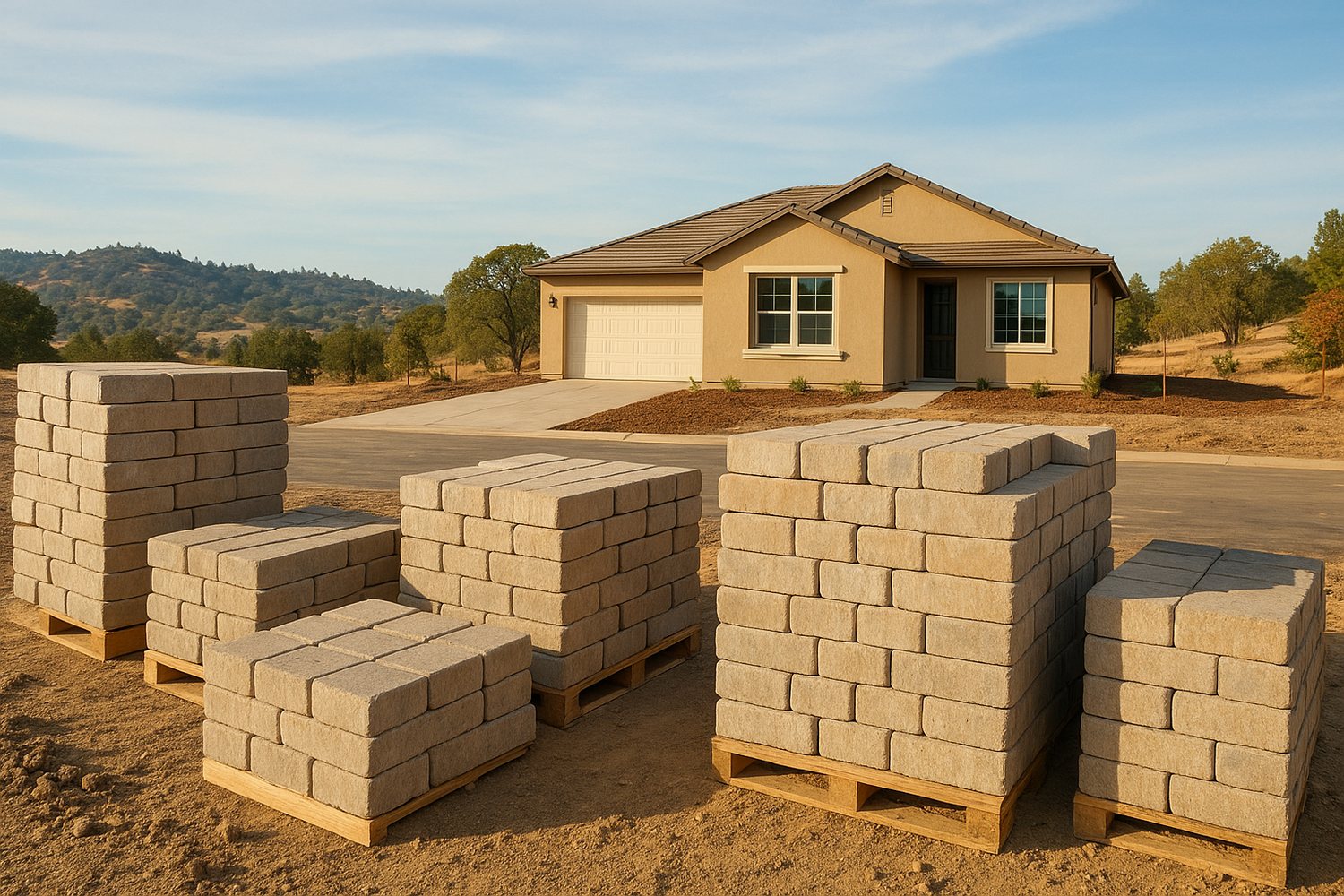
Pavers & Wall Block Guide: Matching Materials for Cohesive Design
Learn how to choose and match hardscape materials for patios, drives, walls, and more. California Hardscapes makes cohesive outdoor design choices simpler.
Choosing the right pavers and wall blocks is about more than durability—it’s about bringing your outdoor space together as one cohesive design.
Why Material Matching Matters in Hardscapes
When you select pavers, wall blocks, and caps for your outdoor project, your choices shape the whole look and feel of your space. Even with the highest-quality products, mismatched materials can disrupt flow and make maintenance harder. Thoughtful pairing, on the other hand, brings unity and visual calm.
In our region, outdoor materials face harsh sun, winter rains, and wide temperature swings. Quality is important, but the way you match textures and colors is just as critical to lasting style. Well-chosen combinations age together gracefully and avoid looking dated a decade down the line.
Functional concerns matter too: blended colors can mask dust between cleanings, and similar surface finishes keep patios and wall tops safe and comfortable. Matching isn’t just for curb appeal—it helps your outdoor investment work for the long haul.
- Unifies landscape and hardscape design
- Aids in long-term maintenance
- Boosts resale value
You can dive deeper with our completePavers and wall block guide.
Understanding Paver Types for California Homes
Concrete pavers are the most versatile and affordable option, available in many colors, sizes, and finishes that work with Northern California landscapes. Stone pavers—natural or faux—offer beauty and durability but sometimes with higher cost and more variation in each piece. Clay brick pavers bring timeless appeal and are less common but well-suited to classic architecture.
Each type of paver has its own strengths. Concrete allows mixing and matching of textures to suit contemporary or rustic looks. Stone fits seamlessly into foothill and woodland lots. Brick can pick up tones from older homes and regional historic styles. Understanding your home’s architecture helps guide which paver type to start with.
Matching your paver choice with your wall block and cap selections comes next. Local trends favor blendable neutral tones, sandy earths, and subtle mixed hues that reflect the natural landscape. Think about how the pavers’ texture and finish coordinate with the other materials you’ll use.
- Concrete pavers suit most modern homes
- Natural stone works well in rustic, woodland settings
- Brick pavers are good for traditional styles
Wall Block Choices: Building Structure and Style
Wall blocks serve both structural and decorative roles, so their selection is key for matching with pavers and caps. In our area, modular concrete wall systems are most popular for retaining walls, seat walls, and raised planters—offering plenty of textures and palettes.
Traditional split-face blocks add rugged appeal, while smooth-faced blocks give a contemporary edge. For natural stone or masonry looks, segmental wall blocks emulate quarried rock in consistent sizes, making installation and matching easier. It’s practical to choose wall block styles that share base colors or surface finishes with your paver selection.
Some wall block systems offer coordinating units for caps and steps, streamlining the design process. Let function lead: walls supporting slopes or creating terraces need technical strength, but don’t ignore how the block texture will look next to your pavers and landscape plants.
- Split-face for classic, rugged surfaces
- Smooth block for modern homes
- Segmental units for natural stone appeal
| Material Type | Common Colors | Best Fit Finish | Usual Uses | Notes |
|---|---|---|---|---|
| Concrete Paver | Grays, tans, blends | Smooth or lightly textured | Patios, walks, drives | Most versatile and affordable |
| Natural Stone | Earth tones, slate, buff | Honed or split-face | Paths, walls, accents | Longest lasting, highest variation |
| Brick | Red, brown, charcoal | Rough or tumbled | Historic or classic patios | Most at home with traditional styles |
| Wall Block | Taupe, beige, gray blends | Split, chiseled, or smooth | Retaining and seat walls | Available with matching caps |
| Caps | Light, dark, or matching wall | Flat, bullnose, chiseled | Walls, steps, columns | Protects and finishes edges |
Caps: The Finishing Touch for Walls and Steps
Caps are often overlooked but play a crucial role visually and functionally. They protect wall tops and steps, keep water out of block joints, and provide a crisp finishing line. Matching or intentionally contrasting the cap color and profile ties your whole hardscape together—a subtle but powerful effect.
Available in flat, bullnose, or chiseled profiles, capstone selections should echo your wall block’s tone but can be a shade lighter or darker to add depth. For patios, choosing the right cap finish makes seat walls more comfortable and gives a premium, cohesive appearance.
Local suppliers stock capstones designed specifically for common wall block brands, making it easier to find the right fit and finish. Don’t forget end details—returns and corners matter as much as runs along straight walls for that truly custom look.
- Flat caps for modern designs
- Chiseled or bullnose for classic styles
- Capstones available in multiple thicknesses
Color Coordination: Tips for Lasting Harmony
Choosing the right color blend is essential in Northern California, where outdoor living seasons are long and color trends shift gradually. Start by pulling hues from your home’s exterior—roof, trim, siding—or dominant features like pool tile or garden boulders. This anchors your hardscape visually.
Aim for neighboring materials in a similar color family. For example, taupe pavers can blend with tan wall blocks and creamy capstones; slate gray pavers pair with charcoal accents and light gray caps. Avoid making everything uniform—some contrast adds interest without clashing.
Natural light in Rocklin, Roseville, and neighboring towns often shifts colors warmer or cooler through the day. View samples in place at different times to catch this. Look for pavers and block blends that hide dust and efflorescence, keeping maintenance easier over time.
- Test sample colors at home under real light
- Pull main color from home trim or roof
- Blend, but don’t match, every material
See all your material choices on ourMaterials options overview.
Texture and Finish: Balancing Slip Resistance and Comfort
The surface finish of your pavers impacts both style and how it feels underfoot. For patios and pool decks, a light texture adds slip resistance without being harsh barefoot. Walls look best with finishes that complement both your paver and capstone choice—split-face for a rustic pairing, smooth for a modern vibe.
Think comfort, too: seat walls benefit from smooth or bullnose caps, especially for families that enjoy outdoor gatherings. Consistent finish across pavers and caps creates design unity and helps with cleaning and upkeep.
Our area’s mix of shade and sun amplifies surface variations—rough, deeply textured finishes may weather differently while smooth surfaces can get slippery when wet. Factor in local weather and traffic before making your final selections.
- Textured pavers for safety on walks and drives
- Smooth caps for comfort and easy cleaning
- Match textures across connected spaces
Real-World Matching Strategies from California Hardscapes
Start with the paving area—pick pavers that set your palette, then move to wall block and cap options that harmonize without being identical. Samples are your friend: bring home more than one, arrange and rearrange them at different times of day, and check how they look from both up close and far away.
Practical planning can save later headaches. Choose materials designed to work together or from the same manufacturer if possible—this streamlines color, texture, and size compatibility across all features. Focus on what’s readily available locally to avoid delays.
At California Hardscapes, we’ve found that asking the right questions—about use, style, comfort, and upkeep—leads to design choices clients stay happy with for years. Rather than chasing trends, prioritize what works for your property’s shape, exposures, and your own routines.
- Begin material selection with pavers, work outward
- Use samples in actual conditions before buying
- Consider maintenance and long-term aging
Next Steps: Material Selection Made Simple
Matching pavers, wall blocks, and caps for your Rocklin or Placer County home doesn’t have to be overwhelming. Start with a plan, ask for expert input, and trust your eye—blending colors, finishes, and profiles brings out the best in every space.
Bring photos or lists of neighboring finishes and colors when you visit material suppliers. Be honest about family routines, pets, and use patterns—these all affect what works best. Favor local, quality brands that offer coordinated options whenever possible.
When you’re ready, a consultation with a professional can help fine-tune your ideas. Licensed, experienced teams like California Hardscapes can help narrow choices, recommend proven materials for local conditions, and ensure a premium, seamless finish.
Ready for expert advice?Request a consultationwith California Hardscapes.
Planning a materials project?
Call or text 916-741-0633, or email sales@californiahardscapes.com with your address, a short description and a few photos, and we will arrange a consultation.