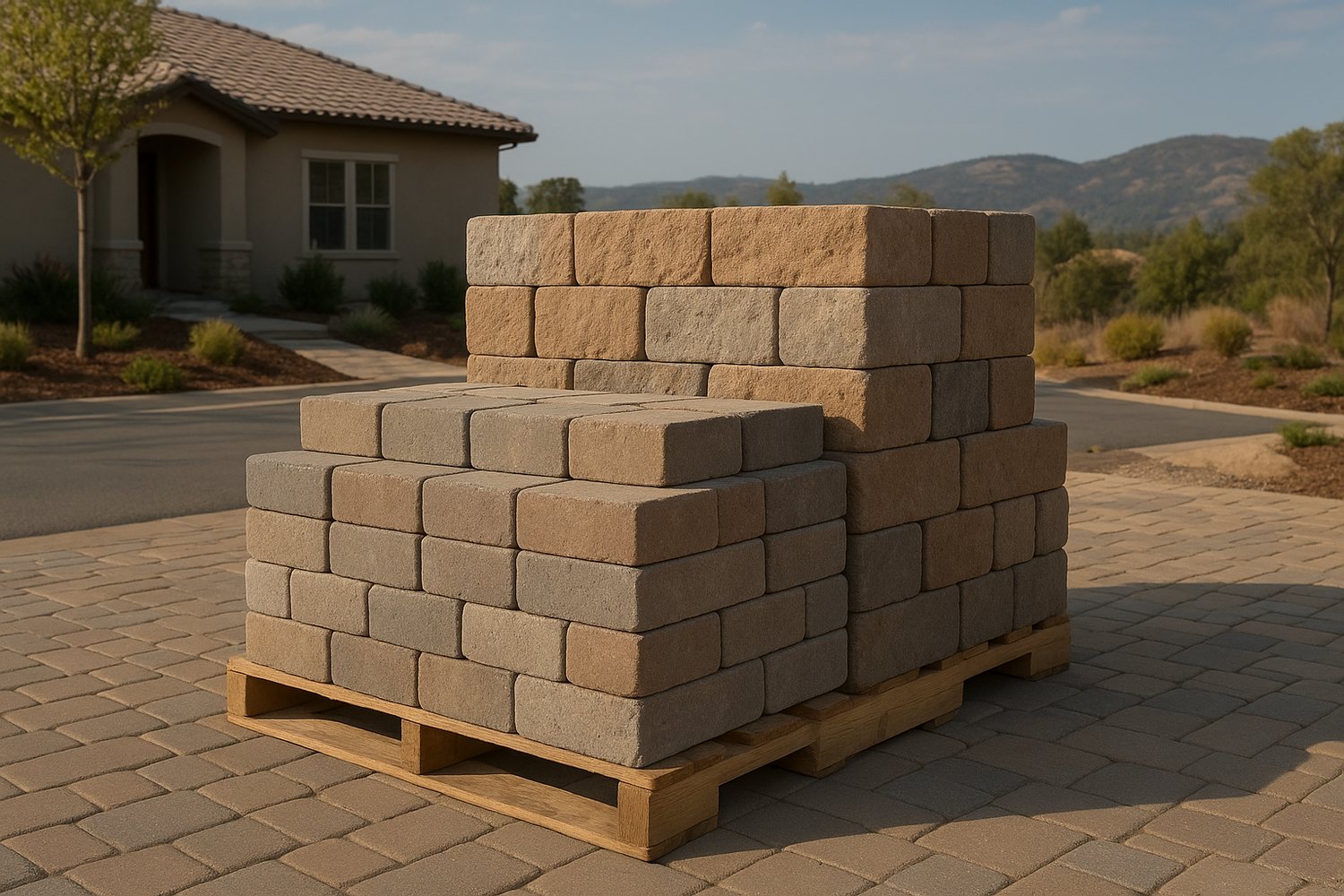
Paver Thickness for Patios vs Driveways: A Homeowner’s Guide
Homeowners in Placer and Sacramento County: get practical guidance on paver and wall block thickness for patios compared to driveways.
Not all pavers are created equal, especially when considering patios versus driveways. Selecting the correct thickness is essential for performance and longevity in our region.
Why Paver Thickness Matters
When planning a new patio or driveway, thickness isn’t just a technical detail—it’s central to the success and durability of your project. Pavers that are too thin can crack or shift over time, especially when subjected to heavy loads. On the other hand, overly thick pavers may not be cost-effective or necessary for every application.
For patios, the load demands are generally lighter. These surfaces host foot traffic, furniture, and the occasional grill. Driveways, however, must withstand the regular pressure of vehicles—which is a different league altogether.
In the foothill communities around Rocklin, Roseville, and Granite Bay, freeze-thaw cycles and varying subsoils add another layer of consideration. The right thickness directly impacts how well your patio or driveway weathers the local climate and patterns of use.
Key takeaways:
For more technical details and step-by-step advice, visit our mainPavers and wall block guidepage.
Common Materials and Their Strengths
Concrete, natural stone, and manufactured pavers each offer unique strengths. Concrete pavers are engineered for reliability and come in a vast range of colors and textures. They’re often specified for both patios and driveways due to their uniform thickness and strength ratings.
Natural stone, popular for its organic beauty, yields thicker pieces but can be more challenging to source in consistent sizes and strengths. Manufactured wall block complements pavers in retaining or decorative walls and must be matched to project demands.
No matter the material, always consider the regional factors that affect paver integrity: summer heat, winter cold snaps, and the occasional downpour. These all influence your long-term satisfaction as a homeowner in the greater Sacramento area.
Material options overview:
Patio Paver Thickness: What Works
For residential patios, the typical standard is a paver thickness of 2 to 2.5 inches. This thickness is well-suited for outdoor seating areas, pathways, and spaces with only foot traffic and lightweight furniture. It provides enough strength for decades of enjoyment under normal residential use.
Patio pavers must be installed on a properly prepared base to prevent settling or heaving. In our local area, compacted road base or crushed stone topped with bedding sand is standard practice, topped with the chosen paver. This setup handles the weather swings we see in Placer and El Dorado counties.
Going thicker than 2.5 inches for patios is rarely necessary, unless you have special requirements like supporting a spa or heavy fire pit. This means most homeowners can focus on design and material, knowing performance is taken care of.
Patio paver key points:
| Surface | Recommended Thickness | Typical Use | Base Depth | Key Concern |
|---|---|---|---|---|
| Patio | 2–2.5 in | Foot traffic, furniture | 4 in | Comfort & longevity |
| Driveway | 3+ in | Cars, light trucks | 6–8 in | Support & load |
| Walkway | 2–2.5 in | Light foot traffic | 4 in | Safety & appearance |
| Retaining Wall Base | Varies | Block walls | 6+ in | Soil retention |
| Raised Planter | 2–3 in | Decorative, low walls | 4–6 in | Drainage |
Driveway Paver Thickness: Built for Load
Driveways require a heavier-duty approach. For driveways used by personal vehicles, a 3-inch paver is the industry minimum. This extra thickness resists the concentrated loads of car tires and the stresses from turning or parking.
Preparing a driveway for paver installation also means deeper excavation and a stronger aggregate base. Here in Rocklin and Folsom, local clay or expansive soils can further drive the need for additional base stabilization to counteract movement and moisture changes.
Using patio-grade, thinner pavers in a driveway may lead to costly failures—cracking, shifting, and even safety hazards. Choosing driveway-rated thickness from the outset saves on repairs and ensures your outdoor space lasts.
Driveway paver notes:
Comparing Base Preparation Techniques
The base beneath your pavers plays as critical a role as the paver thickness itself. Patios require less base depth, typically 4 inches of compacted road base topped with 1 inch of bedding sand. That’s plenty to support foot traffic and occasional loads.
Driveways, thanks to vehicles, call for more. A driveway might need 6 to 8 inches or more of compacted aggregate for stability, plus the sand layer. Areas with poorly draining soils or slopes require added attention to drainage and compaction so your investment stays put.
Working with an experienced contractor makes a difference. Local soils can be tricky—some sections of Granite Bay, for example, have different needs than those in Auburn. A solid base combined with the right paver thickness is the key to performance and value.
Base prep tips:
If you’re still weighing your options, browse ourMaterials overviewpage for a full list of what’s available.
Integrating Wall Block into Your Project
Wall block is a natural addition to patios and driveways, defining spaces, supporting changes in grade, and creating raised planters or seating. Like pavers, blocks come in a variety of sizes and strengths, matched to the wall’s purpose and load demands.
Low, decorative walls for patios can use smaller, lighter blocks set on compacted base. For retaining walls that hold back soil—common in the hills around Auburn or Folsom—larger engineered blocks with interlocking systems are recommended.
The right wall block complements your hardscape’s style and ensures structural integrity in California’s shifting soils. Coordination with your paver thickness and base prep results in a cohesive, long-lasting installation.
Wall block guidelines:
What to Ask Before Deciding
Before you choose materials and thickness, have a checklist prepared. What will your patio or driveway support—just guests, or vehicles? Is drainage an issue on your property? Are there nearby trees or slopes that will affect soil movement?
Discussing these questions with a professional helps reveal the best options for your setting. Local insight is especially valuable. Experience with Rocklin and Roseville’s soils, for example, can head off problems that only show up years down the line.
Finally, consider maintenance and future needs. Thicker pavers and proper bases may have a higher upfront cost, but they prevent headaches and repairs later on—making your investment go further in our demanding local conditions.
Decision checklist:
Next Steps for Your Project
If you’re considering a new patio, driveway, or wall, take time to research material choices and preparation methods. Opting for the right paver thickness and base saves trouble—and adds years to the life of your investment.
Consulting an experienced hardscape professional who understands our local conditions gives your project the best chance at lasting beauty and function. Regional experience matters when it comes to tough soils and climate swings.
For a closer look at paver and wall block options, or to discuss your outdoor project ideas, California Hardscapes is ready to help. Reach out to start making informed decisions for your home.
Project planning tips:
Ready to discuss your project? Reach out now torequest a consultationwith our team.
Planning a materials project?
Call or text 916-741-0633, or email sales@californiahardscapes.com with your address, a short description and a few photos, and we will arrange a consultation.