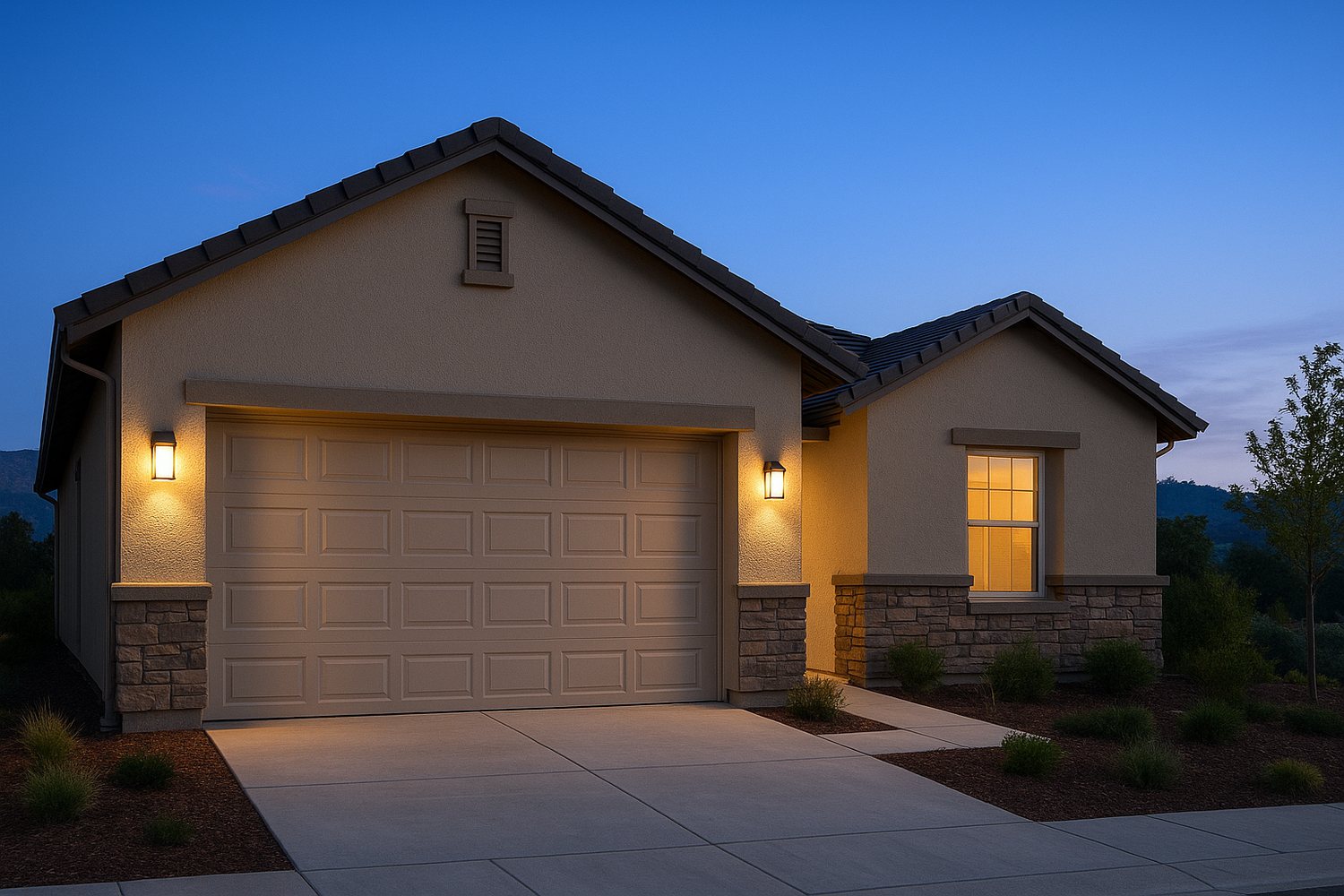
Comparing Motion Sensors, Timers, and Photocells for Security Lighting
A practical comparison of motion sensors, timers, and photocells for outdoor security lighting. Find the best solution for your property’s safety needs.
Outdoor security lighting is a key feature for many Placer, Sacramento, and El Dorado County homes. Choosing between motion sensors, timers, and photocells can make a real difference in safety, convenience, and energy use.
Why Security Lighting Matters Locally
Outdoor security lighting does more than highlight your landscaping; it protects your property and deters unwanted visitors. In areas like Rocklin, Roseville, Granite Bay, Folsom, and Auburn, effective lighting can reduce risks of theft and vandalism. It also boosts curb appeal after sunset.
California’s dry summers and occasional power outages make reliable lighting especially relevant. Well-planned security lighting adds peace of mind and can help you navigate safely across patios and driveways on dark nights, especially with the landscape layouts common throughout the region.
Whether you’ve just finished an outdoor remodel or are looking for a simple upgrade, your choice of control—motion sensors, timers, or photocells—will determine how your lights function night after night. Understanding the differences in performance and upkeep will help you invest wisely.
- Enhances safety for family and guests
- Discourages criminal activity
- Improves outdoor usability after dark
Read more about your options forSecurity and motion lightingon our site.
What Are Motion Sensors?
Motion sensors activate lights only when movement is detected in their coverage area. This can sharply reduce energy use, since lights are only on when needed. In a typical Rocklin or Roseville backyard, motion-activated lights work well along walkways, entrances, and garages.
Most motion fixtures use infrared or microwave technology to detect movement within a set range. Local wildlife—think rabbits, raccoons, or even neighborhood pets—can sometimes trigger the lights. Choose devices with adjustable sensitivity to minimize nuisance activations.
In practice, motion sensors are most effective for people who want automatic security deterrents without the lights staying on all night. Position them to avoid constant traffic from streets or busy play areas for best results.
- Great for paths, driveways, and side yards
- Reduce energy waste
- Best with adjustable range and sensitivity
Using Timers for Reliable Scheduling
Timer-based outdoor lighting turns on and off at set times each day. Timers are valued in established neighborhoods like Granite Bay and Folsom, where homeowners may wish for consistency—lights on at dusk, off at midnight, regardless of activity.
You can find mechanical timers that plug into outlets, or integrated electronic timers built into the light itself. The main benefit here is predictable coverage, especially during travel or vacations. Set-and-forget programming suits busy families who want routine security.
Timers require seasonal adjustments, since daylight hours change throughout the year in Northern California. If your property isn’t in a heavily shaded area, pairing a timer with a photocell may add extra flexibility for transitions between seasons.
- Guarantees schedule for lighting
- Ideal near patios and front entrances
- May need to adjust with seasonal time changes
| Feature | Motion Sensors | Timers | Photocells |
|---|---|---|---|
| Activation | Movement | Pre-set time | Level of daylight |
| Energy Use | Low (lights on only when needed) | Moderate to high (based on schedule) | Varies with night duration |
| Maintenance | Adjust sensitivity as needed | Adjust for daylight changes | Ensure sensor is exposed to daylight |
| Best For | Walkways, side yards | Entrances, patios | Driveways, open landscapes |
| Main Benefit | Automatic security | Consistent schedule | Hands-off convenience |
Photocells and Dusk-to-Dawn Convenience
Photocells automatically turn lights on when darkness falls and off at daylight. These sensors are often called dusk-to-dawn controls and are growing more popular in Auburn and across Placer County for their low-maintenance appeal.
Unlike timers, photocells sense ambient light and handle seasonal variations on their own. Well-placed photocells keep paths and driveways bright during overcast evenings or early sunsets—no programming required. They offer convenience to property owners who don’t want to fiddle with controls.
The main thing to watch with photocells is placement: avoid shaded or covered spots where daylight doesn’t reach, as that could keep the lights on all day. Otherwise, a reliable photocell fixture can deliver hands-off peace of mind.
- Turns on/off with actual daylight
- Perfect for open driveways and landscapes
- Minimal manual maintenance
Comparing the Three Options
Each lighting control method—motion sensor, timer, and photocell—offers distinct advantages depending on your property’s needs and personal preferences. Thinking about your daily routine, typical sunset times, and risk factors in your neighborhood can clarify which is best for you.
Busy Rocklin families or frequent travelers might appreciate the predictability of timers or the all-weather reliability of photocells, while homeowners with dark side yards could benefit most from motion sensors. It’s possible to mix and match technologies in different zones for complete coverage.
Consider the type of guests, pets, and foot traffic you regularly see. Also weigh local wildlife, neighborhood density, and how much manual intervention you want, especially for seasonal transitions. Each solution serves a purpose and can be tailored or combined for a custom fit.
See how these compare with all ourOutdoor Lightingsolutions.
What to Consider Before Installing
Start by assessing which areas of your outdoor space are most vulnerable or most used after dark. Walk the perimeter at night; note traffic patterns, dark zones, and potential safety hazards like steps or pooled water on concrete surfaces.
Factor in trees, fences, and building orientations—these can interfere with sensors or block ambient light, influencing placement and selection. Northern California landscapes can vary greatly, so it pays to examine sunlight patterns and surrounding shade at different times of year.
Electrical access, fixture height, and existing landscaping should also guide your planning. Discuss options with a licensed contractor who understands regional variables like drought-conscious gardens, frequent utility repairs, or how concrete and patios interact with lighting elements.
- Map high-priority and high-traffic areas
- Plan around trees, walls, and slopes
- Verify fixture compatibility and power access
Integrating with Custom Outdoor Projects
If you’re building new patios, landscaping, pools or retaining walls, consider your long-term lighting needs while still in the design phase. It’s more efficient and less disruptive to include wiring and fixture placement in the initial planning.
Outdoor lighting should complement the materials and structures in your space, including concrete flatwork, planters, and hardscapes found in many Rocklin-area properties. Lighting placement can affect the ambiance and functionality of your outdoor living areas.
Coordinate with your contractors for fixture styles, power needs, and automation preferences. Making these decisions early leads to cleaner installation, consistent performance, and a better-finished look tailored for your home and lifestyle.
- Address lighting early in the design process
- Choose fixtures that match your materials
- Discuss automation preferences and access
Next Steps: Building a Safer, Brighter Space
Every property in our area is different, but great outdoor security lighting is always possible with informed choices. Whether you lean toward motion sensors, timers, photocells, or a blend, thinking practically about your needs ensures lasting satisfaction.
If you’d like experienced input or want to explore lighting in the context of larger outdoor renovations, reach out to a team with decades in local outdoor construction and landscape design. Licensed, bonded, and insured contractors are key to a safe and successful upgrade.
A tailored security and lighting plan can help you protect your home, highlight your investment, and enjoy your outdoor living area after dark—with far less hassle season after season.
Request a tailored plan—schedule a consultationwith California Hardscapes today.
Planning an outdoor lighting project?
Call or text 916-741-0633, or email sales@californiahardscapes.com with your address, a short description and a few photos, and we will arrange a consultation.