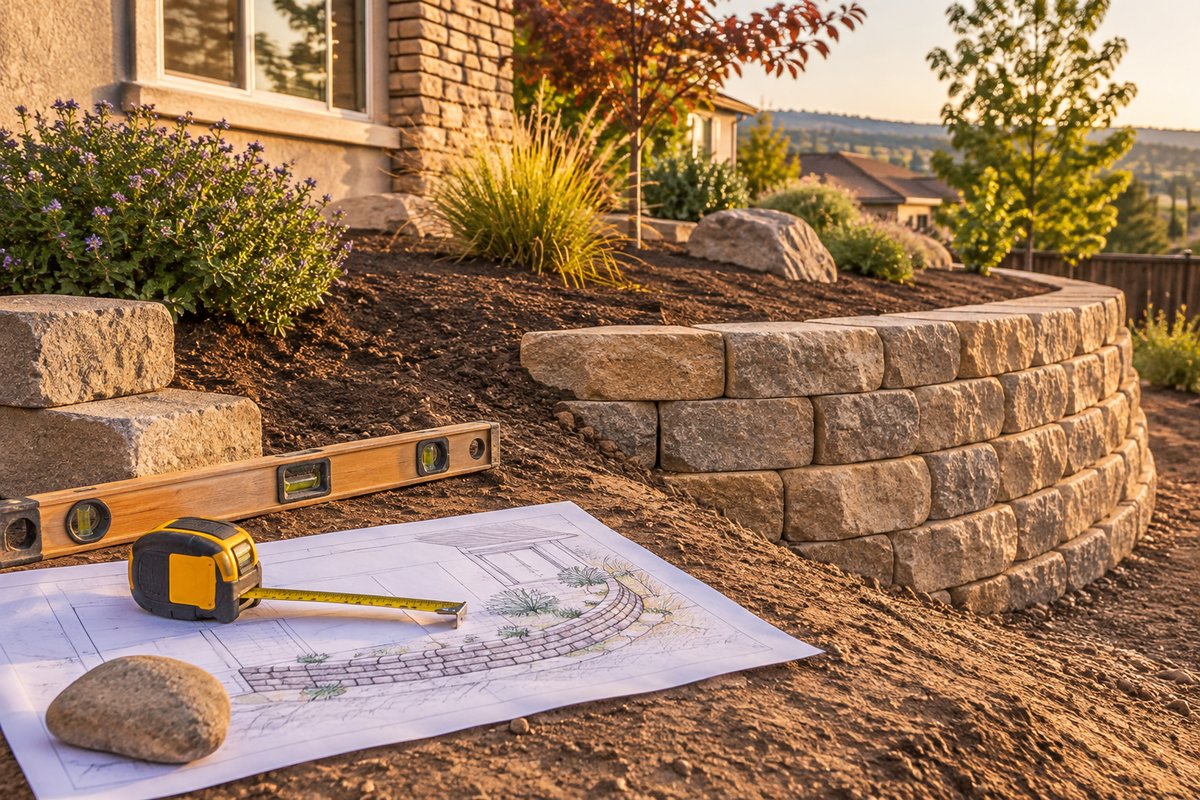
A Homeowner’s Guide to Planning Retaining Walls in Rancho Cordova
Get local, plain-spoken advice on planning a retaining wall in Rancho Cordova—permitting, utility checks, HOA applications, soils, drainage, and contractor-built solutions for slopes, gardens, and driveways.
Why Planning Matters for Retaining Walls in Rancho Cordova
Building a retaining wall is never just about stacking up blocks. For homeowners in Rancho Cordova, thoughtful planning is essential: every property comes with its own set of challenges, from sloped lots to active Homeowners’ Associations (HOAs) and local regulations. The right approach ensures your investment is sound—not only structurally, but also in meeting all neighborhood and city rules.
Retaining walls serve crucial functions. They stabilize slopes, prevent soil erosion, carve out space for gardens or driveways, and most importantly, protect your property from water damage. Whether it’s a block retaining wall facing the street or a garden terrace, understanding the local context gives every project the best start.
This guide covers Rancho Cordova-specific steps: what to check before you dig, who to contact for utility marking, how to account for the region’s sun and storms, and how to work with local contractors like California Hardscapes, where every project is built by licensed, bonded, and insured professionals.
Permitting, HOA Approval, and Working with Local Rules
Rancho Cordova has its own permitting requirements, and so do many local HOAs. Before design or construction starts, homeowners should check with the city building office and their HOA’s architectural review board. Rules can cover height limits, wall materials, and drainage details—especially for street-facing or elevated structures.
Don’t assume all walls are regulated the same. For example, a short raised planter wall in your backyard may not need the same level of scrutiny as a tall, engineered wall along a sloped driveway. If electrical work or lighting is planned, be sure to coordinate with the utility provider for safe service. The SMUD Start, Stop or Transfer Service portal is where you arrange electrical service changes or additions related to your site project.
Because rules can change and may depend on your specific property, always confirm the latest details before moving forward. While contractors can offer guidance, the responsibility for submitting documents to the city or HOA ultimately rests with the homeowner. Get everything in writing to avoid delays as your project progresses.
Calling 811 Before You Dig: A Non-Negotiable Step
Safety is number one on any outdoor project, especially where digging is involved. Call 811 before starting—this “Call Before You Dig” system is required by law. Utility lines, irrigation pipes, or gas mains may run just below the surface, even in areas you think are clear.
Once you call, local utilities will come out and mark lines on your property, typically within a few business days. These markings protect contractors, homeowners, and the infrastructure serving your home. Not only does this reduce the risk of accidents, it also keeps your project on track and legal.
This step isn’t just technicality—hitting an unmarked line can endanger lives and result in large repairs and fines. Reputable retaining wall contractors never skip this measure, whether installing a simple boulder retaining wall or complex multi-wall terraces. Make this call well before work is scheduled to avoid last-minute surprises.
Understanding Local Soils: Clay, Granite, and More
Rancho Cordova sits on soils ranging from dense clays to decomposed granite. Each soil type affects the design and construction methods for retaining walls. Clay soils hold water and expand when wet, adding pressure behind walls—critical to plan for in foundation depth and drainage. Granite areas may drain quickly but can be hard to excavate and require specialized techniques for proper compaction.
Discussing your property’s soil with a contractor experienced in local conditions is one of the most important early steps. Solutions like poured concrete retaining walls offer strength on uneven or shifting ground, while stacked stone retaining wall options can add natural character and allow for minor slope adjustments.
Proper site assessment also influences drainage planning. By matching wall type to soil—a gabion wall in loose, well-drained spots, for example—you’ll prevent structural problems down the line and get a wall that’s built with pride and finished with excellence.
Slope, Drainage, and Terraced Retaining Walls
Every lot in Rancho Cordova handles water differently, especially those on a hill or with slopes facing neighboring properties or the street. Proper engineering and wall design are key to preventing future problems like erosion, pooling water, and even wall failure. When planning a retaining wall, site grading and drainage are never afterthoughts—they’re at the core of every expert build.
Terraced walls, or multiple low walls stepped up a slope, spread out the load and look visually appealing. These designs work especially well for yards with significant grade changes, allowing for planting beds, improved access, or level patios. Features like French drains, weep holes, and granular backfill improve drainage behind any wall type.
If your wall needs to bear extra weight—like for a driveway or holding up a front yard—specialized engineering may be required. For major builds, or walls over certain heights, check with your city permitting office or review engineered retaining wall options to stay compliant and safe.
Planning for Rancho Cordova’s Summer Heat and Winter Rain
Local weather has a real impact on project planning and material choice. Summers in Rancho Cordova regularly reach above 100°F, which can affect both construction schedules and how certain materials cure or set. Harsh sun can also fade or crack low-quality materials, particularly on walls with southern or western exposure.
On the flip side, winter brings intense rainfall that tests the performance of any retaining wall and its drainage system. Site conditions in December can delay work due to muddy ground, and saturated soils put extra pressure on newly built or existing walls.
Keeping an eye on the NWS Sacramento Forecast helps you time work for the best weather windows. Contractors may recommend different construction methods or materials, like block or stone veneer, depending on exposure. With careful planning, your wall can stand up to Rancho Cordova’s climate year after year.
Selecting the Right Wall Type for Your Project
Choosing the right retaining wall isn’t just a matter of style. Local slopes, soil conditions, intended use, and neighborhood guidelines all play a role. Segmental block retaining walls are well-suited for structured terraces and larger property edges, while boulder walls can provide a dramatic, natural look for informal landscapes.
Gabion walls—metal cages filled with rocks (gabion walls)—excel in drainage-prone zones and lend a contemporary feel. For front yards or visible driveway edges, many homeowners opt for the durability and clean lines of a driveway retaining wall. If your project involves significant height or needs to meet engineering requirements, ask about engineered retaining wall builds that stand up to the strictest codes and loads.
Discuss all options with your contractor early on. The right choice will depend on more than looks—each wall type brings its own strengths in Rancho Cordova’s soils and microclimates. There are solutions for every backyard, garden, or dramatic slope.
Timing Your Project for Best Results
The best time to start a retaining wall project in Rancho Cordova is typically during the milder months—avoiding the summer heat’s extremes and rainy winter stretches. Predictable weather gives contractors more working days, and it helps concrete and stone cure properly.
Keep in mind that HOA approval, permitting, and utility marking can all take time—sometimes weeks. Factor these steps into your plans well before you’d like to break ground. Review the local weather patterns using the NWS Sacramento Forecast for insights on project timing and likely work windows.
Advanced planning also helps with scheduling specialized services, utility service changes through the SMUD Start, Stop or Transfer Service portal, and allowing enough time for quality craftsmanship. It’s better to build right the first time than to rush and cut corners.
FAQ: Rancho Cordova Retaining Wall Projects
How do I know if my wall needs engineering or a permit?
Maximum wall heights, proximity to structures, and slope conditions often require city engineering review. Always confirm with your local city office or HOA before starting any construction; requirements depend on your exact site and wall type.
What’s the best wall material for clay soil and heavy rain?
Block, poured concrete, and gabion walls are all strong choices in Rancho Cordova’s clay soils, especially when paired with proper drainage systems. Discuss options like poured concrete retaining walls and segmental block retaining walls with your contractor for projects dealing with heavy water loads.
Can I build my wall during the summer?
Yes, but plan for early morning or late afternoon work to avoid the day’s peak temperatures. Certain materials like poured concrete may require extra care in triple-digit heat—timing and techniques matter, so an experienced contractor will plan accordingly.
Your retaining wall project deserves the expert planning and pride in workmanship that California Hardscapes stands for. Request a consultation to get started on a wall that fits your lot, soil, slope, and local rules.
Useful links for Rancho Cordova homeowners:
• Arrange power service (SMUD)
• Check the NWS Sacramento Forecast
Planning a project in Rancho Cordova, CA?
Call or text 916-741-0633, or email sales@californiahardscapes.com with your address, a short description and a few photos, and we will arrange a consultation.