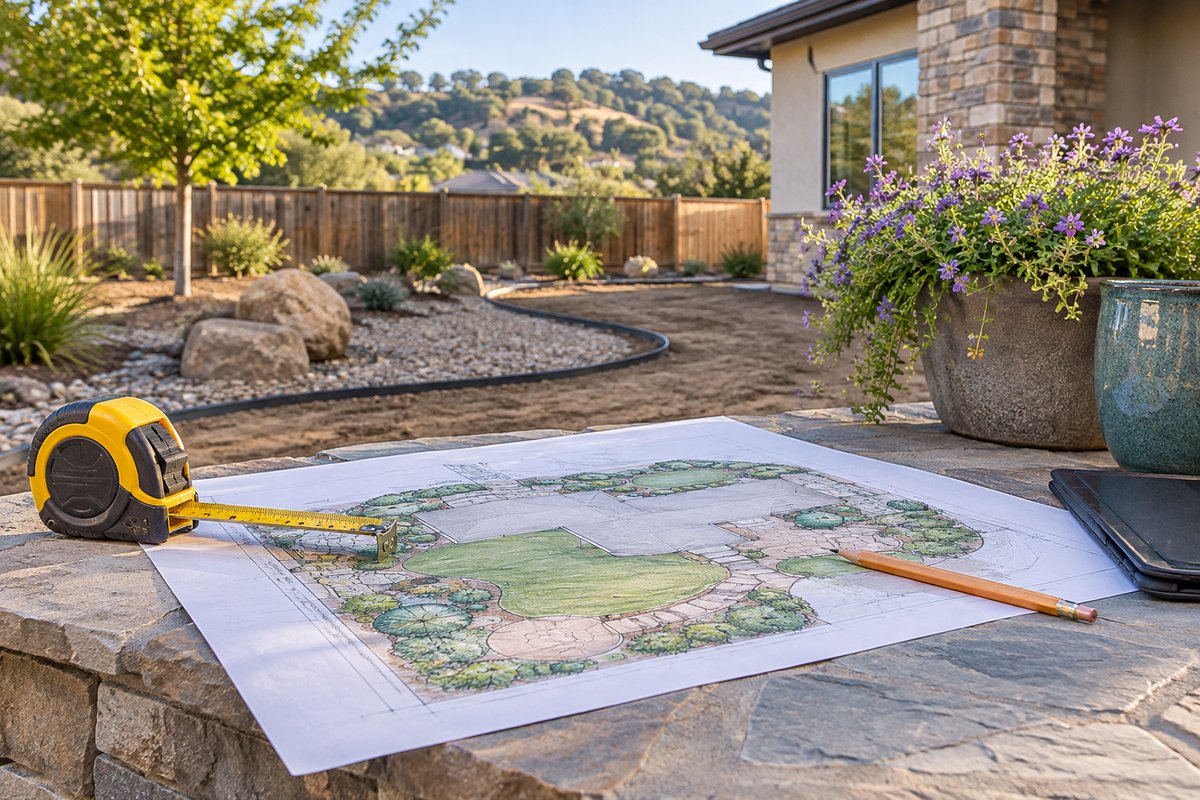
Planning Landscaping Work in Rocklin: The Homeowner’s Guide
Explore every practical step for a successful, lasting landscaping project in Rocklin—permits, soils, HOA, weather, and optimal timing explained.
Start With Rules: Permits and HOA Approval
In Rocklin, landscaping upgrades aren’t just about inspiration—they’re about preparation. Many front and backyard landscaping projects require homeowners to navigate a blend of city permits, building codes, and HOA covenants. Before breaking ground, check the specifics for your lot. The city office provides guidelines on everything from fencing height to drainage modifications; always consult before starting. For changes visible from the street or those that alter irrigation and hardscape, HOA approval is frequently required. Approaching these conversations early helps avoid delays or surprises later in your landscaping journey. When selecting a landscaping contractor, share any neighborhood restrictions so the finished look matches your community’s standards and your personal vision.
Securing the proper approvals minimizes risk and protects your investment long-term. While California Hardscapes works with licensed, bonded and insured contractors who understand Rocklin’s requirements, please note that permit and HOA submissions are handled by the homeowner or their designated professionals. When in doubt on the specifics, consult your HOA board and ask the Rocklin city development office for details on documentation or project scope rules. Clear permissions in advance foster smoother progress from design to completion.
The process may feel detailed, but completing this step up front saves time and stress as construction begins, especially if your plans include patio installations, outdoor kitchens, or slope modifications.
Call Before You Dig: Utility Marking and Site Planning
Few steps are as crucial as marking underground utilities before any digging starts. In Rocklin, as throughout California, calling 811 before breaking ground is a must. Gas, water, electricity and cable lines crisscross neighborhoods and can sit surprisingly close to the surface, particularly in front yards and easements. Failing to locate these lines is not only dangerous but may result in costly outages or repairs, disrupting your landscaping schedule and home life.
Engage this process even for what seem like ‘small’ projects—planting large trees, installing irrigation systems, or introducing boulders and rock features. Professional marking eliminates guesswork for you and your contractor. Utility markings remain visible for several weeks but should be refreshed for longer, staged projects. Prioritize safety and compliance: it’s non-negotiable for every homeowner considering changes to yards, slopes, or hardscapes. For a list of local power providers and relevant information for Rocklin, review the CPUC’s Registered Electric Service Providers.
Site planning goes hand-in-hand with utility marking. Smart design places deep-rooted plantings and patios away from critical lines, preventing issues as trees mature and new systems settle in. Early effort is rewarded with fewer disruptions and a landscape that grows right where you want it—rooted in safety.
Clay and Granite Soils: The Foundation of Every Yard
Soil isn’t just what you plant in—it determines how well your landscaping thrives in Rocklin. Local geology offers a mix of heavy clay and granite-rich soils, a pairing that brings both stability and specific challenges. Clay soils retain water and can lead to drainage problems, especially after winter rains, while granite soils drain quickly but may lack nutrients. Your landscaping contractor should assess soil type before finalizing any landscape design or major plantings.
For lawns, vegetable beds, and larger shade trees, amending clay soils with compost and carefully engineered fill encourages roots to establish while reducing risk of standing water. Where granite soils dominate, plan for more frequent irrigation and stronger organic mulches to retain vital moisture through Rocklin’s hot, dry summers. Native plants and drought-tolerant landscaping adapt best, requiring less water while thriving in our endemic soils.
These conditions shape decisions on grading, hardscapes, and every planting zone. Thinking through the makeup and drainage performance of your lot saves time—and repeated fixes—later. The best landscapes start below the surface.
Slope and Drainage: Managing Water Smartly
Elevation and water flow matter in Rocklin, where both low and sloping lots are common. Poorly directed drainage can cause flooding in the rainy season and accelerate erosion on hillsides. A successful landscape design analyzes how water will travel across patios, walkways, and planting beds, especially when heavy winter rainfall arrives. For homes on steeper lots or where clay soils resist absorption, engineered drains or dry creek beds often make the difference between a thriving landscape and ongoing repair headaches.
Installations such as French drains, grade correction, and gravel layers can be incorporated beneath boulder and rock gardens to stabilize slopes. Water-wise grading directs runoff away from your home’s foundation, into permeable zones or rain-hardy gardens. For long-term plant health, pay particular attention to how irrigation works with or against slopes.
Successful drainage solutions combine technical know-how with a keen eye for Rocklin’s terrain. A landscape that manages its own runoff responsibly stays vibrant through storms and drought, and prevents neighborhood disputes over water flows.
Adapting to Summer Heat and Winter Rain
Rocklin’s climate delivers dry, sun-baked summers with stretches topping 100°F, followed by cool, wet winters. Choosing the right plant palette and hardscape features is the only path to year-round curb appeal and performance. Fire-wise landscaping—using defensible zones, non-flammable mulches, and native trees and shrubs—addresses both drought and wildfire safety. Front yard landscaping choices in particular may be shaped by local water-use mandates and neighborhood guidelines.
Drought-tolerant gardens don’t sacrifice beauty. Replace thirsty grasses with drought-tolerant landscaping options that celebrate California’s native color and texture. Integrating smart controls and drip irrigation systems keeps foundational plants and beds thriving with minimal water. Consider shade trees planted in strategic locations to shelter patios and play areas from summer sun, while allowing sunlight in colder months after leaves fall.
Check the National Weather Service Rocklin Forecast when scheduling major work or planning sensitive installations. Rainy periods help with soil establishment, but most projects are best completed just before or after the hottest weather for optimal plant health and contractor scheduling.
Timing Your Project for Efficiency and Success
Every successful landscaping project starts with sound scheduling. In Rocklin, the spring and fall offer optimal weather windows—mild temperatures help new plantings establish roots, keep construction safe for workers, and let you enjoy your yard sooner. The extended rainy season, typically spanning late fall through early spring, can complicate grading or concrete work and saturate heavy clay soils. Summer heat, meanwhile, isn’t just hard on people; it challenges new irrigation and planting, stressing even drought-tolerant choices.
Work closely with your landscaping contractor to forecast possible weather interruptions using local resources such as the Rocklin weather forecast. Choosing a sequence—site work, infrastructure, hardscapes, then plantings—ensures each part has time to settle and perform. For areas requiring utility rerouting or lengthy HOA processes, build extra time into your plan. The best landscapes in Rocklin are never rushed; quality, experience, and excellent site preparation take center stage.
When planning for summer use—like patios, lawns, or entertainment zones—break ground early enough for softscapes to root before peak heat arrives. In cooler months, emphasize drainage and hardscape work. Above all, stay flexible and prioritize craftsmanship over speed for a result that endures our climate’s extremes.
Landscaping Options for Rocklin’s Unique Yards
No two Rocklin yards are identical—lot orientation, soil blend, and microclimate all influence what’s possible. For sloped sites, blended dry creek beds and terraced boulder gardens add stability and beauty. Front yard landscaping can combine low-maintenance shrubs with decorative concrete and lighting that complements modern or traditional architecture. In backyards, multi-use patios, built-in seating, and drought-resistant lawns expand entertaining space without raising water bills.
For ongoing savings, upgrade to efficient irrigation systems designed for your layout and microclimate—these preserve plant health and lower maintenance. Consider native wildflowers framed by bold stone features, or create shaded alcoves for resale value and everyday comfort. Demonstrated expertise in both foundation preparation and aesthetic design ensures that your outdoor space feels both purposeful and inviting, even as styles evolve.
Rely on planning, collaboration, and the deep local knowledge of a landscaping contractor versed in Rocklin’s codes, soils, and seasonal needs. The result is a customized landscape, as functional as it is beautiful, aligned with your goals and Rocklin’s unique conditions.
FAQ: Rocklin Landscaping Planning
How important is drainage design for Rocklin yards?
Drainage is essential, especially with local clay soils and seasonal heavy rains. Good drainage prevents flooding, erosion, and long-term foundation or plant health problems, particularly on sloped or compacted lots. Professional advice on grade, French drain design, or dry creek installation is vital—never skip this step.
Can I use native plants and still have an attractive yard?
Absolutely. Native and drought-tolerant plants are more than just practical—they form beautiful, low-maintenance landscapes tailored to Rocklin’s climate. Mixing perennial wildflowers, grasses, and shrubs yields color, seasonal interest, and reduced maintenance effort, especially when paired with rock and hardscape accents.
What is the best time of year to start a landscaping project?
Spring and fall are typically best, as they avoid the peak summer heat and winter saturation. These seasons offer moderate temperatures and weather predictability, improving outcomes for both hardscaping and plant installation. Always check local weather forecasts and build in extra time for complex HOA or permit processes.
Plan With Expertise—Built With Integrity
Every lasting landscape in Rocklin starts with careful planning—understanding permits, soils, weather, and water. For premium builds that combine technical excellence and beauty, work with knowledgeable, licensed, bonded and insured professionals who respect the region’s unique needs. With over three decades in construction, California Hardscapes delivers quality and results that exceed expectations, from the first sketch to the completed walkthrough.
to learn how your Rocklin project can be built with pride and finished with excellence.Planning a project in Rocklin, CA?
Call or text 916-741-0633, or email sales@californiahardscapes.com with your address, a short description and a few photos, and we will arrange a consultation.