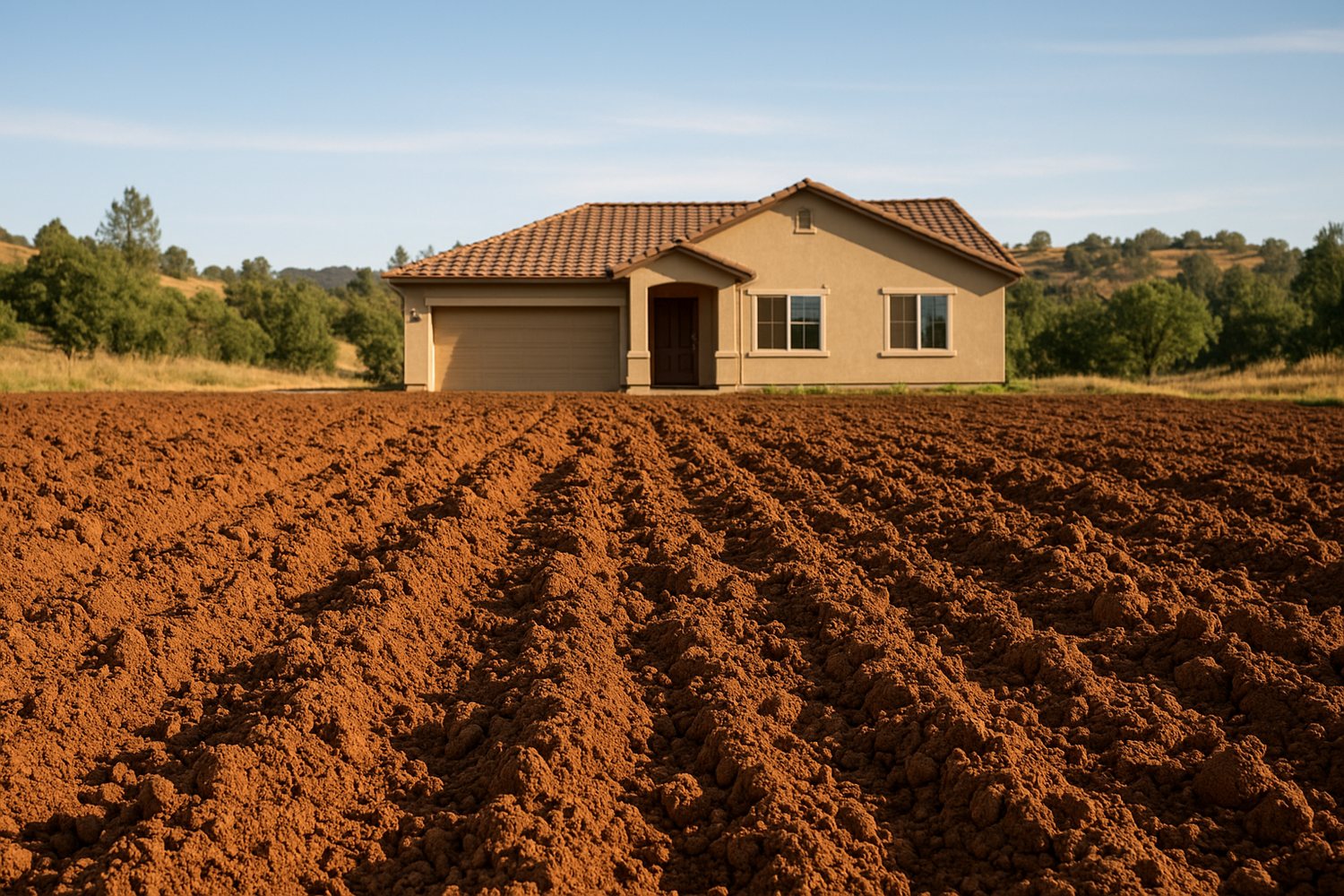
Topsoil vs Planting Mix vs Compost: Making the Right Choice
Not sure which material is best for your yard or garden beds? Learn how topsoil, planting mix, and compost differ—and how to choose what your landscape needs.
Choosing the proper soil amendment can be the difference between an average landscape and one that thrives. We break down topsoil, planting mix, and compost for homeowners across our region.
What Is Topsoil?
Topsoil is the uppermost layer of natural soil, rich in organic matter and minerals. In our local areas—from Rocklin to El Dorado Hills—topsoil is typically screened for debris but may vary in composition. It’s a basic material for filling, leveling, and the first step in establishing planting beds or lawns.
When you order topsoil from a landscape supplier, you’ll usually get a screened, moderately fertile product. For lawns or areas needing bulk coverage over hardscaping projects, this is often the most economical solution. However, native topsoil doesn’t always have the nutrition or structure to support thriving ornamental plants or edibles by itself.
Many yards in Placer and Sacramento counties have compacted or depleted native soils. While topsoil can cover and improve, it’s rarely enough alone for vegetable gardens or high-performance landscapes. Think of topsoil as your structural base, rather than a complete growing medium.
• Great for lawn prep and backfilling • Not always rich enough for veggies or ornamentals • Screened locally but may need amendments
For more about topsoil, planting mediums and soil amendments, see ourTopsoil and soil amendmentspage.
Understanding Planting Mix
Planting mix is a blended soil made specifically for planting shrubs, annuals, perennials or gardens. It typically combines screened topsoil, organic compost, bark, sand, and sometimes soil conditioners. The result is a loose, fertile medium that absorbs water well while supporting root growth.
In our region—with hot summers and heavy clay in many areas—a quality planting mix can save homeowners time and frustration. The extra organic matter and structure allow for better drainage and more reliable plant health. Most local mixes are designed for raised beds, landscape plantings, or new lawns.
If your goal is to establish flower beds or grow vegetables, planting mix lets you bypass some of the limitations of native soils. However, even a premium mix isn’t a substitute for regular feeding and seasonal care as the organic matter breaks down over time.
• Engineered for planting success • Richer and lighter than topsoil • Ideal for beds, gardens, and planters
What Makes Compost Different?
Compost is decomposed organic material—think green waste, leaves, food scraps, and sometimes manure—perfect for enriching depleted soils. Unlike topsoil or planting mix, compost’s main job is to energize the soil ecosystem with active microbes, humus, and natural nutrients.
In Rocklin, Roseville, and Auburn, compost is often used as a soil amendment rather than a planting medium by itself. It can be tilled into the native soil or topdressed around trees and shrubs. High-quality compost can revive heavy clay or sandy soil, improving both moisture retention and drainage as needed.
Be wary about using straight compost to fill raised beds or containers. It usually lacks enough structure for root support and, when fresh, may ‘burn’ tender seedlings. Think of compost as a supplement to improve soil, not as a stand-alone product.
• Best as a soil amendment • Delivers organic nutrients and microbes • Mix with topsoil or planting mix for landscape beds
| Material | Primary Use | Nutrient Content | Structure | Best Application |
|---|---|---|---|---|
| Topsoil | Leveling, base layer, lawns | Moderate | Medium | Prep lawns & fill areas |
| Planting Mix | Garden beds, new plantings | High | Light & loose | Beds & raised gardens |
| Compost | Soil amendment, topdressing | Very high (organic) | Loose, variable | Mix with soil, not solo |
A Side-by-Side Comparison
When planning any major landscape or garden project, it’s crucial to pick the right material—or combination—to match your goals. Topsoil, planting mix, and compost each offer unique strengths, especially on the varied soils we see across Folsom, Granite Bay, and beyond.
A quick comparison can clarify things: bulk topsoil tends to be cheapest and great for foundational layers, planting mix is designed for performance, and compost supercharges other materials. Tailoring them to your project site and plant type means less rework and better results over time.
Use the table below as a snapshot for deciding what matches your property, whether you’re building new beds, touching up lawn areas, or rejuvenating struggling soil.
How to Use Topsoil
Topsoil shines as a filler—over hardscaped features, for leveling ground, or prepping a new lawn. It’s also useful for repairing low spots or backfilling behind new retaining walls. In the Rocklin heat, topping off older lawn areas with a thin layer of topsoil can improve resilience once seeded or sodded.
If your area’s native soil is hard clay, loosen it up and blend topsoil with compost before seeding. Only using topsoil? Core aerate beforehand if you’re renovating established lawn, to encourage movement of nutrients and air to the roots.
Remember, topsoil alone is rarely enough for vegetables or landscape plants in Placer and Sacramento counties. Consider it your main layer, but supplement it according to the specific needs and outcomes you want.
• Good for broad coverage and leveling • Pair with amendments for best plant results • Match depth to your landscape’s use
Explore all our available choices on the mainMaterialsoptions overview.
Planting Mix Techniques for the Region
Planting mix is your shortcut for raised beds, planters, and landscape borders. Spread a layer at least 8 to 12 inches deep where you want root crops, ornamentals, or shrubs to flourish. This ensures loose structure and reliable drainage—two keys to success in our local soil conditions.
You can use planting mix instead of native soil for new beds or over old, tired soil after raking clear and loosening the base. For best results, water and mulch after planting to protect roots from hot, dry conditions typical of Roseville and Folsom summers.
Every year or two, add more planting mix or refresh with compost as organic content naturally breaks down. This keeps your beds healthy and ready for seasonal plantings.
• Deep enough for robust root growth • Good for vegetable and flower beds • Top with mulch for moisture retention
Adding Compost for Local Results
Compost is the upgrade ingredient for clay-heavy and nutrient-poor soils. Blend 2–3 inches of compost into the top 6–8 inches of soil in beds or under new turf. For lawns or woody plants, use as a surface topdressing to improve soil activity without tilling.
In our region, composting before planting—especially in spots prone to hardpan—jump-starts drainage and soil life, making a real difference for root crops, fruit trees, and perennials. Use caution: too much compost, especially if fresh, may heat up or be overly rich for seedlings.
Aim for compost that is fully cured and screened, sourced from reputable suppliers. This ensures consistency and the right balance of nutrients to build soil health sustainably.
• Mix into soil—don’t use solo for planting • Improves water management • Regularly refresh beds with a thin layer
Which Material Is Right for Your Project?
Begin by considering what you want to accomplish. If you’re prepping a new lawn or need to cover large areas after outdoors construction, start with topsoil. For garden beds, vegetables, or ornamentals, lean towards planting mix and blend in compost for added nutrition.
If you’re unsure, soil tests can reveal whether you need more organic matter, improved structure, or simply more depth. No single solution fits every yard—even next-door neighbors may have surprisingly different soil types. When in doubt, use compost as a soil builder alongside other materials.
Choosing the right blend saves time and effort and maximizes success for your landscape investment—especially through our dry summers and wet winters.
• Assess your soil—test if possible • Match material to project: topsoil, planting mix, compost, or a mix • Refresh amendments yearly for best results
Ready for project-specific guidance?Request a consultationwith our team.
Planning a materials project?
Call or text 916-741-0633, or email sales@californiahardscapes.com with your address, a short description and a few photos, and we will arrange a consultation.